Every Batch Matches The Sample You Approved
We keep your dry dog food and dry cat food production consistent with your approved sample and product specification. Checks run across raw materials, formula records, moisture, kibble quality, coating, packaging, testing, and batch traceability, so what ships is what you signed off on.
Quality Risks We Help You Control
Dry pet food problems usually trace back to formula deviation, moisture fluctuation, kibble inconsistency, uneven coating, packaging defects, or incomplete batch records. Our checks focus on the key risks that affect your product stability before shipment.
Sample-To-Bulk Consistency
Production is checked against your approved sample, formula record, and product specification to reduce differences in appearance, aroma, kibble size, and nutrition targets.
Moisture & Shelf-Life Stability
Moisture level, drying effect, storage condition, and package sealing are checked to reduce caking, mold risk, off-odor, and shelf-life instability.
Kibble Size, Shape & Hardness
Kibble dimensions, shape, breakage rate, and hardness are monitored to support a stable feeding experience across dry dog and cat food.
Coating Uniformity & Palatability
Oil and flavor coating are checked for even distribution, helping keep aroma consistency and palatability stable across batches.
Packaging Weight & Sealing
Bag weight, sealing quality, label information, and packaging appearance are inspected to reduce short weight, leakage, broken bags, and packing errors.
Batch Traceability After Shipment
Batch numbers, production records, inspection records, and retained samples are managed so feedback can be traced when it needs review.
See The QC Records Behind The Sample You Approved
Before a single bag ships, you can review the inspection records, retained samples, and batch documents tied to your formula. Ask for the QC paperwork up front, or send your spec and let us quote against the exact checks your market needs.
QC Process From Raw Material To Shipment
Quality control is built into each production stage of your dry dog food and dry cat food, from incoming materials to finished shipment. Every batch is checked against your approved formula, product specification, and order requirements before release.
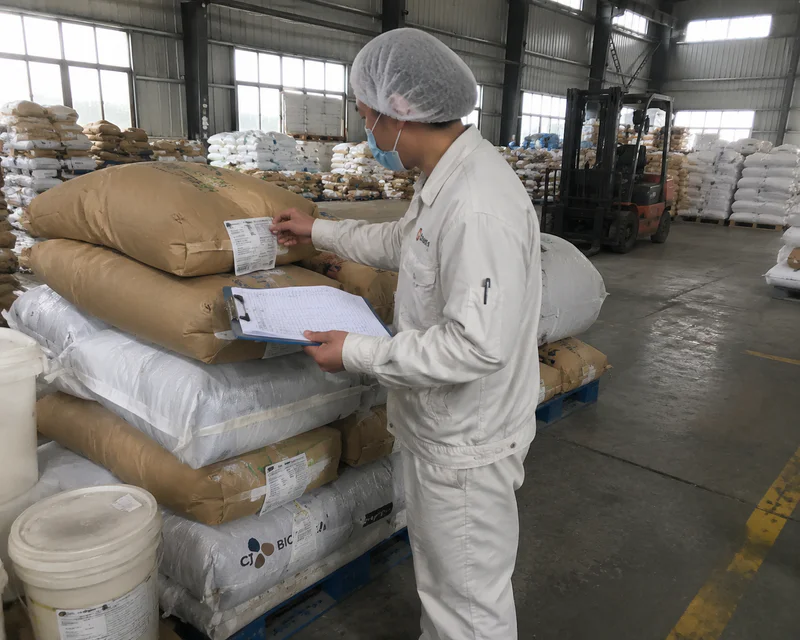
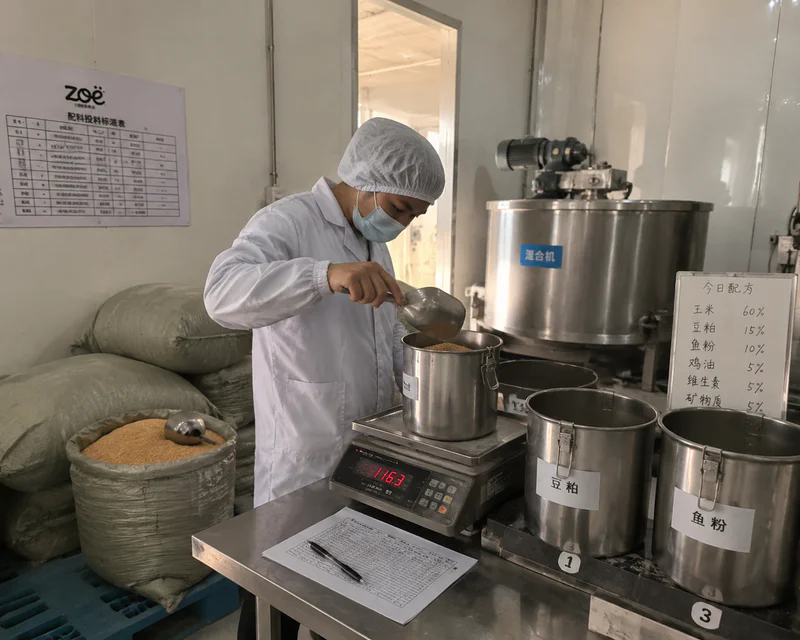
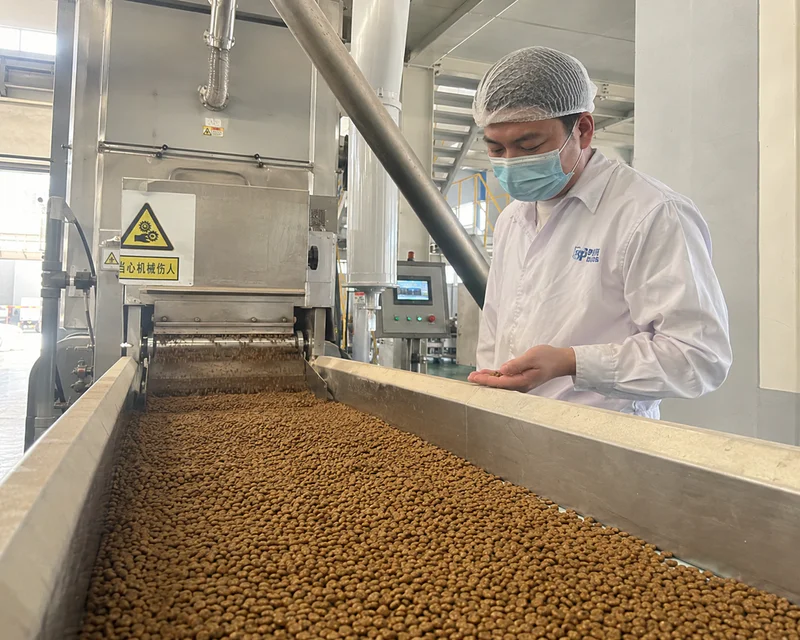
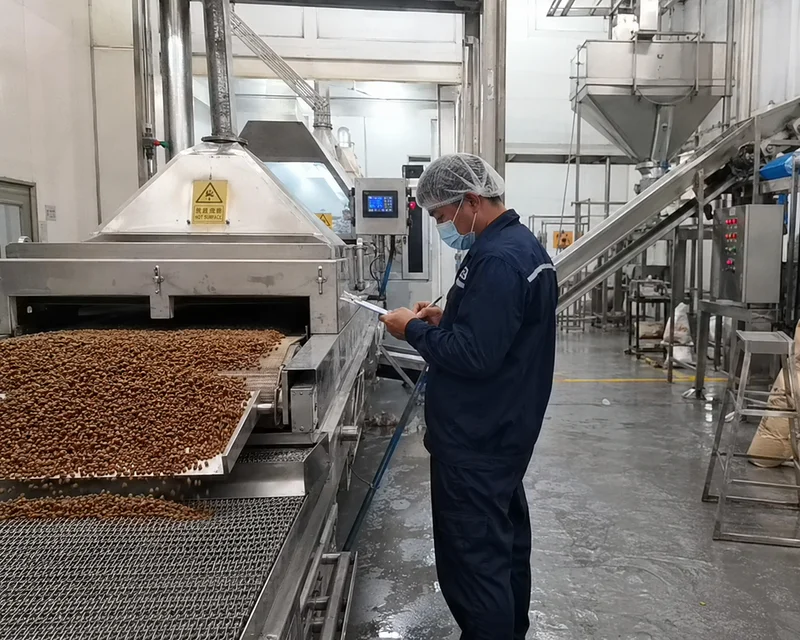
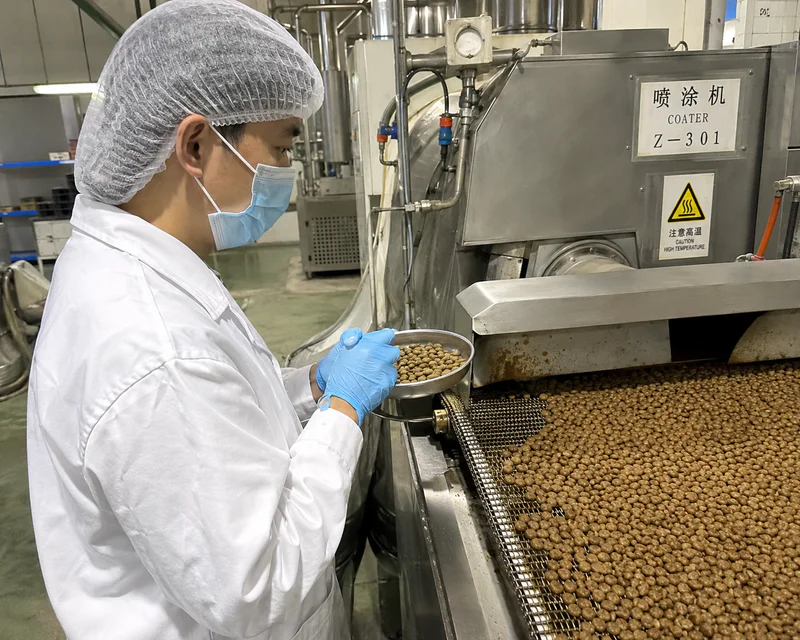
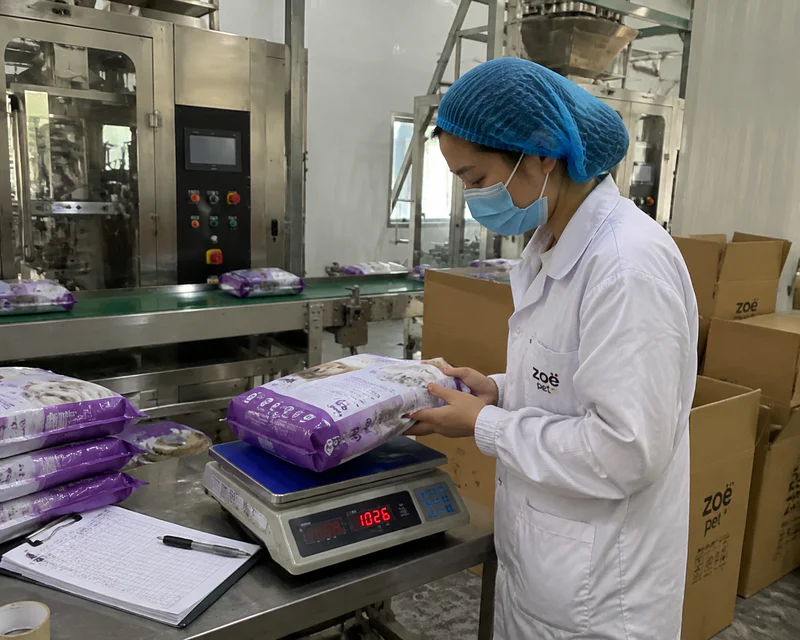
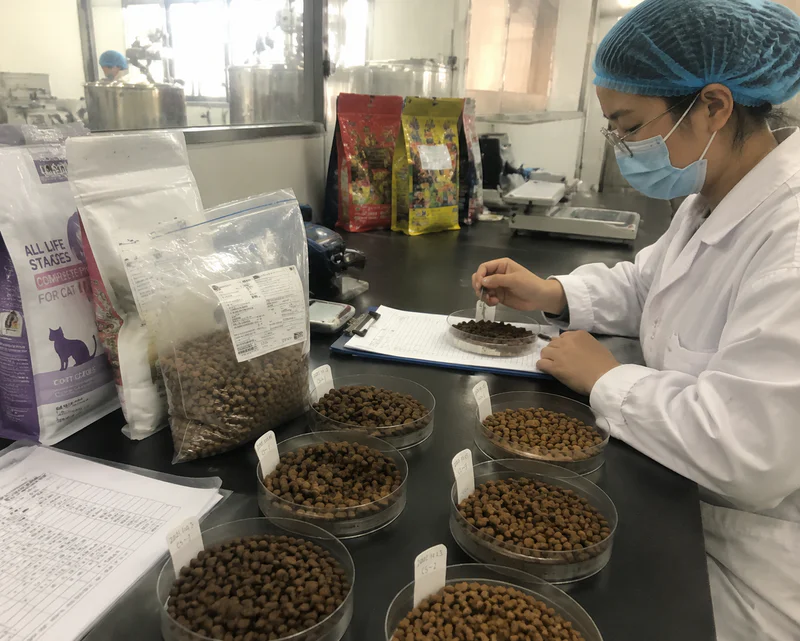
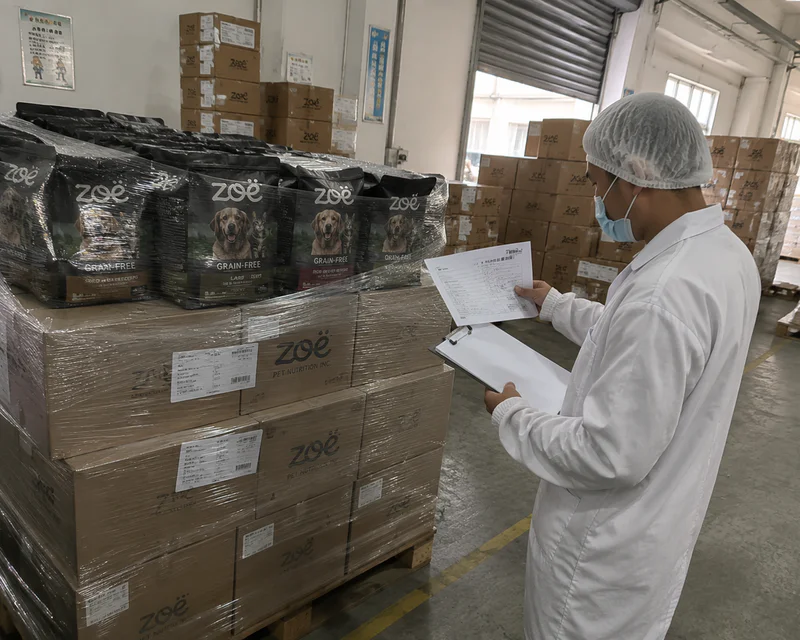
Swipe the image or tap a step below to switch.
You Approve The Sample, We Hold The Line On Every Batch
From raw materials to the final sealed bag, each step is checked against your formula, specification, and order requirements. Ask for the inspection records before you commit, or send your spec and get a quote built around the exact checks your market expects.
Key Quality Checks For Dry Pet Food
Dry dog food and dry cat food quality depends on stable raw materials, accurate formula execution, controlled moisture, consistent kibble, even coating, secure packaging, and complete batch records. These checks focus on the points that directly affect your product consistency, shelf life, feeding experience, and shipment approval.
| Quality Check | What We Check | What It Helps You Control |
|---|---|---|
| Raw Material Inspection | Ingredient appearance, odor, batch number, supplier information, storage condition, and required documents before production. | Helps reduce raw material fluctuation and quality risk from the very start of production. |
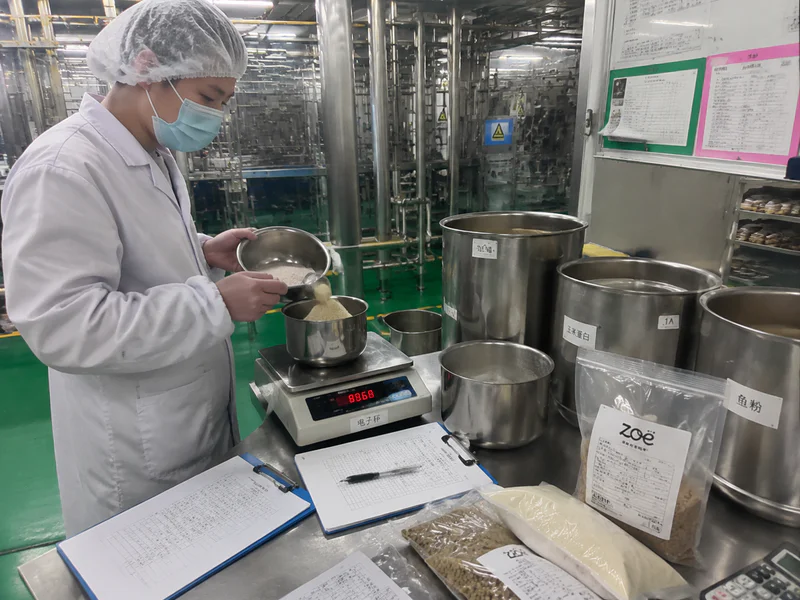
| Formula Consistency | Approved formula record, weighing accuracy, dosing sequence, and mixing control for each batch. | Helps keep bulk production aligned with your approved sample and product specification. |
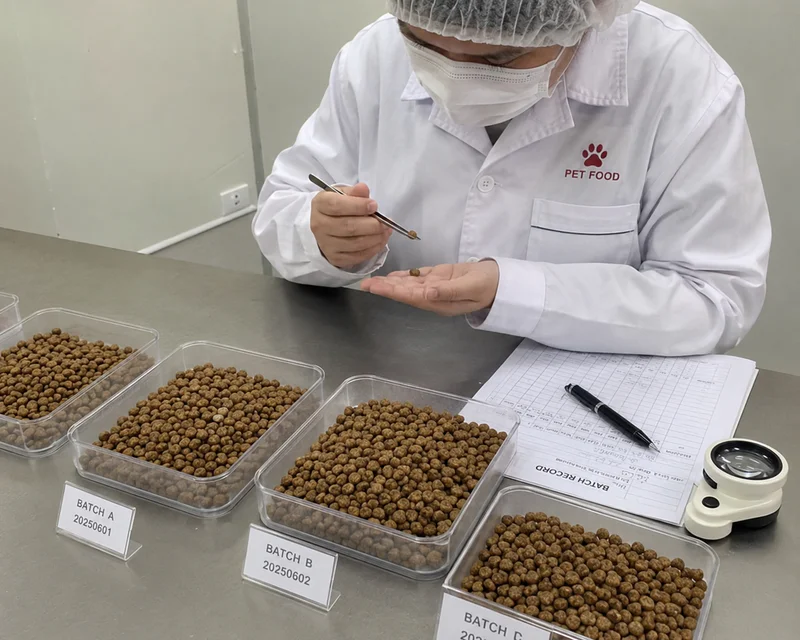
| Kibble Size, Shape & Breakage | Kibble diameter, shape, expansion, visual consistency, fines, and broken pieces during production. | Helps maintain stable product appearance and feeding suitability for dogs and cats. |
| Kibble Hardness & Texture | Kibble firmness, chewing suitability, and texture stability according to product positioning. | Helps reduce kibble being too hard, too soft, too brittle, or unsuitable for the target pet size. |
| Moisture Control | Drying effect, final moisture level, cooling condition, and storage condition before packing. | Helps reduce caking, mold risk, off-odor, and shelf-life instability. |
| Coating Uniformity | Oil, fat, and flavor coating amount, surface coverage, aroma consistency, and batch appearance. | Helps keep palatability stable and reduce aroma differences between batches. |
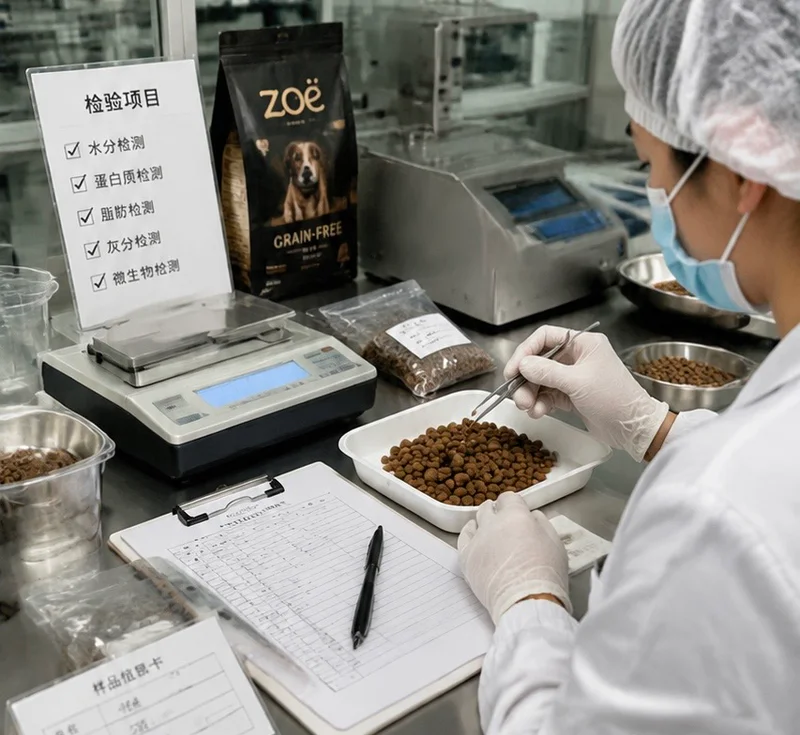
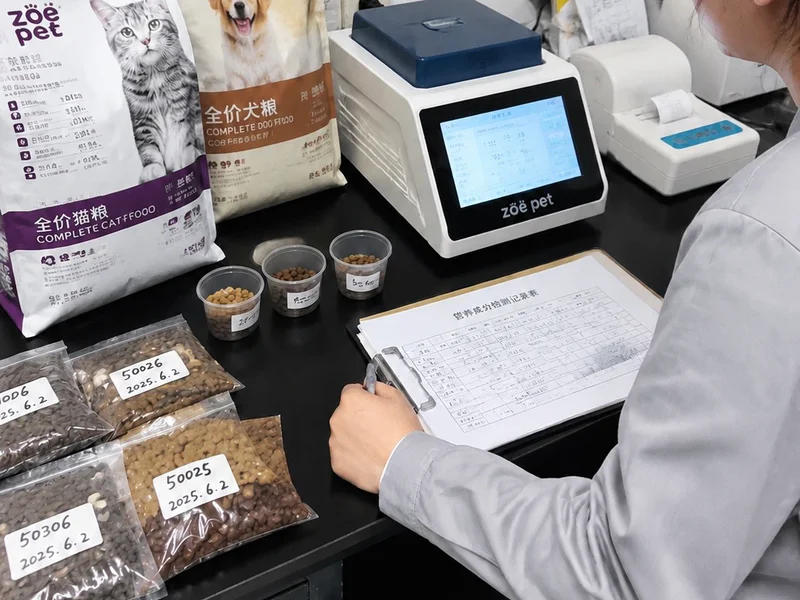
| Nutrition Testing | Key indicators such as protein, fat, fiber, ash, moisture, and other agreed specification items. | Helps confirm finished products match your required specification and label information. |
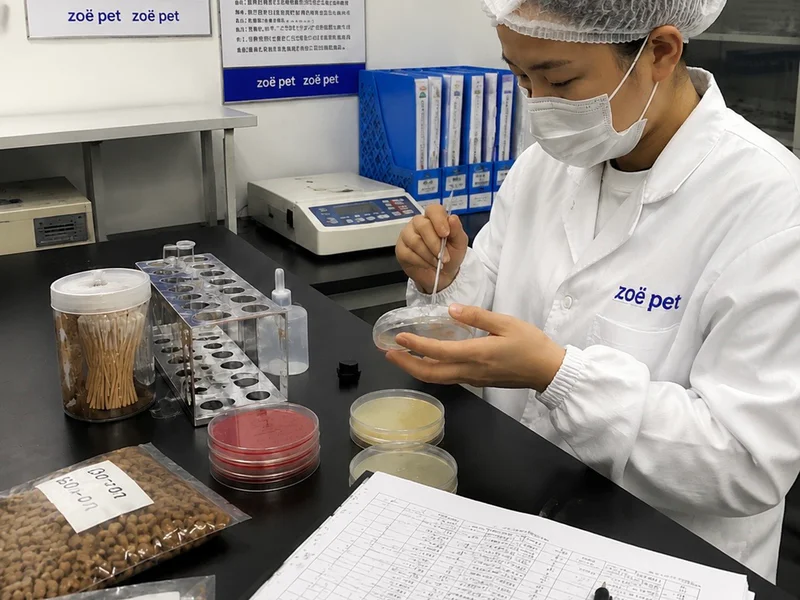
| Microbiological Testing | Microbiological items tested according to product type, order requirement, and destination market. | Helps reduce food safety risk and supports quality document preparation when required. |
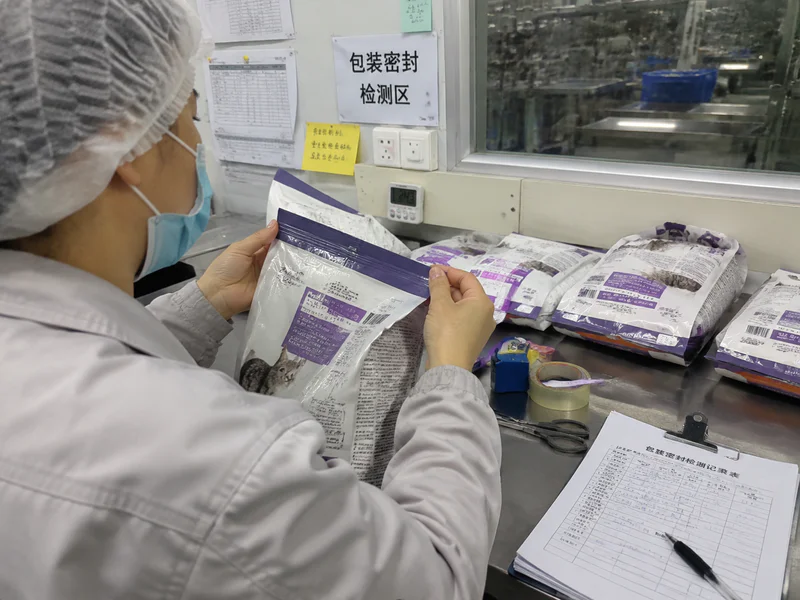
| Packaging Inspection | Bag weight, sealing quality, label information, date code, batch code, appearance, and carton condition. | Helps reduce short weight, leakage, broken bags, sealing defects, and packing errors. |
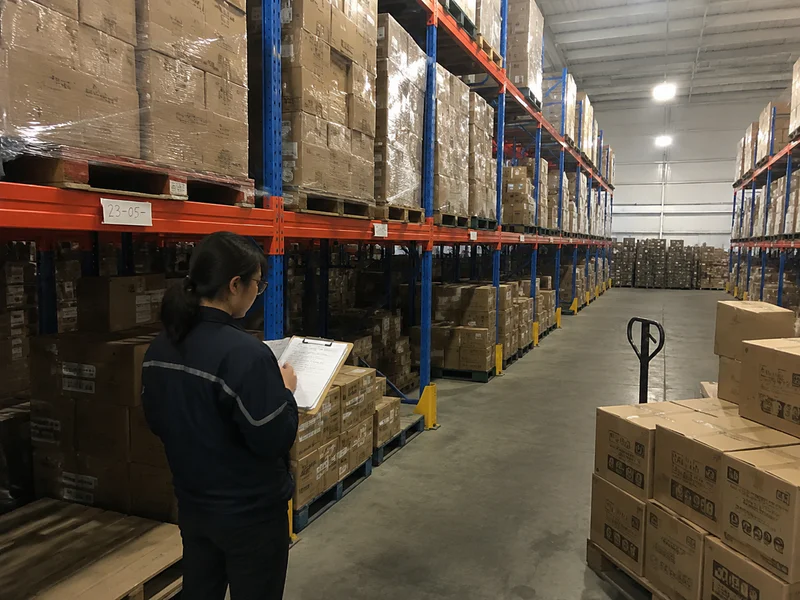
| Batch Traceability | Production batch number, raw material records, inspection records, retained samples, and finished goods records. | Helps support traceability when quality feedback or shipment review is needed. |
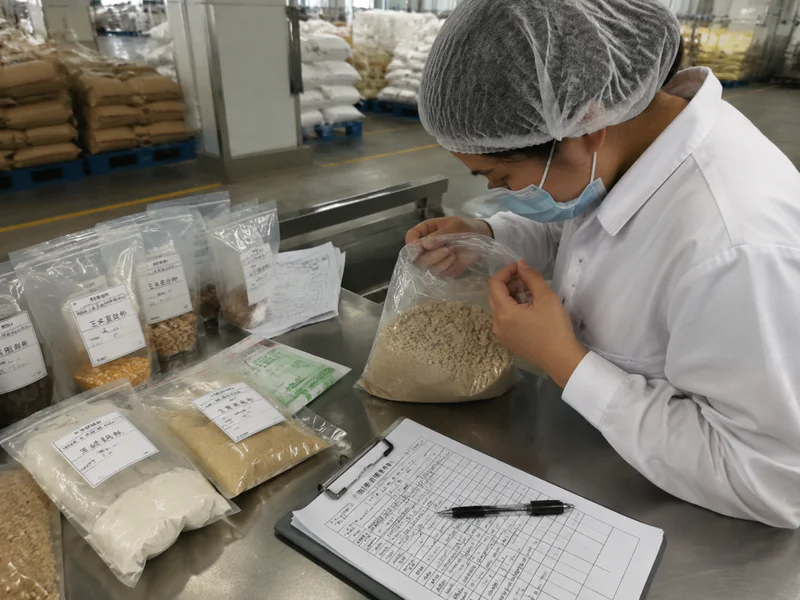
Raw Material Inspection
What We Check
Ingredient appearance, odor, batch number, supplier information, storage condition, and required documents before production.
What It Helps You Control
Helps reduce raw material fluctuation and quality risk from the very start of production.
Formula Consistency
What We Check
Approved formula record, weighing accuracy, dosing sequence, and mixing control for each batch.
What It Helps You Control
Helps keep bulk production aligned with your approved sample and product specification.
Kibble Size, Shape & Breakage
What We Check
Kibble diameter, shape, expansion, visual consistency, fines, and broken pieces during production.
What It Helps You Control
Helps maintain stable product appearance and feeding suitability for dogs and cats.
Kibble Hardness & Texture
What We Check
Kibble firmness, chewing suitability, and texture stability according to product positioning.
What It Helps You Control
Helps reduce kibble being too hard, too soft, too brittle, or unsuitable for the target pet size.
Moisture Control
What We Check
Drying effect, final moisture level, cooling condition, and storage condition before packing.
What It Helps You Control
Helps reduce caking, mold risk, off-odor, and shelf-life instability.
Coating Uniformity
What We Check
Oil, fat, and flavor coating amount, surface coverage, aroma consistency, and batch appearance.
What It Helps You Control
Helps keep palatability stable and reduce aroma differences between batches.
Nutrition Testing
What We Check
Key indicators such as protein, fat, fiber, ash, moisture, and other agreed specification items.
What It Helps You Control
Helps confirm finished products match your required specification and label information.
Microbiological Testing
What We Check
Microbiological items tested according to product type, order requirement, and destination market.
What It Helps You Control
Helps reduce food safety risk and supports quality document preparation when required.
Packaging Inspection
What We Check
Bag weight, sealing quality, label information, date code, batch code, appearance, and carton condition.
What It Helps You Control
Helps reduce short weight, leakage, broken bags, sealing defects, and packing errors.
Batch Traceability
What We Check
Production batch number, raw material records, inspection records, retained samples, and finished goods records.
What It Helps You Control
Helps support traceability when quality feedback or shipment review is needed.
Get The Inspection Records Before You Place The Order
Every batch is checked against your formula, specification, and order requirements, then backed by inspection records and retained samples. Ask for the QC documents up front, or send your spec and get a quote built around the exact checks your market needs.
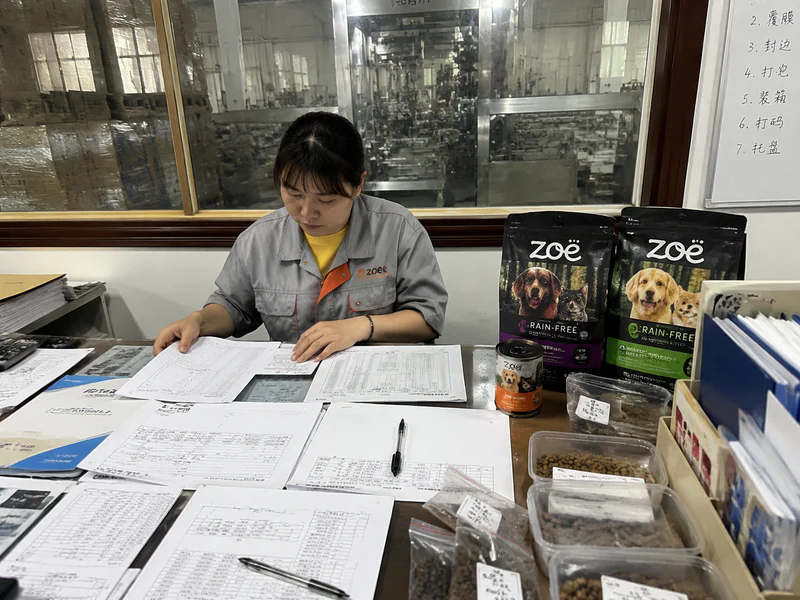
Dry Dog Food vs Dry Cat Food QC Focus
Your dry dog food and dry cat food run under the same quality control system, but we adjust the inspection focus to the product formula, kibble design, target pet size, packaging format, and specification.
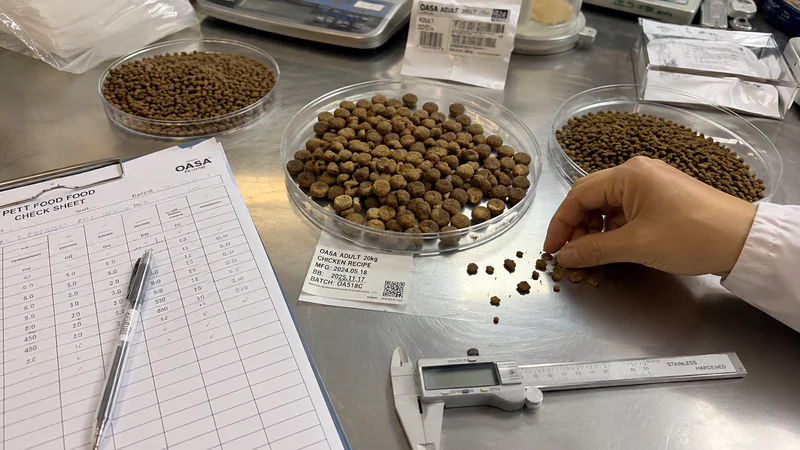 Dry Dog Food
QC Focus
Dog food often needs stable kibble size, suitable hardness, controlled breakage, formula consistency, and stronger packaging for larger bag sizes.
Key Checks
- Kibble size for small, medium, or large dogs
- Kibble hardness and texture
- Breakage and fines control
- Formula and nutrition consistency
- Digestive-related specification checks
- Bag weight accuracy and sealing strength
- Carton and pallet condition
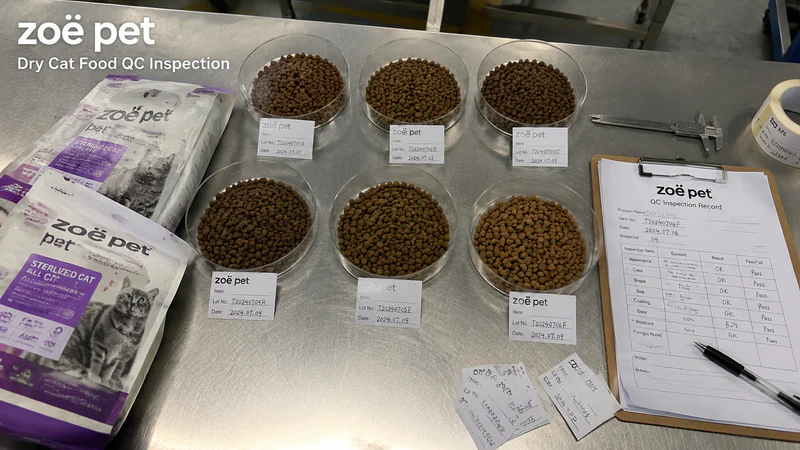 Dry Cat Food
QC Focus
Cat food usually needs smaller kibble, stable aroma, even coating, good surface appearance, and secure sealing for retail-size packaging.
Key Checks
- Small kibble size and shape
- Coating uniformity
- Aroma consistency and palatability checks
- Nutrition indicators per the formula
- Moisture control and oil surface condition
- Small bag sealing
- Date code and batch code accuracy
Whatever You Sell, We Check It Against What You Approved
Dog food or cat food, entry tier or premium, every order runs through the same checks tied to your formula, specification, and order requirements. Ask for the QC documents before you commit, or send your spec and get a quote built around your market.
Testing & Quality Documents
Quality documents can be prepared around your product type, order requirements, testing items, and destination market. Each one supports specification review, shipment inspection, quality communication, or batch traceability.
Certificate Of Analysis
If RequiredPrepared from your confirmed testing items, such as nutrition indicators, moisture, or other agreed quality parameters.
Product Specification
Key product information: product type, formula direction, nutrition targets, kibble features, packaging format, and shelf life.
Ingredient List
Prepared from your confirmed formula and product requirements for label review or product registration support.
Nutrition Information
Key nutritional values such as protein, fat, fiber, ash, moisture, and other agreed specification items.
Microbiological Test
If RequiredMicrobiological testing can be arranged around your product type, order requirement, and destination market needs.
Batch Record
Production batch information, formula record, production date, and related quality control records for traceability.
Finished Product Inspection Record
Covers appearance, kibble condition, moisture review, packaging condition, weight check, date code, and batch code.
Packing List Check
Reviews packing quantity, bag size, carton information, pallet details, and shipment arrangement before loading.
Loading Photos
If AvailablePhotos can be provided when required to show finished goods, carton condition, pallet loading, and container loading status.
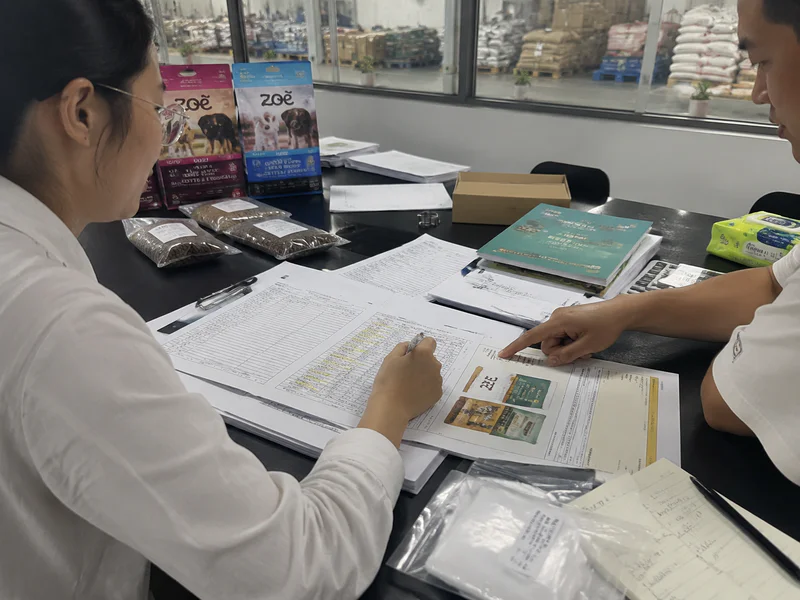
Confirm Your Document Requirements Before You Ship
Document requirements vary by product type, order details, and destination market. Confirm the final list with your local regulatory advisor or customs broker before shipment. Tell us your market and we will prepare the documents we can support for your order.
See The Checks Behind Each Batch
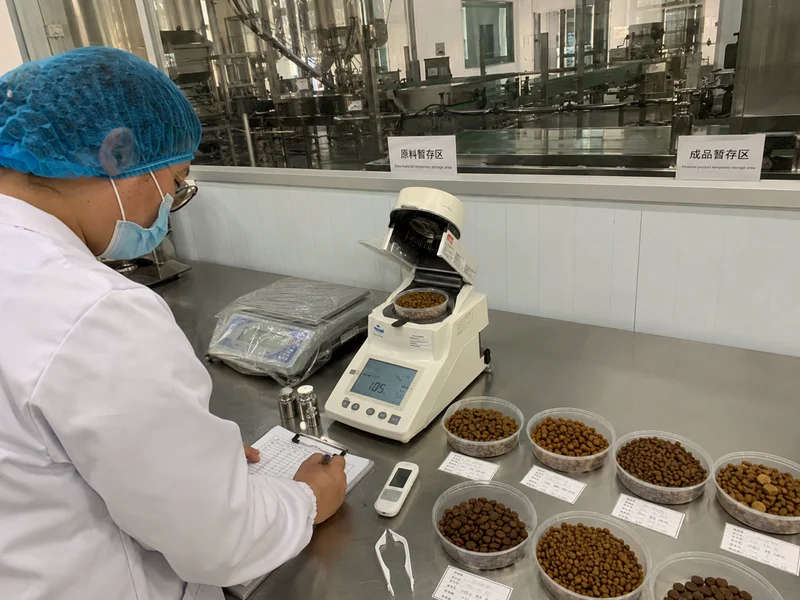
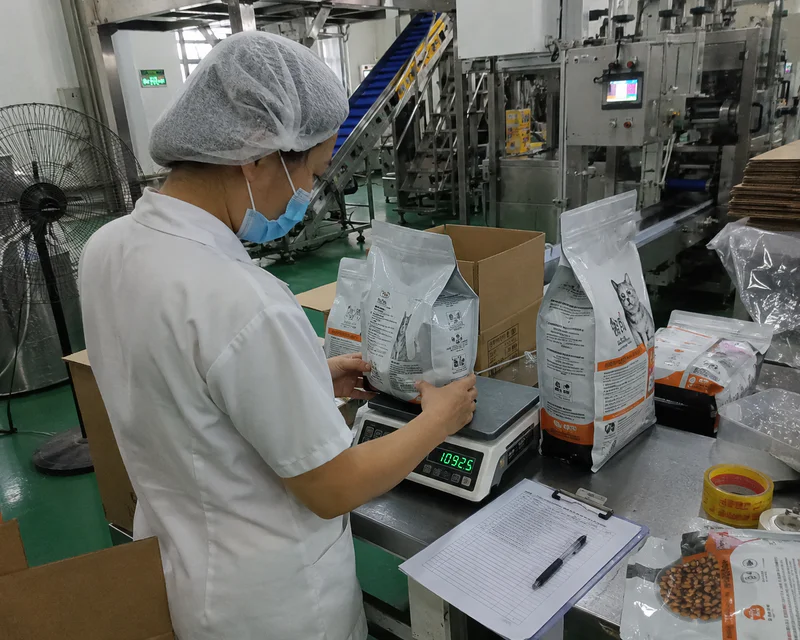
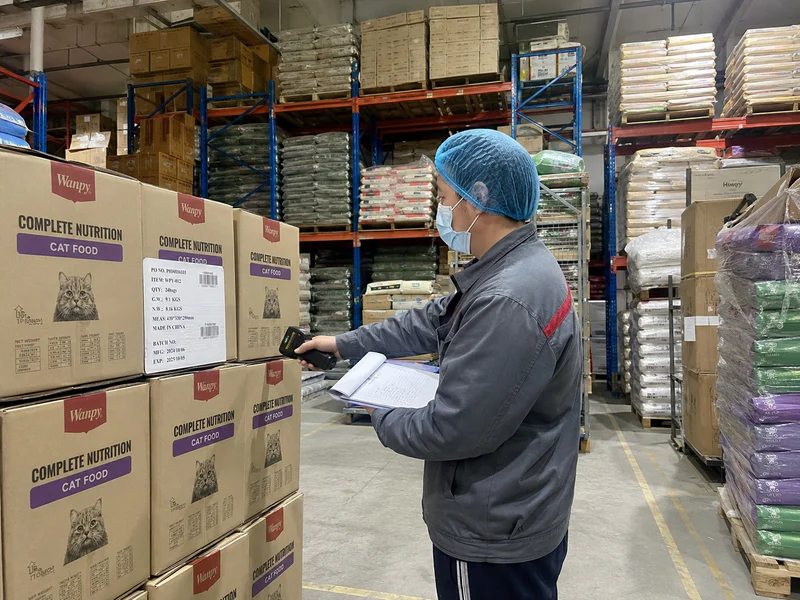
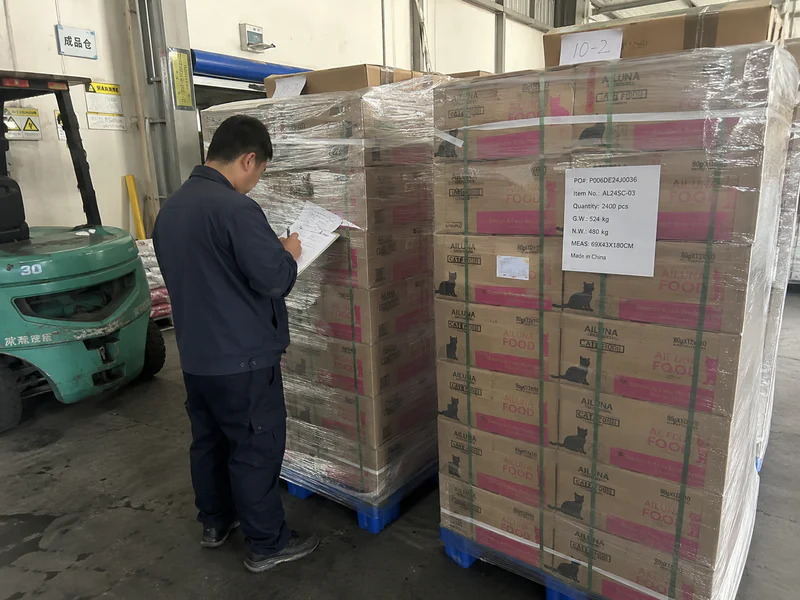
Every photo here shows one real check on the line, from raw material to loading. This is how we keep your dry dog food and dry cat food consistent with the sample you approved.
FAQ About Dry Pet Food Quality Control
Common questions about how we keep your dry dog food and dry cat food consistent, from incoming materials to shipment documents.
01
How do you control quality before production starts?
Incoming materials are checked for appearance, odor, batch information, storage condition, and required documents. The approved formula, weighing plan, and production requirements are reviewed before any ingredient is released for use.
02
How do you reduce differences between the approved sample and bulk production?
Bulk production follows your confirmed formula record, ingredient weighing requirements, mixing process, kibble specification, coating plan, and packaging standard. In-process checks compare production results against the approved sample and product specification.
03
How do you control moisture in dry dog food and dry cat food?
Moisture is managed through drying, cooling, finished product moisture checks, storage condition review, and packaging sealing inspection. These checks help reduce caking, mold risk, off-odor, and shelf-life instability.
04
Can you check kibble size, shape, and hardness?
Yes. Size, shape, expansion, breakage, fines, and hardness can be checked against your specification. This matters most for small-breed dog food, large-breed dog food, kitten food, adult cat food, and products with special kibble designs.
05
How do you check coating uniformity?
Oil, fat, and flavor coating are checked for distribution, surface appearance, aroma consistency, and coating stability. Stable coating reduces batch-to-batch aroma differences and supports palatability-related performance.
06
What nutrition indicators can be tested?
Common indicators include protein, fat, fiber, ash, moisture, and other agreed specification items. The testing items should be confirmed against your product formula, label requirements, order requirements, and destination market needs.
07
Do you arrange microbiological testing?
Microbiological testing can be arranged when required. The scope depends on product type, agreed quality requirements, and destination market. Testing can be handled through internal quality control or qualified third-party laboratories when applicable.
08
How do you inspect packaging before shipment?
Packaging inspection can include bag weight, sealing quality, appearance, label information, date code, batch code, carton condition, and pallet condition. These checks reduce short weight, leakage, broken bags, sealing defects, and packing errors.
09
What quality documents can you provide?
Available documents may include Certificate of Analysis, Product Specification, Ingredient List, Nutrition Information, Microbiological Test Report, Batch Record, Finished Product Inspection Record, Packing List Check, and loading photos when available. Final requirements should be confirmed before production or shipment.
10
Do you keep batch records for traceability?
Yes. Batch numbers, raw material records, formula records, production records, inspection records, packaging records, and retained samples can be managed for traceability. These records support review when quality feedback needs checking after shipment.
Get The QC Records For Your Order
Tell us your product type and target market. Arlo gets back to you within 30 minutes with the inspection records and quality documents we can support for your order.

Hi, I'm Arlo.
Your Quality Control Contact
Tell me what you need to verify and I'll send the QC records we can prepare for your product type, no bots, no junior reps.
Inspection records, product specification, nutrition information, batch records, loading photos. Share your market and we'll confirm what's available for your order.
Message Arlo
Reply Time
Within 30 Minutes
Send Your Request
Fields marked * are required.