Dry cat & dog food · bulk OEM supply
Bulk Dry Pet Food Supply
Plan a bulk dry pet food order with a defined product, bag format, quantity breakdown and delivery scope.
ZoePetSup can discuss dry cat and dog food supply for brands, importers and distributors. Tell us what bulk means for your project so product, packaging and shipment requirements are reviewed together.
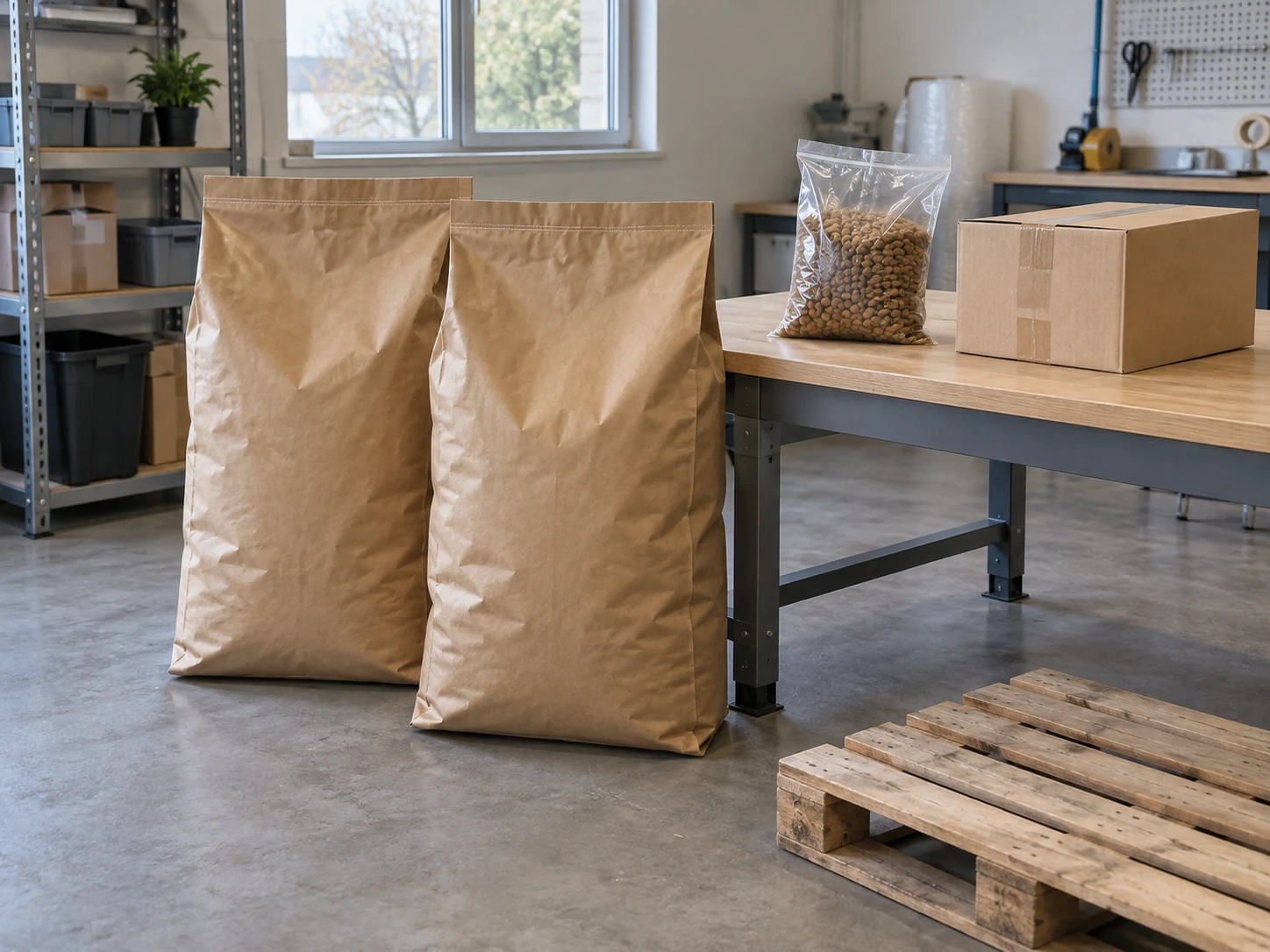
Connect the selected food, bag format, volume and delivery scope.
Your bulk supply decisions
Build your bulk supply brief
Plan your OEM project
Define the bulk supply you need
Specify whether you need a large-bag product, a larger-volume branded order or another supply arrangement for review.
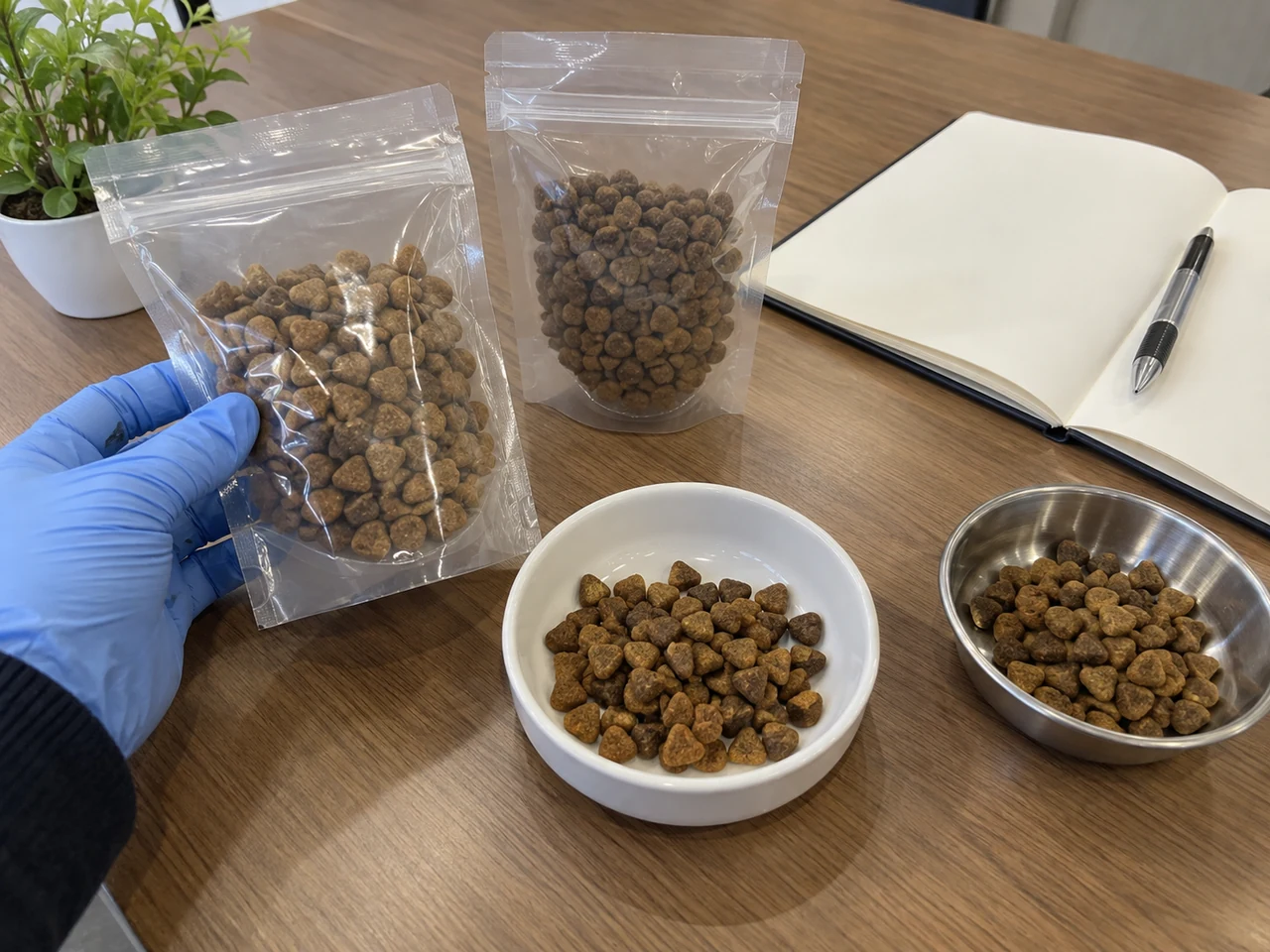
Bulk describes an order or handling requirement, not a complete product specification. Identify the intended cats or dogs, life stage, formula priorities, physical product requirements and how the food will reach the customer.
State whether the project uses branded bags, an agreed plain bag format or a local packing arrangement that needs feasibility review. Do not assume that one generic bulk enquiry defines the packing method or the destination responsibilities.
Keep the food and its packaging scope together. This page concerns a dry-food supply project; any proposed handling, repacking or distribution arrangement is reviewed against the selected product and market.
Plan your OEM project
Choose the product before fixing the volume
Give each product direction its own intended use and quantity line.
The Product and Formula references help start the discussion. Final composition, analysis and physical specifications are confirmed for the selected SKU and its intended market.
A previous product or sample should be identified by reference when used for a repeat enquiry. List any requested changes so they can be reviewed before treating the earlier specification as current.
| Product input | Include in the brief | Review outcome |
|---|---|---|
| Species and life stage | Adult cat, kitten, adult dog or puppy direction as applicable. | A selected product reference and intended-use specification. |
| Formula priorities | Flavour, ingredient requirements and proposed product position. | The finished formula information needed for approval. |
| Physical requirements | Shape, size, texture and relevant handling questions. | An identified sample and agreed acceptance criteria. |
| Volume breakdown | Estimated weight or units for each product and bag size. | A reviewable order mix rather than a single range-wide total. |
Plan your OEM project
Match bag choices to handling and distribution
Describe how the product will be stored, moved and used so the packaging can be reviewed for the actual route.
Dry-food directions include 10–20 kg bulk bag formats. The selected construction, net weight, protection requirements and commercial quantities are confirmed for the proposed product.
Bag format and net weight
Specify the intended size, opening or closure needs and whether the bag is the final sales pack. Confirm the selected physical pack rather than inferring it from a category photo.
Storage and handling
Describe the expected storage and transfer conditions and any pallet or loading requirements. Ask which product and packaging information is needed to assess the arrangement.
Identification and records
Define the product, batch and market information that must accompany the supply. Link bag and document versions to the selected food and order.
DEFINE THE REQUIREMENTS THAT MATTER
Keep product requirements clear at larger volumes.
Review the finished specification, sample and bag as one supply scope.
Plan your OEM project
Keep bulk acceptance tied to the specification
Agree the sample, product information and batch records needed to accept the proposed supply.
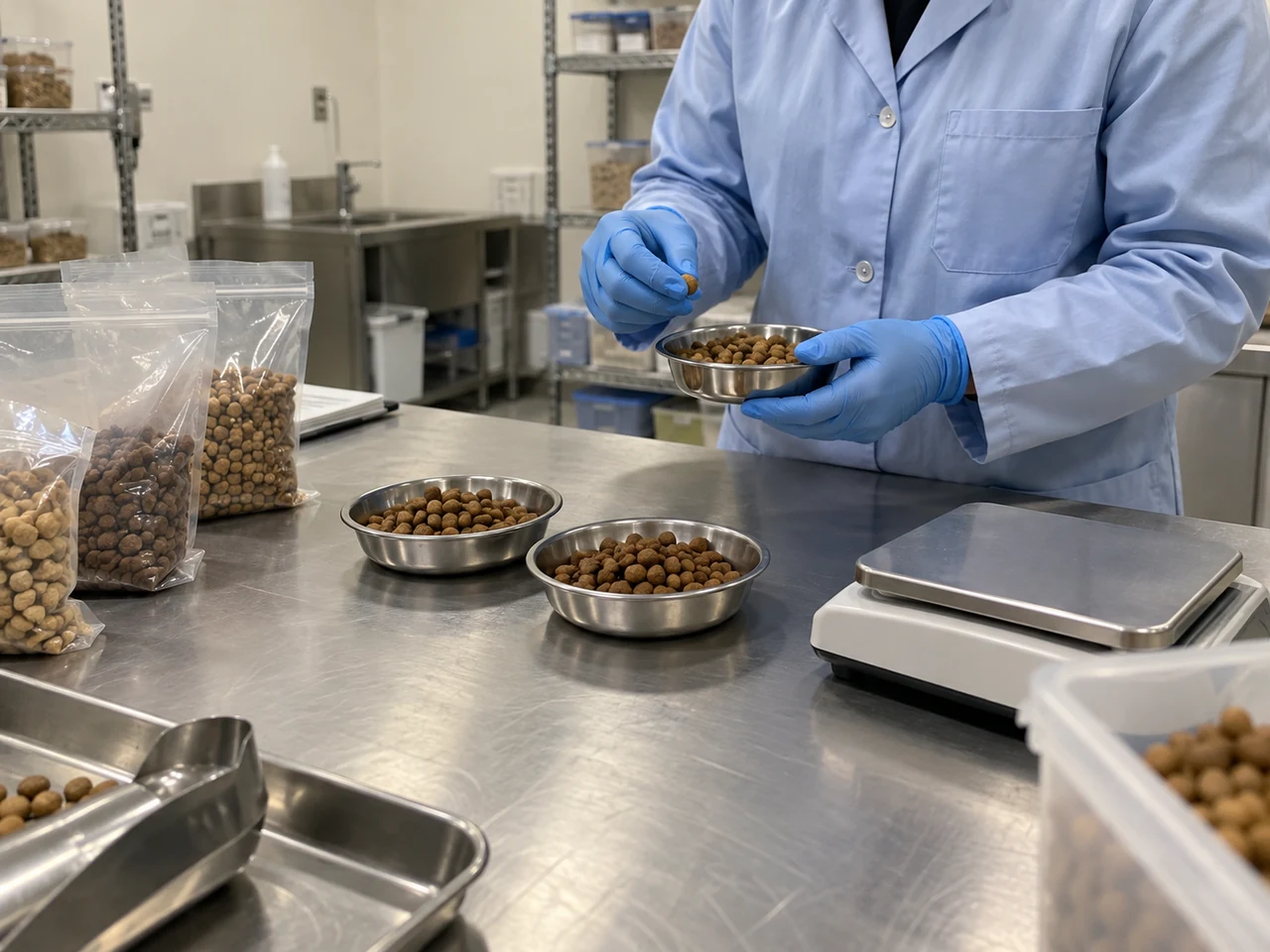
Define which characteristics the physical sample review needs to resolve and which finished-product information your quality team requires. Record the accepted product reference and any requested change.
Quality checkpoints can include raw-material review, mixing, forming, moisture, coating, pack weight, finished testing and retained samples. Discuss the relevant specification, agreed tests and batch traceability records for the order.
Confirm the finished specification and pack together before relying on them for shipment or later repeat orders. A generated product or warehouse scene is an illustration, not a batch inspection record.
Plan your OEM project
Make the quotation and delivery scope comparable
State the basis of the order so quantities, packing and shipment assumptions stay visible.
Shipment coordination can include a commercial invoice, packing list, origin documents, COA, product specification and bill of lading, with other documents considered as required for the market. Confirm the actual set for the order rather than assuming universal market access.
| Commercial input | What to provide | What to confirm |
|---|---|---|
| Quantity | Per-product and per-bag-size estimates with clear units. | Applicable product and packaging minimums. |
| Delivery basis | Destination, delivery expectations and proposed commercial basis. | Included responsibilities and quoted delivery scope. |
| Documents | Required product and shipment information for the market. | Availability and responsibilities for the agreed document set. |
| Repeat supply | Expected reorder pattern and version continuity needs. | Current arrangements for the accepted product and pack. |
Plan your OEM project
Turn the supply brief into an agreed order
Keep product, pack, quantities and documents in one approved scope.
If local repacking or a different supply format is central to the project, describe it at the first enquiry. Its feasibility, handling responsibilities and information requirements need to be reviewed explicitly.
Define the food
Identify species, life stage, formula and physical requirements.
Confirm the format
Review the bag, handling route and product identification needs.
Review the scope
Confirm samples, finished specifications, quantities and quotation assumptions.
Agree the shipment
Confirm the accepted versions, production arrangements and required documents.
READY FOR THE NEXT STEP?
Confirm the approved mix before shipment planning.
Align product versions, quantities, pack details and required documents.
Plan your OEM project
Bulk dry pet food supply questions
Clarify the product and handling scope before discussing the first shipment.
01What does bulk dry pet food supply include?
Define the arrangement you need, including the selected dry food, intended bag format, quantity and distribution route. The project scope and feasibility are reviewed against those inputs.
02Can we discuss both cat and dog products?
Yes. Provide separate species, life-stage, formula and quantity requirements for each proposed product.
03Are 10–20 kg bags a possible direction?
These are bulk bag directions for dry-food projects. Confirm the selected bag construction, net weight and quantity requirements for the actual product.
04Can we request a local repacking arrangement?
Describe the proposed format, destination and handling responsibilities. Feasibility and applicable product, packaging and market requirements need specific review.
05Is there one minimum order for every bulk project?
Product and packaging minimums are confirmed for the selected products, bag formats and quantities. Send a breakdown rather than relying on one combined total.
06Which documents should we request?
Identify the destination and importer requirements. Review the available product, batch and shipment documents for that order and confirm any additional market-specific needs.
Explore product directions
Adult Cat Dry Food OEM & Private Label
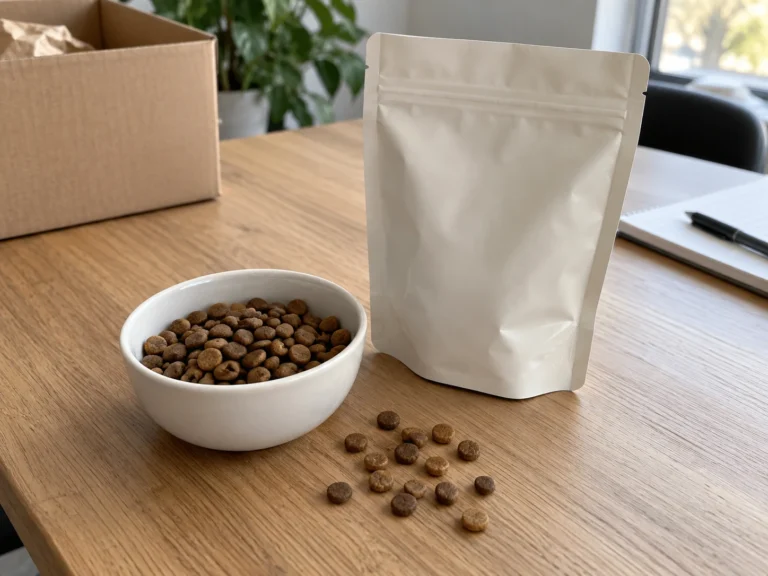
An adult-cat dry food development direction for brand owners and importers, with project-specific formula, kibble, flavour and packaging choices.
Explore this direction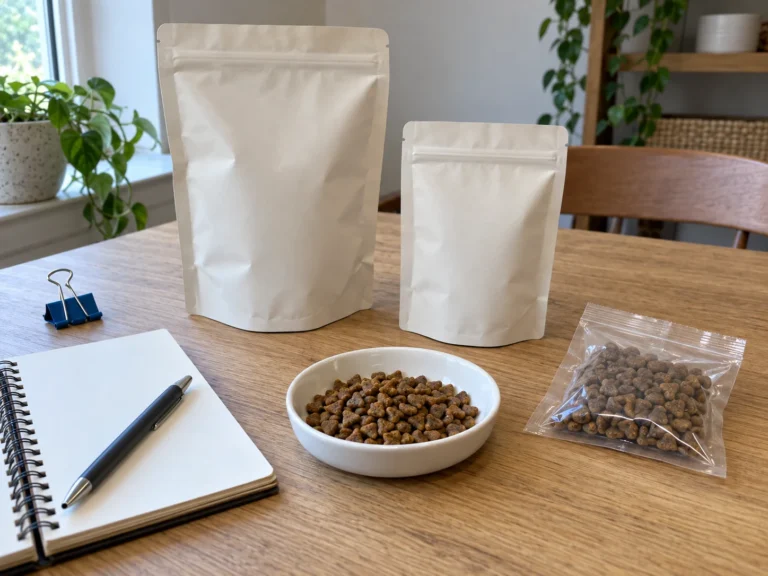
Kitten Dry Food OEM & Private Label
A kitten dry food development direction for brands planning a growth-stage SKU, with product specification, kibble and packaging reviewed for the project.
Explore this direction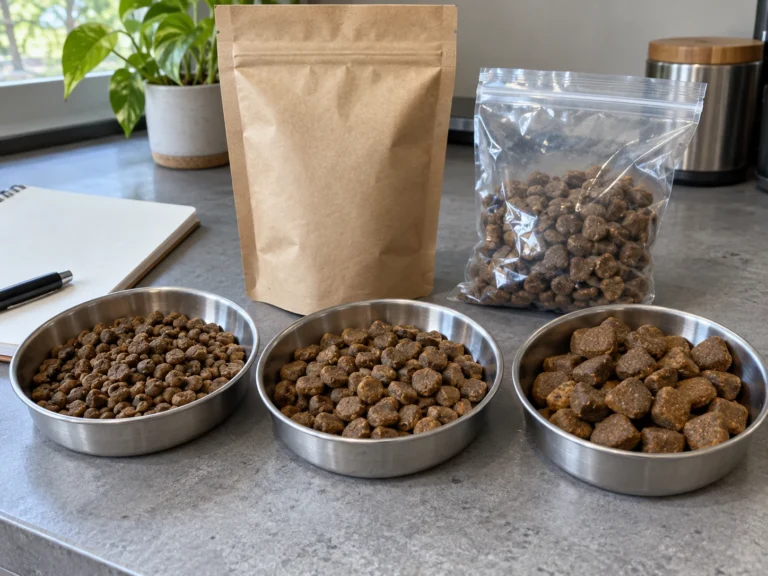
Adult Dog Dry Food OEM & Private Label
An adult dog dry food development direction for brands choosing breed-size kibble, flavour, positioning and packaging for a defined sales channel.
Explore this direction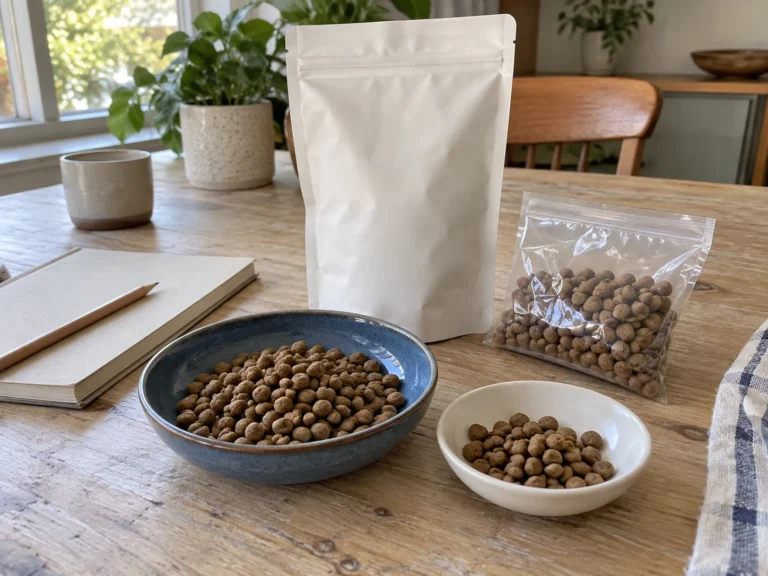
Puppy Dry Food OEM & Private Label
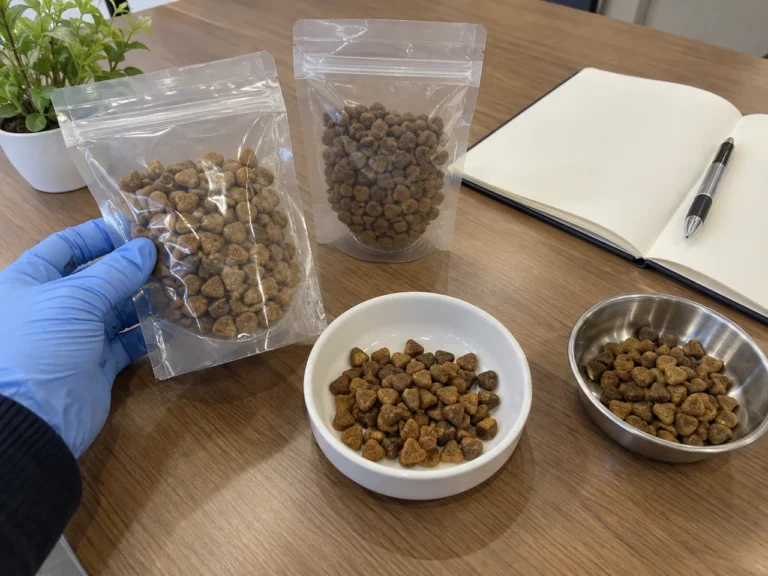
A puppy dry food development direction with life-stage, expected breed size, sample review and packaging defined for your private-label project.
Explore this directionRelated formula directions
Adult Cat Dry Food Formula
A qualitative adult-cat formula direction for structuring your development brief.
Explore this directionKitten Dry Food Formula
A qualitative kitten formula reference for preparing a distinct growth-stage product brief.
Explore this directionAdult Dog Dry Food Formula
A qualitative adult dog formula reference for discussing the product brief, ingredient preferences, sample requirements and final specification.
Explore this directionPuppy Dry Food Formula
A qualitative puppy formula reference for discussing the product brief, ingredient preferences, sample requirements and final specification.
Explore this directionContinue planning your project
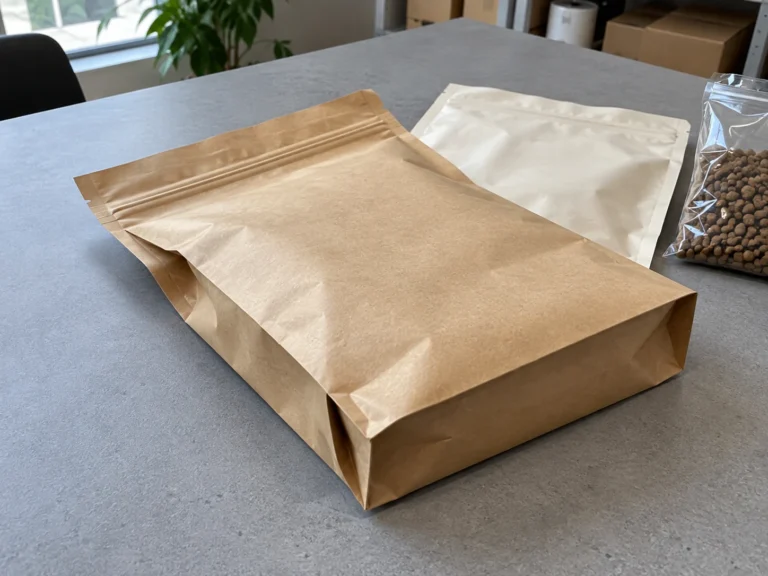
Bulk Pet Food Packaging
Specify bulk pet food bags by food, net weight, construction, closure and handling route. Connect sample review, artwork and per-version quantities.
Explore this direction
Pet Food Export Document Planning
Plan pet food export documents around the destination, selected product and importer requirements. Coordinate records, responsibilities and shipment handoff.
Explore this directionStart with your requirements
Tell Arlo about your bulk dry pet food order
Share the destination, intended product and life stage, formula direction, bag format, estimated quantity per SKU and delivery requirements. Explain any local packing or distribution arrangement that needs review.
Your contact at ZoePetSup
Hi, I’m Arlo.
Tell me which pet food project you are planning and what you need to confirm first. A rough brief helps us identify the next questions together.
- Destination market and sales channel
- Life stage, product and flavour direction
- Pack sizes and quantity per SKU
- Artwork status and target launch window