Dry cat & dog food · cost-focused OEM ranges
Value Private Label Pet Food
Build a value-positioned pet food range by agreeing the essential product requirements and reviewing formula, pack and order choices together.
ZoePetSup can discuss dry cat and dog food projects for brands serving a cost-conscious market. Share the intended product, channel and price position so the quotation addresses the features you need and the options you can adjust.
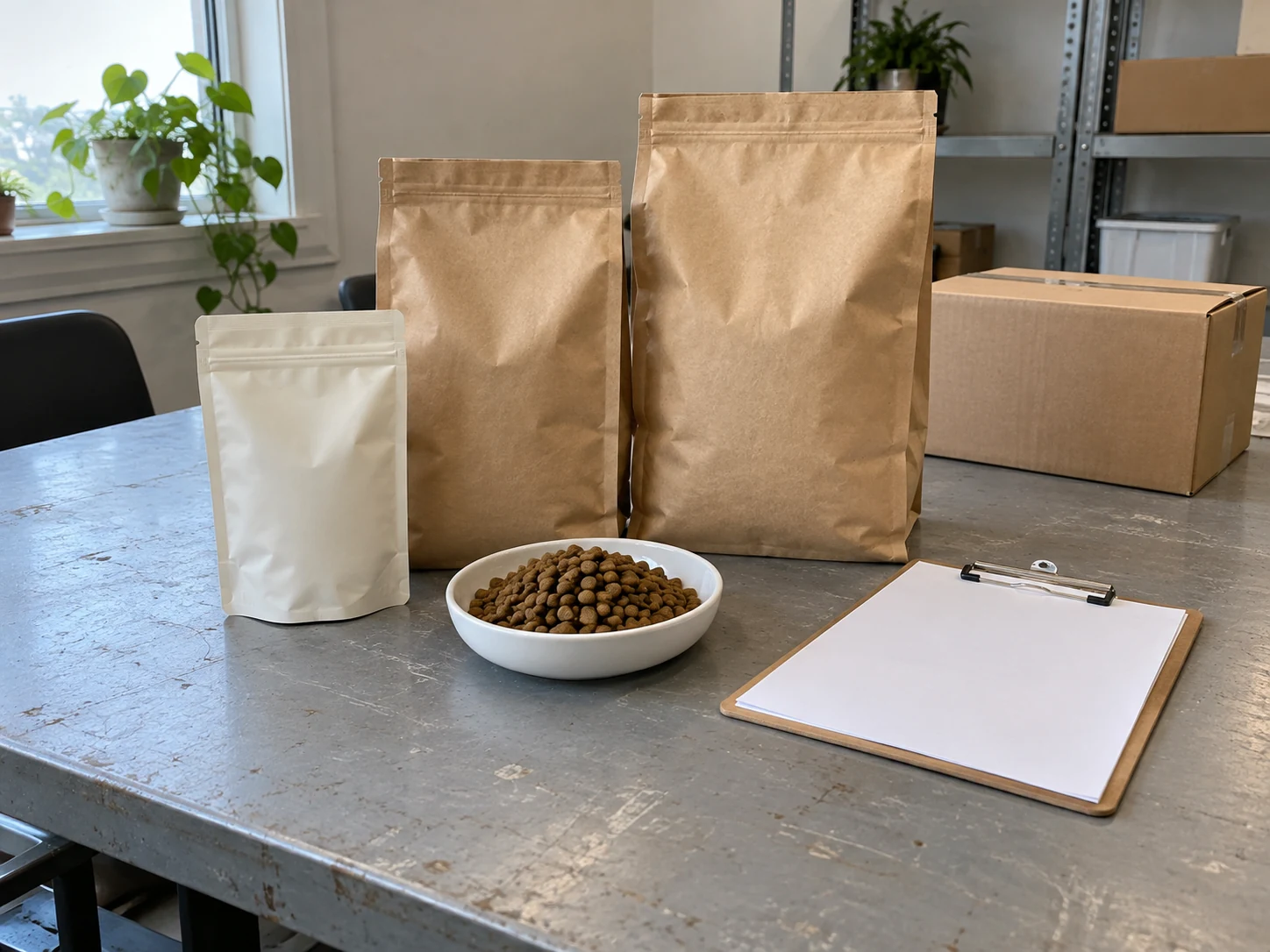
Review the product, pack and order mix together.
Your value-range decisions
Build a cost-focused range brief
Plan your OEM project
Start with the price position and channel
Describe the range your customers need and the commercial basis of your target before comparing product options.
A value range for a local retailer and a bulk range for your brand can have different pack, presentation and delivery needs. Identify the destination, intended animals, life stage, route to market and role of the first products in the range.
If you have a target cost, state the currency, unit, pack weight and delivery basis. Keep a retail shelf target separate from an OEM product quote so the discussion can account for packaging, freight and other items in the agreed scope.
Value positioning is a commercial brief. Keep the finished-product requirements and supported label wording explicit while reviewing which formula, pack and range choices can be adjusted.
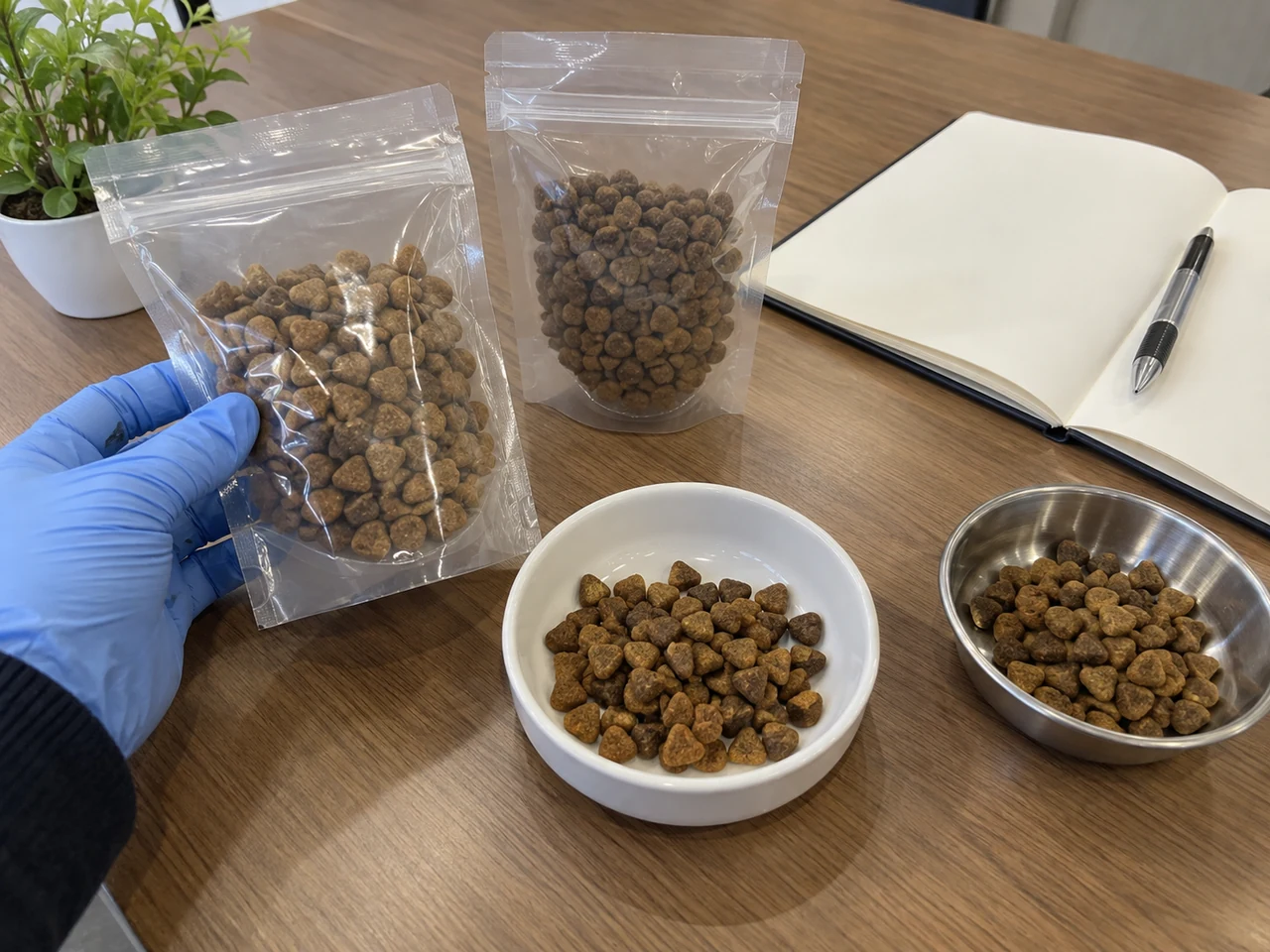
Plan your OEM project
Separate essential requirements from flexible choices
Tell us what must stay fixed and what can change before asking for a lower-cost option.
Do not replace a defined product requirement with a vague request for the cheapest recipe. Ask for the specification and product information needed to review any proposed alternative.
When a change affects a feature already shown on the artwork, review the sample, specification and public wording together. The accepted version should describe the actual product being ordered.
| Requirement | Keep explicit | Possible review question |
|---|---|---|
| Intended product | Species, life stage and finished-product objectives. | Which proposed product fits the agreed intended use? |
| Ingredient direction | Required sources, exclusions and any supported ingredient claims. | Which choices are essential to the range position? |
| Physical sample | Agreed shape, texture and acceptance questions. | Can a different physical option meet the brief? |
| Pack and artwork | Net weight, protection needs and version count. | Which presentation features can be simplified? |
Plan your OEM project
Review the complete quoted scope
Look at the product, packaging and SKU mix as one project while keeping individual costs and assumptions visible.
A price comparison is useful when the unit, product version, packaging and delivery scope are the same. Ask which items are included, which remain optional and how long the commercial quotation remains valid.
Product direction
Compare options against the same intended-use and quality requirements. Identify any difference in formula priorities, sample characteristics or supporting product information.
Packaging scope
Review the bag format, printing and number of artwork versions. Confirm protection and handling requirements before removing or changing a pack feature.
Order mix
Show the quantity of each formula and bag size. Ask how separate product and packaging minimums apply to the proposed mix rather than assuming a single range-wide minimum.
DEFINE THE REQUIREMENTS THAT MATTER
Make the cost target reviewable.
Separate essential requirements from flexible product and pack choices.
Plan your OEM project
Keep sample approval tied to the chosen option
Use an identified sample and specification to approve the value-range option you intend to order.
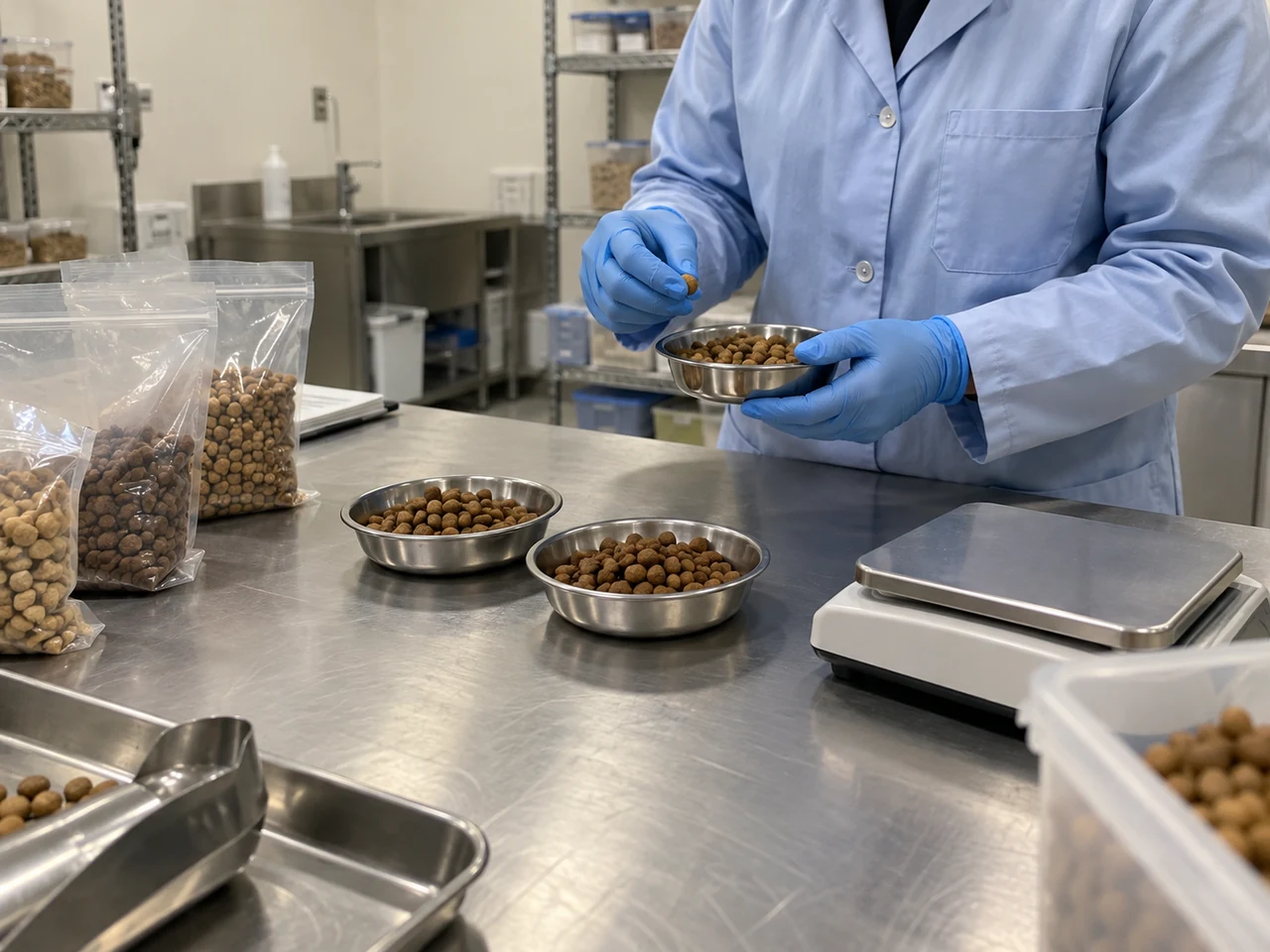
State the questions the sample review must resolve. Compare the physical product against the same criteria for each option and request the finished-product information your quality team needs.
Record the selected formula direction, sample reference and changes agreed during review. A lower-cost alternative needs its own clear approval basis if it changes the previously accepted product or pack.
Agree the relevant test information, batch documentation and traceability needs before finalising the order. Cost-focused positioning does not remove the need for an accepted product specification.
Plan your OEM project
Build a manageable first SKU mix
Choose the first range around the products and bag sizes your channel can support.
Start with an estimated mix if final quantities are not yet known. Mark the uncertain lines and request the applicable minimums for each product and packaging version. Avoid expanding the range before understanding how its versions affect the first-order scope.
| Range choice | Planning question | Enquiry input |
|---|---|---|
| Cat or dog focus | Which intended customers does the first range serve? | Species, life stage and flavour priorities per SKU. |
| Pack sizes | Which sizes fit the channel and expected purchase pattern? | Bag format and quantity for each net weight. |
| Artwork versions | Which versions are needed at launch? | Language and design references linked to each product. |
| Repeat demand | Which products are likely to need replenishment first? | Estimated first order and expected reorder mix. |
Plan your OEM project
Turn the cost target into a clear enquiry
Give the development and commercial review one consistent set of assumptions.
If a target cannot be met within the proposed scope, ask which product, pack or quantity decisions would need to change. A useful response should make those tradeoffs explicit rather than leave the difference hidden in an unspecified version.
Define the range
Name the market, customer, intended animals and target position.
Rank the requirements
Separate essential product and pack features from flexible options.
Compare the scope
Review identified samples and quotes with the same units and inclusions.
Confirm the order
Link the accepted specification, artwork and quantities before production arrangements are agreed.
READY FOR THE NEXT STEP?
Keep the selected option tied to the approved specification.
Send the product, pack and commercial assumptions together.
Plan your OEM project
Value private label pet food questions
Resolve cost and scope assumptions before comparing alternatives.
01Does value positioning mean one fixed low-price formula?
No single formula or price is established by the category. Define the intended product and essential requirements, then review the proposed options and their current commercial scope.
02Can we discuss both cat and dog food?
Yes. Dry cat and dog food directions can be discussed. Keep species, life stage, formula priorities and quantities separate for each SKU.
03How should we state a target price?
Include the currency, unit, pack weight and delivery basis. Explain whether the figure is an OEM product target or a retail shelf-price objective.
04Can packaging choices be reviewed to manage cost?
Yes. Discuss format, printing, artwork versions and quantity alongside the product. Confirm the protection and handling requirements before changing a feature.
05Is there a standard minimum for the whole value range?
The product and packaging minimums are confirmed for the proposed SKU mix. Send each formula, bag size and artwork version with an estimated quantity.
06What happens if the first option is above our target?
Identify the difference in scope and ask which flexible requirements could be reviewed. Any revised product or pack needs a clear sample, specification and artwork approval basis.
Explore product directions
Adult Cat Dry Food OEM & Private Label
An adult-cat dry food development direction for brand owners and importers, with project-specific formula, kibble, flavour and packaging choices.
Explore this direction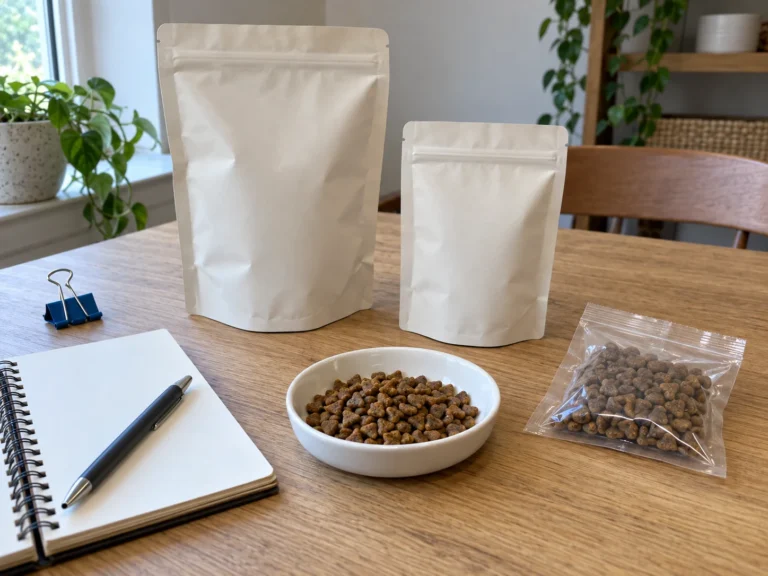
Kitten Dry Food OEM & Private Label
A kitten dry food development direction for brands planning a growth-stage SKU, with product specification, kibble and packaging reviewed for the project.
Explore this direction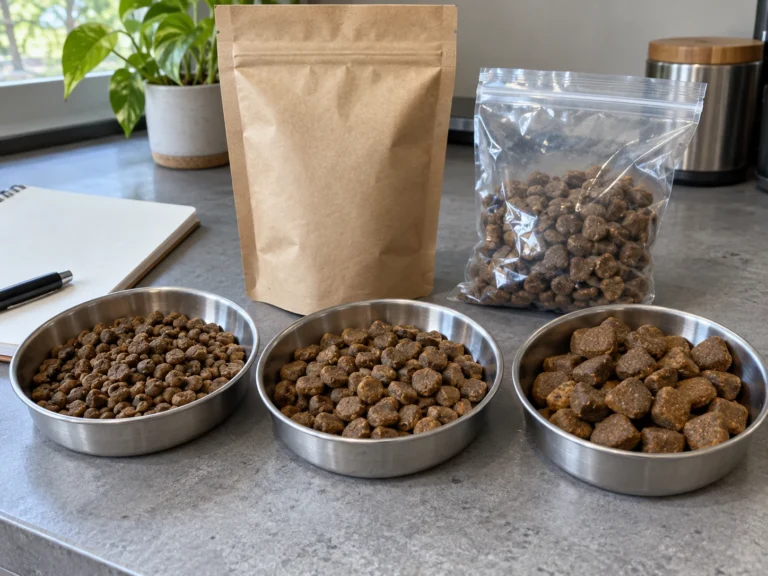
Adult Dog Dry Food OEM & Private Label
An adult dog dry food development direction for brands choosing breed-size kibble, flavour, positioning and packaging for a defined sales channel.
Explore this direction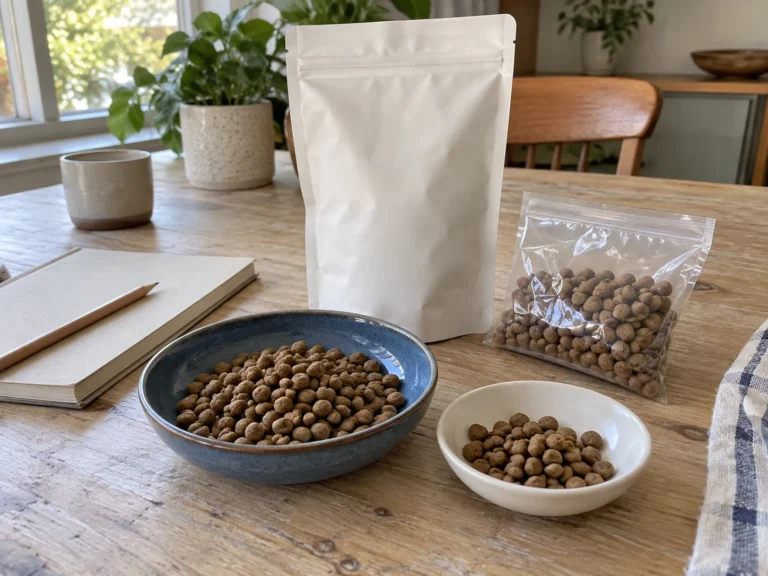
Puppy Dry Food OEM & Private Label
A puppy dry food development direction with life-stage, expected breed size, sample review and packaging defined for your private-label project.
Explore this directionRelated formula directions
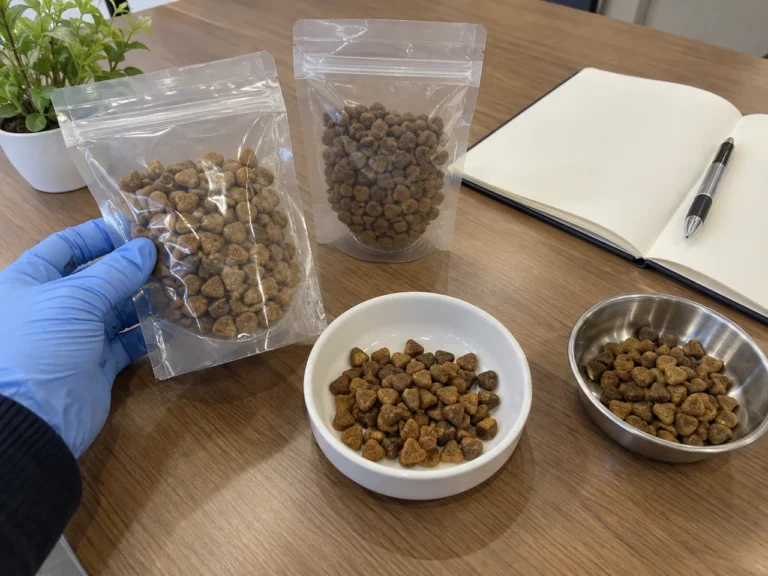
Adult Cat Dry Food Formula
A qualitative adult-cat formula direction for structuring your development brief.
Explore this directionKitten Dry Food Formula
A qualitative kitten formula reference for preparing a distinct growth-stage product brief.
Explore this directionAdult Dog Dry Food Formula
A qualitative adult dog formula reference for discussing the product brief, ingredient preferences, sample requirements and final specification.
Explore this directionPuppy Dry Food Formula
A qualitative puppy formula reference for discussing the product brief, ingredient preferences, sample requirements and final specification.
Explore this directionContinue planning your project
Pet Food OEM Quotation
Prepare a pet food OEM quotation brief by formula, SKU, packaging and delivery scope. Compare clear cost inclusions and request a project review with ZoePetSup.
Explore this directionPet Food MOQ and Order Planning
Understand pet food MOQ by product, packaging and SKU mix. Prepare a practical first order brief and confirm project-specific quantities with ZoePetSup.
Explore this directionStart with your requirements
Tell Arlo about your value pet food project
Share the destination, intended cats or dogs and life stage, channel, target price position, essential formula requirements, bag sizes and quantity per SKU. Mark which choices are flexible.
Your contact at ZoePetSup
Hi, I’m Arlo.
Tell me which pet food project you are planning and what you need to confirm first. A rough brief helps us identify the next questions together.
- Destination market and sales channel
- Life stage, product and flavour direction
- Pack sizes and quantity per SKU
- Artwork status and target launch window