DRY CAT FOOD · PRODUCT DEVELOPMENT
Custom Dry Cat Food for Your Brand
Turn your cat food idea into a clear product brief: market, life stage, ingredients, flavour, kibble and the sample you need to review.
Bring the decisions that matter to your brand. ZoePetSup can discuss a dry cat food development direction with you, connect it to an adult-cat or kitten Product and Formula reference, and identify the specification, sample and pack requirements to settle before an order.
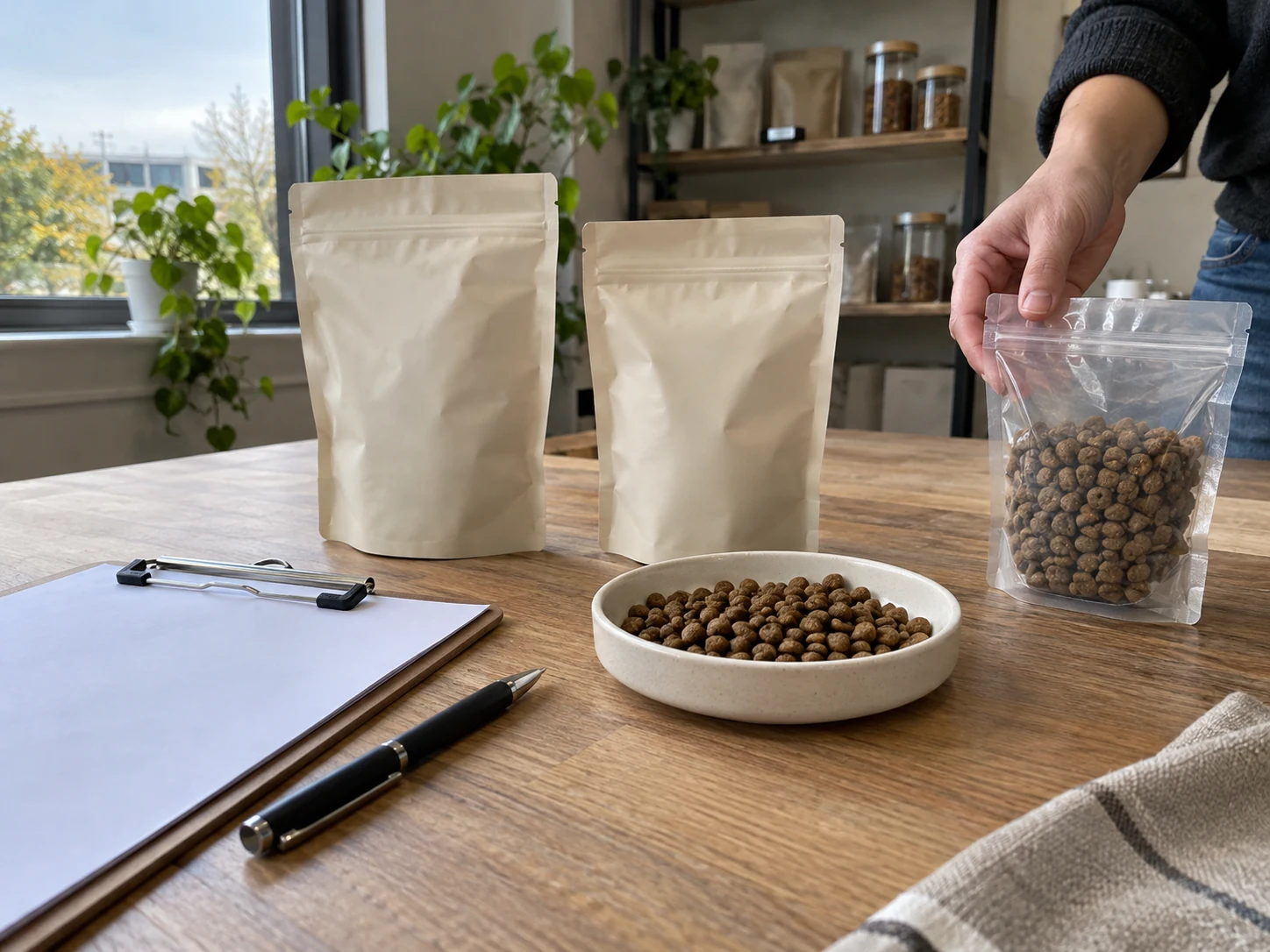
Connect the ingredient, kibble and sample decisions before the first order.
Your development decisions
Build a clearer custom cat food brief
DEFINE THE PRODUCT FIRST
Start with the market brief
A useful custom cat food brief starts with where the product will sell, which cats it is for and why it belongs in your range.
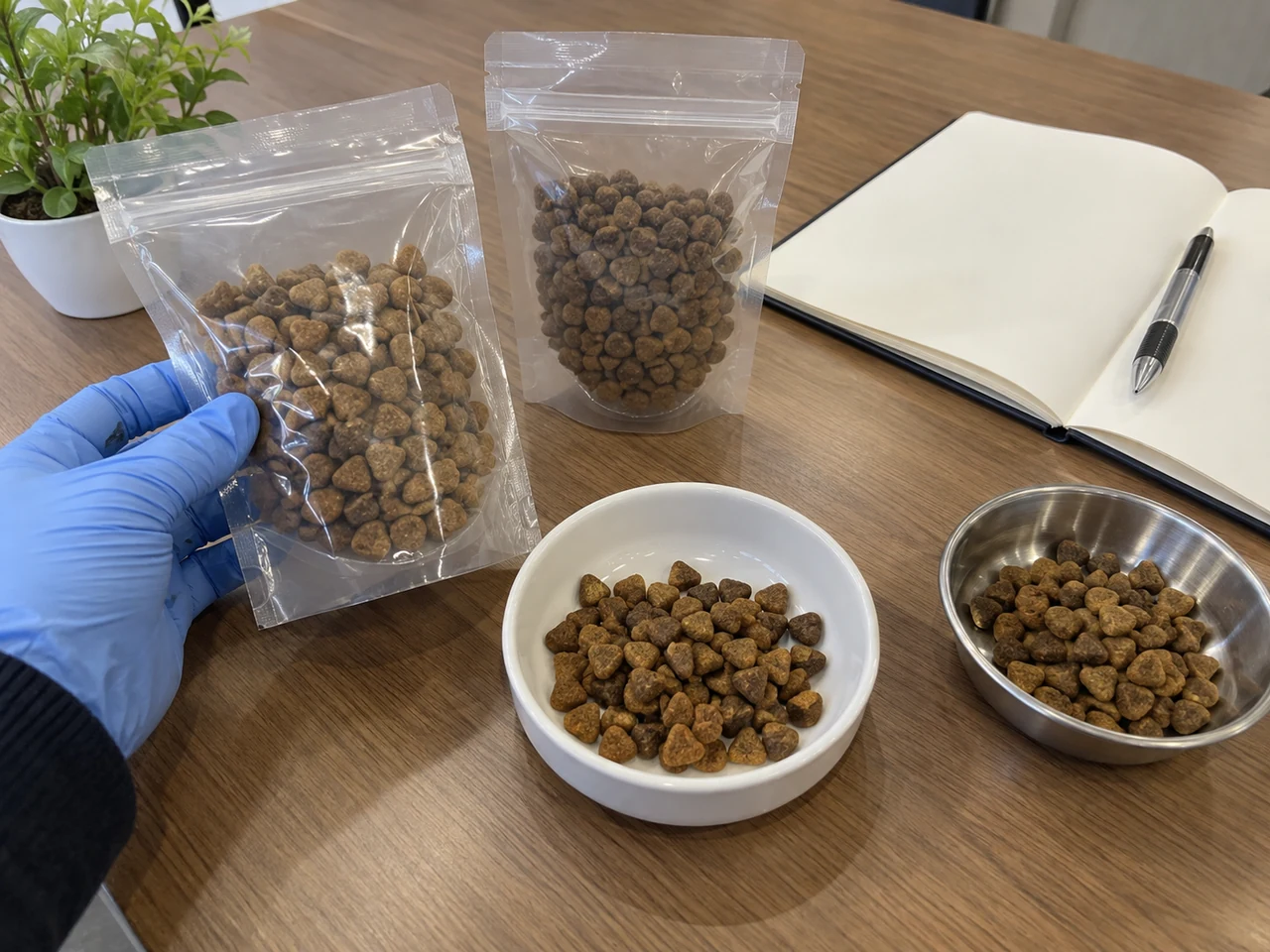
Specify the destination country, intended life stage and sales channel. Add the role of the SKU: an adult-cat launch, a separate kitten line or a proposed range extension. Share your intended shelf positioning and pack sizes so product choices can be discussed in their commercial context.
Separate what must be achieved from what is still open. A brief such as “an adult-cat retail SKU, fish flavour direction, compact kibble and two planned pack sizes” gives the discussion more structure than a list of fashionable ingredients. Final ingredient and nutrient specifications still need their own review.
SCOPE THE WORK
Choose the development route
Choose the route around the decisions you need to change, then agree the sample and specification work included in the project.
A reference direction is a starting point for discussion. It is not a finished commercial recipe or a promise that every requested variation is available. Explain your intended differences so feasibility, costs and approval points can be reviewed together.
Define a reference-led brief
Start from the related Product and qualitative Formula pages when your main need is to organise the SKU and ask the right questions.
- Identify life stage and intended positioning
- List flavour, kibble and pack preferences
- Agree which specification needs review
Refine selected requirements
Use a focused change brief when only certain ingredient preferences, sensory attributes or pack choices are central to your brand.
- Rank essential and optional changes
- Explain the reason for each priority
- Confirm how the changes will be evaluated
Develop a distinct direction
Bring a market and product concept when the required direction needs broader development discussion. Agree the scope before sample work starts.
- State the intended product difference
- Identify proposed label statements
- Set approval points and responsibilities
MAKE YOUR PRIORITIES USABLE
Turn ingredient preferences into a clear brief
Explain the job of each requirement and the evidence you will need before the specification and label are approved.
Keep ingredient preferences, target product characteristics and proposed pack statements separate. A flavour name does not establish an ingredient percentage, and a qualitative Formula page does not provide final nutrient values. If you have a reference product, describe the characteristics you want to discuss without treating its label as a ready-to-copy specification.
| Decision | What to send | What to settle |
|---|---|---|
| Ingredient direction | Preferred sources, exclusions and the reason for each priority | The proposed ingredient declaration and feasibility of mandatory requirements |
| Nutrition and positioning | Intended life stage and any product targets for review | The agreed nutrient specification and support for the proposed pack statements |
| Cost priorities | Sales channel, intended positioning and which requirements can flex | A quotation for the agreed scope, pack plan and quantity per SKU |
| Product reference | Your existing brief or the characteristics you want to compare | Which attributes form the sample acceptance criteria |
MAKE THE DEVELOPMENT BRIEF USEFUL
Tell us what must change, and what can stay flexible.
A clear priority list gives the sample discussion a practical starting point.
DEFINE WHAT YOU WILL REVIEW
Compare flavour and kibble choices
Choose the sample attributes that matter to the SKU, then review them against the same brief rather than changing every variable at once.
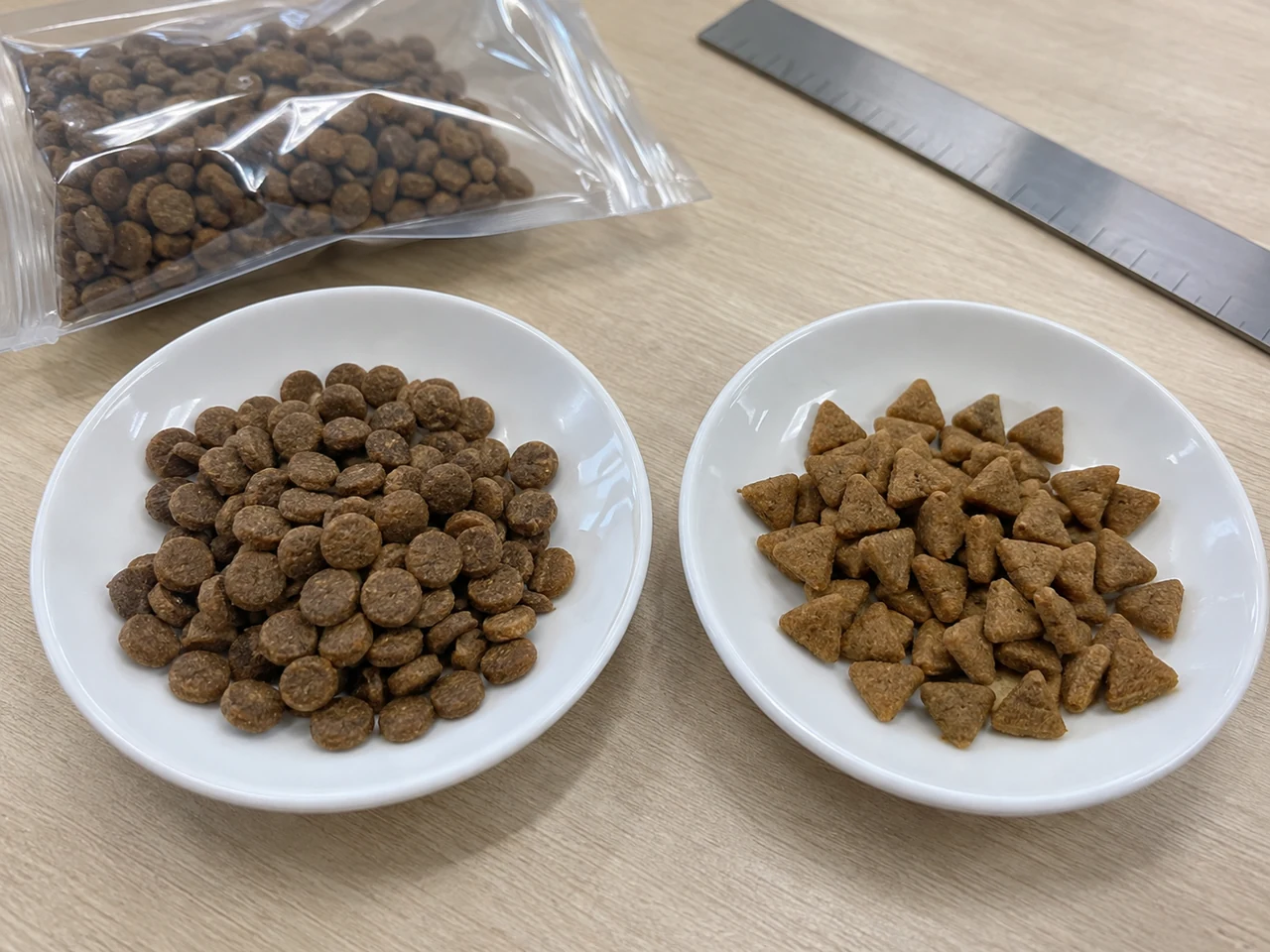
Cat food directions include chicken, fish, tuna, salmon and seafood flavours, with round, triangle, fish-shaped or custom kibble directions. Extruded and baked formats can be discussed. Confirm the feasibility of the selected combination and its actual sample specification for the project.
For the review, record the agreed kibble size and shape, appearance, odour, handling and flavour direction. Tell us which attribute is essential to your brand and which is a preference. The intended feeding evaluation and any resulting claims need their own agreed scope; an attractive sample photograph does not demonstrate acceptance or nutritional suitability.
MAKE FEEDBACK ACTIONABLE
Approve a sample against agreed criteria
Define the sample request, compare it consistently and record the accepted version before it becomes the basis of production planning.
Sample scope, charges, timing and shipping arrangements are confirmed for the project. Agree which decisions the sample is meant to resolve and who on your team will provide the approval. Avoid approving artwork while product changes are still open.
Freeze the review brief
List the essential product characteristics, the questions the sample should answer and the way each sample will be identified.
Review the same attributes
Compare the agreed appearance, kibble, odour and handling criteria. Keep observations separate from preferences and from claims requiring further evidence.
Send specific revision notes
Reference the sample version and the attribute to change. Explain what should remain the same so the next discussion is focused.
Record the approved version
Link the accepted sample to the final specification and agreed artwork version. Review further changes before proceeding with the order.
CLOSE THE HANDOFF GAPS
Connect the specification to the pack
Product approval, label information and order planning should describe the same proposed SKU.
Prepare the product and packaging inputs together. Cat-food pack directions include retail packs from 400 g to 2 kg, family packs from 3 to 5 kg and bulk bags from 10 to 20 kg; the selected format, artwork and order requirements are confirmed for the project. Product MOQ and packaging MOQ should be stated separately in the quotation.
Product handoff
Keep the approved product specification, sample reference and agreed test requirements together. The final ingredient list and nutrient values belong to that approved record.
Artwork handoff
Agree the pack size, label language, ingredient declaration, feeding information and support for the proposed statements before print approval.
Order handoff
State estimated quantity per SKU, packaging quantities, intended destination and the launch window. Confirm commercial terms and production timing against the agreed scope.
READY FOR THE NEXT STEP?
Bring the product, pack and sample decisions together.
Send the questions you need to resolve before your first order.
BEFORE THE FIRST DISCUSSION
Questions before custom development
Use these answers to prepare a practical brief. Commercial specifications and terms are settled for the proposed project.
01Do I need a complete recipe before contacting ZoePetSup?
No. Share the market, life stage, sales channel, positioning and the product differences you want to discuss. Identify ingredient preferences and mandatory requirements so the development scope can be reviewed.
02Can I discuss a kitten SKU as well as adult cat food?
Yes. Treat each life-stage SKU as a separate product brief. Review its proposed specification and label information instead of assuming the adult-cat product applies to the kitten line.
03Can you work with ingredient exclusions or a proposed claim?
Include each requirement in the brief and explain why it is important. Feasibility, the final ingredient declaration and support for any proposed label statement are reviewed for the project and destination market.
04Is the Formula page a finished specification?
No. Formula pages are qualitative references for structuring the discussion. Exact ratios, final nutrient values and any customer-specific recipe are handled through the project review.
05What are the MOQ, sample cost and lead time?
These have not been confirmed as one standard set of dry-food terms. Request a quotation against the product direction, pack plan, quantity per SKU and development scope.
06What makes the first message useful?
Send your destination country, life stage, channel, flavour and kibble preferences, ingredient priorities, intended pack sizes and estimated quantity. Mention artwork status, the launch window and the decisions you need to resolve first.
Explore product directions
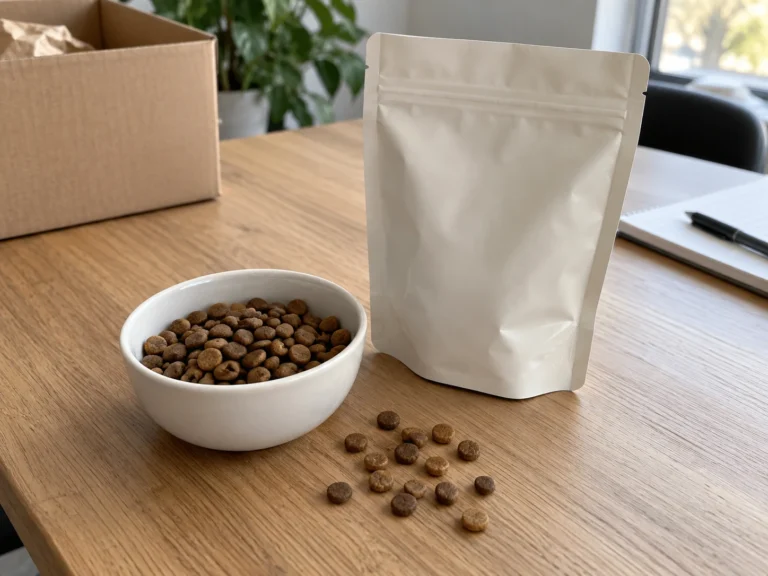
Adult Cat Dry Food OEM & Private Label
An adult-cat dry food development direction for brand owners and importers, with project-specific formula, kibble, flavour and packaging choices.
Explore this direction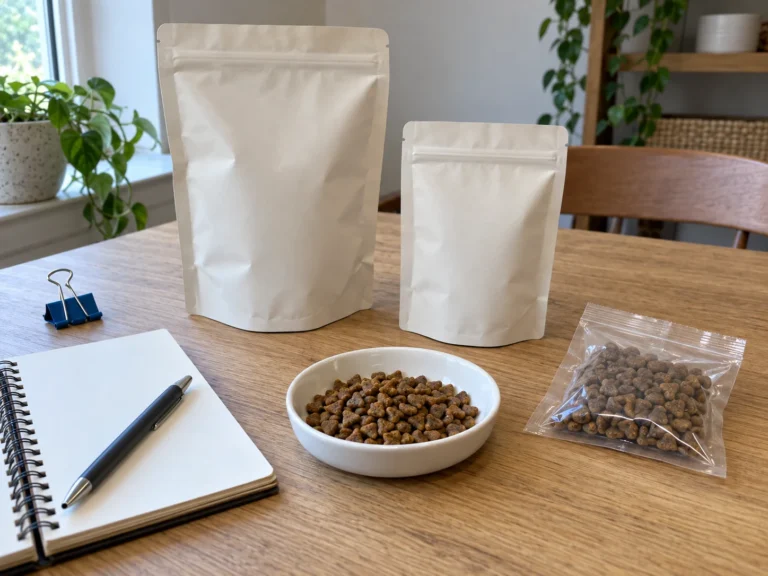
Kitten Dry Food OEM & Private Label
A kitten dry food development direction for brands planning a growth-stage SKU, with product specification, kibble and packaging reviewed for the project.
Explore this direction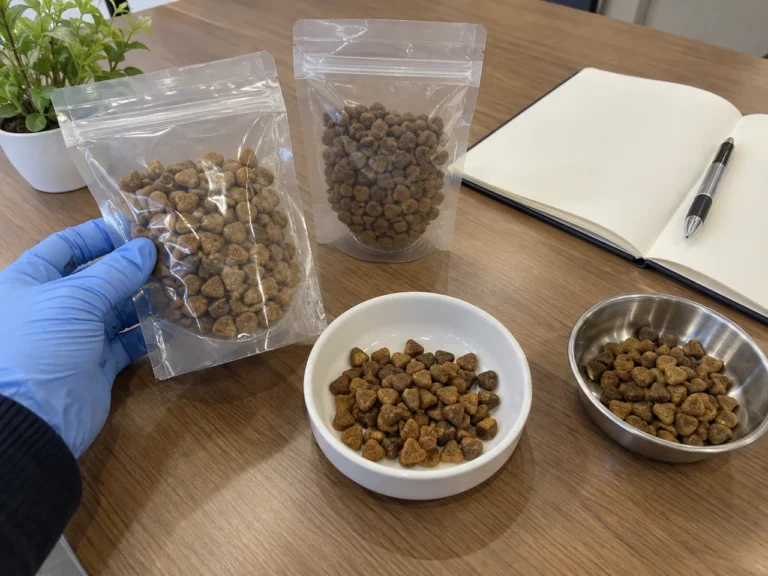
Continue planning your project
Private Label Cat Food for Your Brand
Plan private label dry cat food with formula directions, samples, packaging and project-specific order terms. Send your brand brief to ZoePetSup.
Explore this direction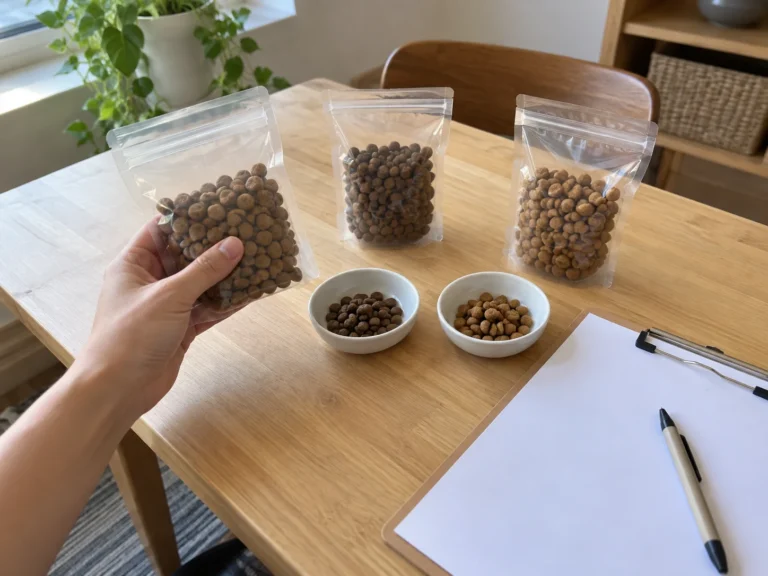
OEM Pet Food Sample Development
Plan OEM pet food samples with a clear brief, review criteria, revision feedback and approval handoff. Discuss your cat or dog food project with ZoePetSup.
Explore this directionPlan your product range
Choose the next direction for your cat food range
Start with the buyer need and intended channel. These development briefs explain what to discuss, what to sample and which supporting information to prepare.
Indoor Cat Food OEM & Private Label
Position an indoor-cat range around the channel, kibble sample and packaging brief.
Review this brief →Hairball Control Cat Food OEM
Define a hairball-focused daily-food brief and the evidence needed for proposed wording.
Review this brief →Sensitive Stomach Cat Food OEM
Review ingredients, traceability and sample evaluation for a digestive-support positioning.
Review this brief →Skin & Coat Cat Food OEM
Connect skin-and-coat positioning with ingredient specifications, packaging and evidence.
Review this brief →Senior Cat Dry Food OEM & Private Label
Plan senior-cat positioning, sample acceptance and a linked formula discussion.
Review this brief →Start with your requirements
Tell Arlo what your cat food needs to do
Share your destination country, life stage, sales channel, ingredient priorities and the changes you want to review. Add pack sizes, a quantity estimate and a target launch window if known.
Your contact at ZoePetSup
Hi, I’m Arlo.
Tell me what is already decided and where you need help with the cat food brief. We can organise the product, sample and packaging questions before a quotation.
- Destination market and sales channel
- Life stage, product and flavour direction
- Pack sizes and quantity per SKU
- Artwork status and target launch window