Private label pet food · launch planning
Pet Food Launch Timeline
Build a pet food launch timeline around the decisions, samples, packaging and shipment requirements your project actually needs.
Tell ZoePetSup when and where you want to launch, then work back through the product, sample, pack and order approvals. A useful schedule shows what must be ready before the next stage can start, with a clear person responsible for each decision.
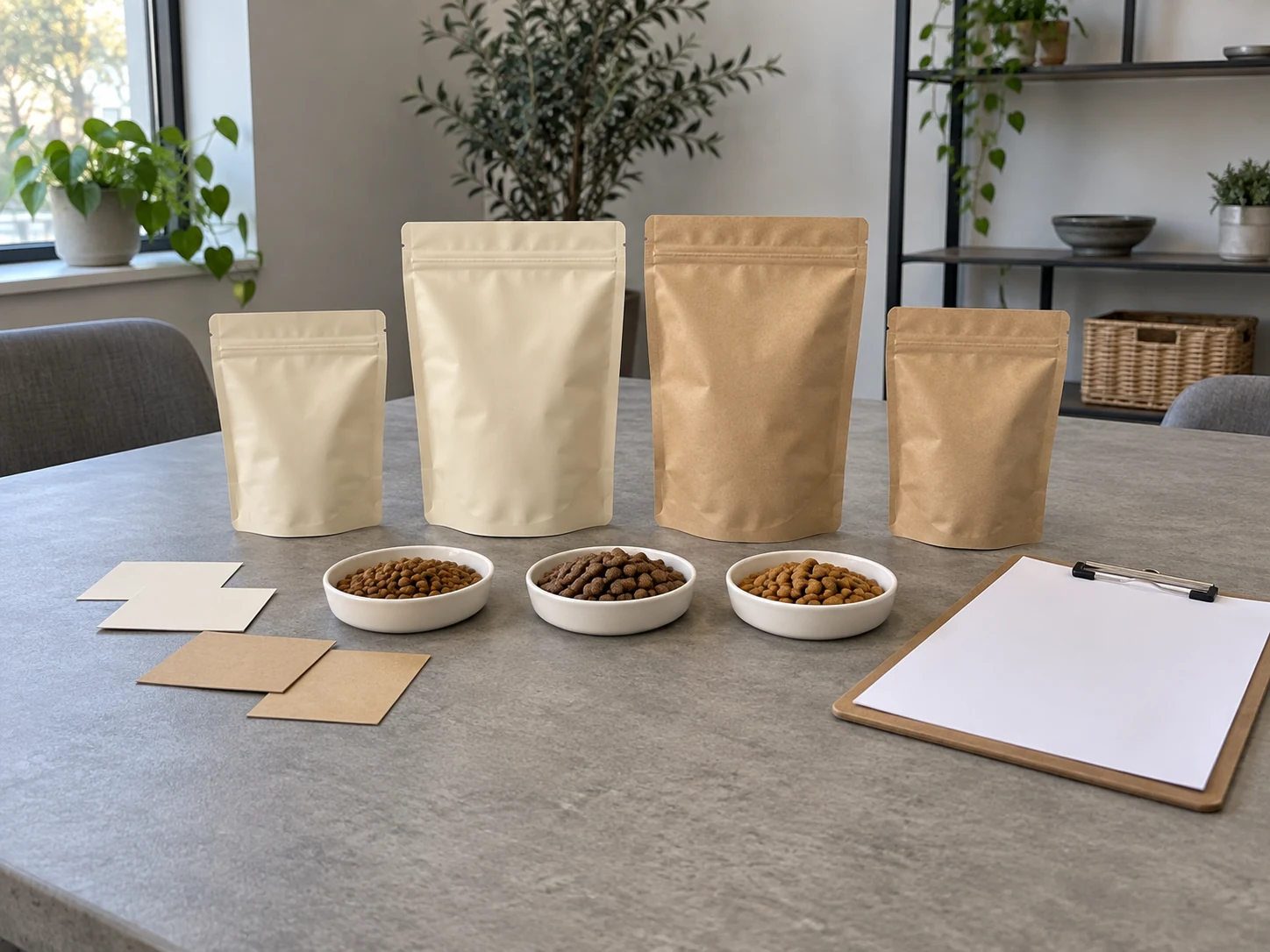
Connect the product, pack, approvals and delivery event.
Your launch planning decisions
Build a practical launch schedule
Plan your OEM project
Start with the date your business needs
Distinguish the date you need stock from the production, shipment and launch dates that lead up to it.
A retail listing, distributor appointment or seasonal launch can create a fixed commercial target. Explain what must happen on that date: goods ready for collection, shipment departure, arrival, local availability or a live retail listing. These milestones are not interchangeable.
Give the destination and proposed product range alongside the date. A single accepted product in an existing pack is a different planning problem from several new formulas, multiple bag sizes and new language versions.
List the work already completed and the decisions still open. An identified reference sample, reviewed product brief and current artwork files make the starting position clearer than an unexplained request for the fastest possible delivery.
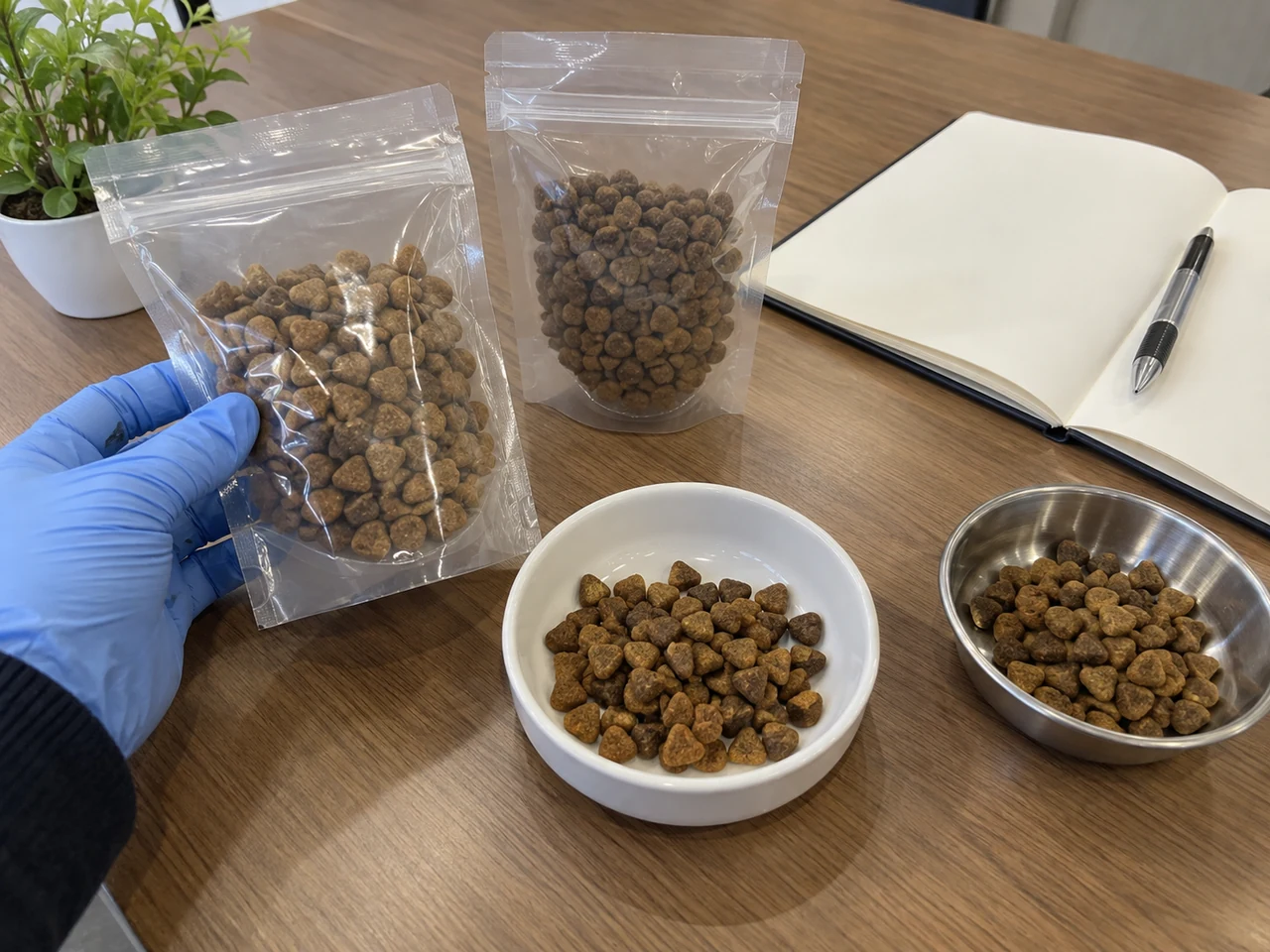
Plan your OEM project
Map the approvals that control progress
Give each stage a defined input, review outcome and handoff so the schedule can be assessed.
ZoePetSup’s project workflow connects the market brief, product and formula discussion, samples, packaging and labels, production with quality review, and export or shipping coordination. Agree the detail for your own order rather than treating the stages as a universal number of weeks.
Where work can progress in parallel, identify the information that must remain consistent. Early artwork preparation still needs the correct product values and selected pack template before final approval.
| Milestone | Input to prepare | What needs confirmation |
|---|---|---|
| Product brief | Market, species, life stage, product position and SKU list. | The scope to develop and the questions still needing review. |
| Samples and specification | Selected direction, reference and written feedback. | Accepted sample reference and finished-product information. |
| Pack and label | Bag size, template, content and language versions. | The approved pack and artwork version for each SKU. |
| Order and production | Quantities, accepted versions and commercial scope. | Current production arrangements and release requirements. |
| Shipment handoff | Destination, importer instructions and document needs. | The agreed documents, responsibilities and delivery basis. |
Plan your OEM project
Find the decisions that can hold the launch
Focus first on the unresolved decisions that prevent another stage from being completed.
Assign a reviewer and a response target to each open question. The aim is to make the next decision possible, not to shorten a schedule by leaving the approval undefined. Ask for an updated assessment when a decision changes the scope.
Product decisions
Keep formula priorities, intended use and sample acceptance questions clear. A late change to the product can also affect specifications, labels and the packaging review.
Packaging decisions
Confirm each bag or container, net weight and language version. Multiple sizes and artwork versions need separate references and quantities.
Market and order decisions
Identify the importer’s information needs, the actual delivery milestone and the order mix. Raise missing requirements before a shipment date is treated as agreed.
DEFINE THE REQUIREMENTS THAT MATTER
Resolve the decisions that control progress.
Identify the missing input, reviewer and reference for each next step.
Plan your OEM project
Keep sample and artwork feedback actionable
Use one clear feedback record for the product and one controlled version for each pack.
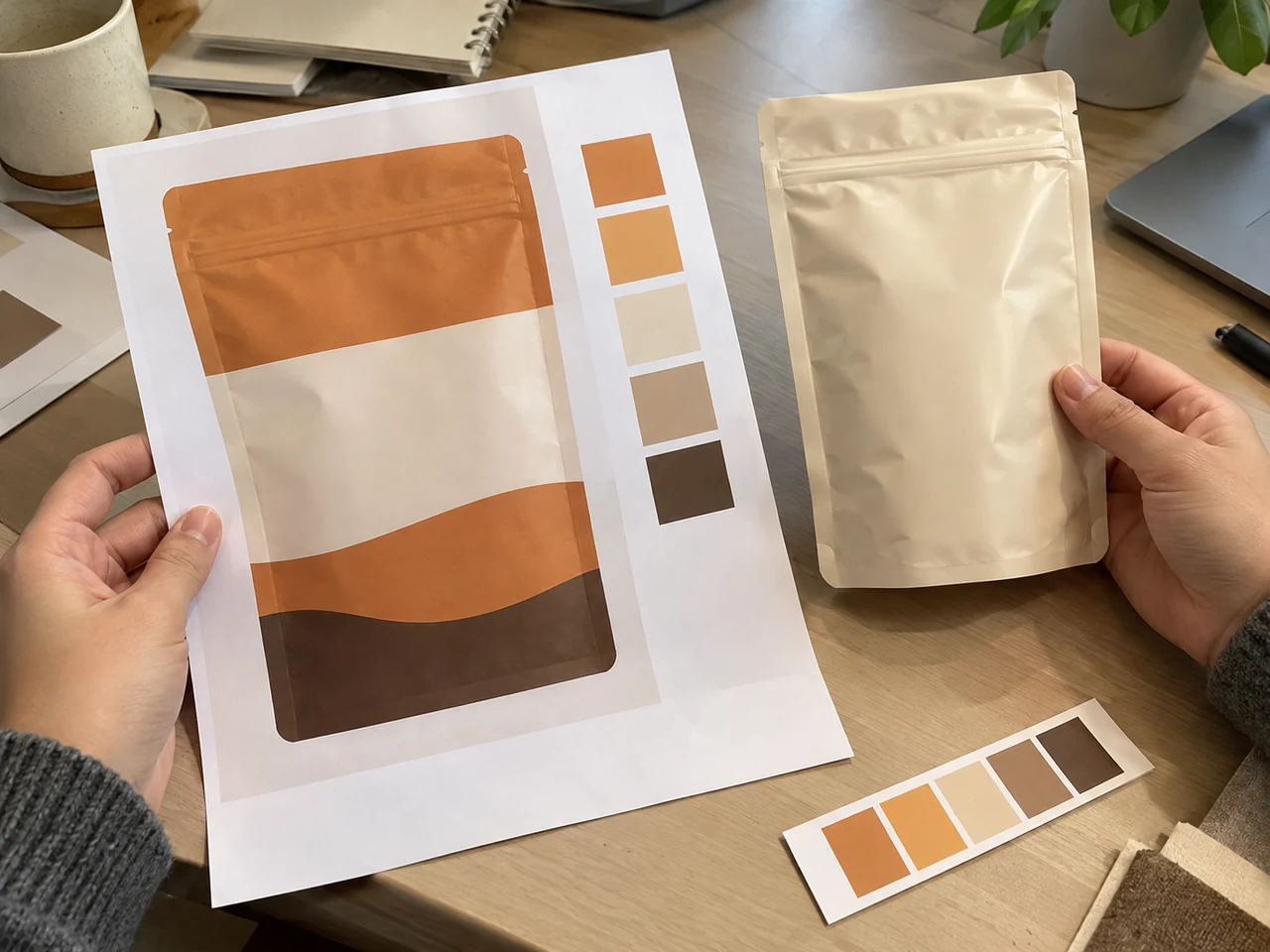
Identify the sample or file being reviewed before describing a requested change. Explain what you accept, what you want to change and which question still needs an answer. Separate a formula change from a pack-only revision so the effect on the project can be assessed.
Have the relevant product, quality and label reviewers resolve conflicting comments before a version is released. Sending several uncoordinated sets of feedback makes the next step uncertain even when every individual comment is understandable.
Confirm who gives final approval and what that approval covers. A colour or layout review does not by itself confirm the product specification, required wording or shipment documentation. Keep these decisions linked to the same SKU and market.
Plan your OEM project
Show what a change means for the schedule
Review the affected milestones whenever the product, pack or order assumptions change.
Project duration, sample timing and production arrangements are confirmed for the actual scope. Do not treat a sample photo, a previous order or another supplier’s lead time as a promise for a new project.
If a date is fixed, say which requirements are essential and which choices can be reviewed. Discuss feasible options before changing the accepted scope; a simpler proposal still needs its own product and pack confirmation.
| Changed input | Review the effect on | Useful next action |
|---|---|---|
| Formula or sample requirement | Product feasibility, sample review, specification and label values. | Identify the changed requirement and request a revised assessment. |
| Bag size or artwork version | Pack template, proof, quantities and the correct file for each SKU. | Update the pack matrix and approval references. |
| SKU mix or quantity | Commercial scope, product and packaging minimums, production planning. | Send quantities by product and pack size. |
| Market or delivery milestone | Language, importer information, documents and delivery responsibilities. | Confirm the new destination requirements and target event. |
Plan your OEM project
Keep one current launch plan
Turn the latest decisions into a schedule that everyone can use.
For an existing project, include the current product, sample, artwork and quotation references in your enquiry. We can then discuss the remaining work against the same version of the range. For a new project, a concise brief is enough to identify the first questions together.
Define the target
Name the market, needed delivery event, date and product range.
List the open work
Record product, sample, pack, label and importer questions.
Agree the next decisions
Assign reviewers, references and the information needed for approval.
Update the plan
Confirm the effect of changes before relying on a revised milestone.
READY FOR THE NEXT STEP?
Keep the schedule tied to the current scope.
Review changes to the product, pack, quantity and delivery requirements.
Plan your OEM project
Pet food launch timeline questions
Use the timeline discussion to clarify scope and responsibilities before relying on a delivery date.
01How long does a private label pet food launch take?
The schedule depends on the selected products, sample work, packaging and artwork, quantities and destination requirements. Send your scope and target delivery event for a project-specific discussion.
02Can we plan around a fixed retail launch date?
Tell us the date and what must be available by then. Identify the products, pack versions and work already approved so the remaining requirements and feasibility can be reviewed.
03Can artwork preparation start while samples are reviewed?
Some preparation may be discussed in parallel. Final artwork still needs the agreed product information, selected pack template and required market review.
04What should we send to obtain a useful schedule?
Include the market, target event and date, species and product directions, SKU and pack list, quantities and the current status of samples, artwork and importer requirements.
05Do changes affect an already discussed date?
A change to the product, pack, quantity, market or approval requirements can change the planning assumptions. Ask for a revised assessment before treating the earlier date as current.
06Is a repeat order automatically on the same timeline?
Identify the accepted product and pack versions, requested quantities and any changes. Confirm current arrangements for the new order rather than assuming the previous schedule applies.
Explore product directions
Adult Cat Dry Food OEM & Private Label
An adult-cat dry food development direction for brand owners and importers, with project-specific formula, kibble, flavour and packaging choices.
Explore this direction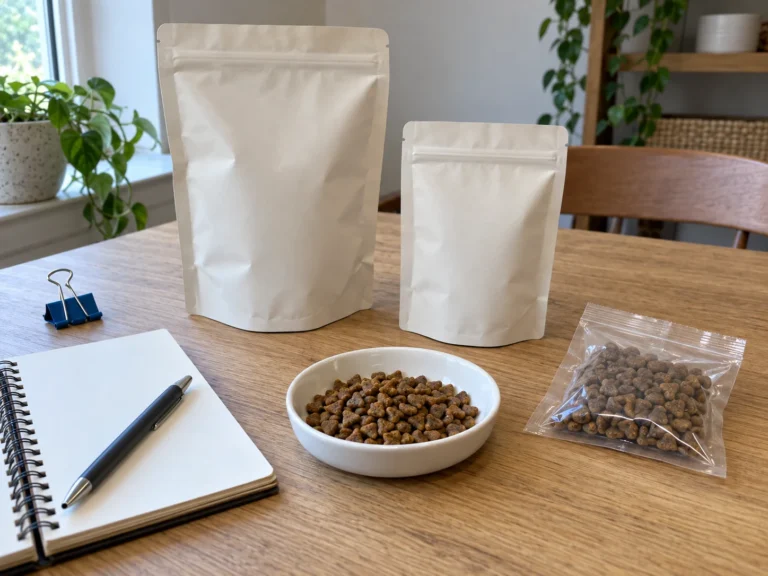
Kitten Dry Food OEM & Private Label
A kitten dry food development direction for brands planning a growth-stage SKU, with product specification, kibble and packaging reviewed for the project.
Explore this direction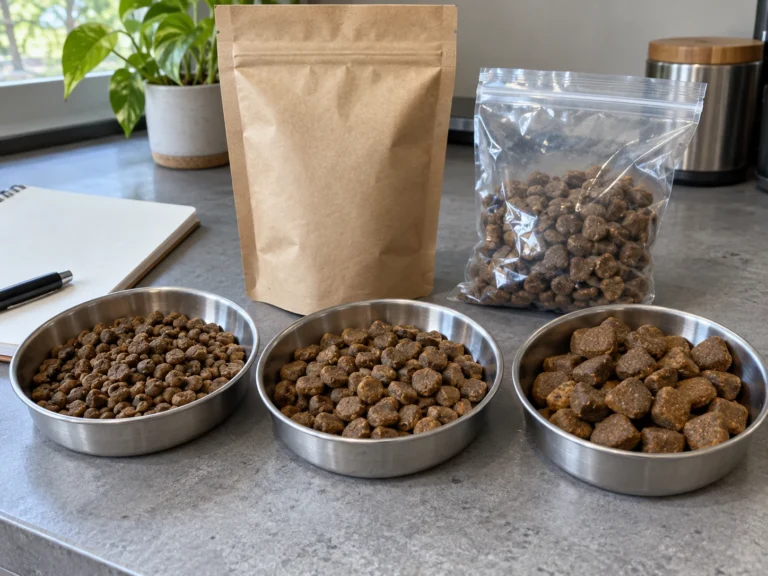
Adult Dog Dry Food OEM & Private Label
An adult dog dry food development direction for brands choosing breed-size kibble, flavour, positioning and packaging for a defined sales channel.
Explore this direction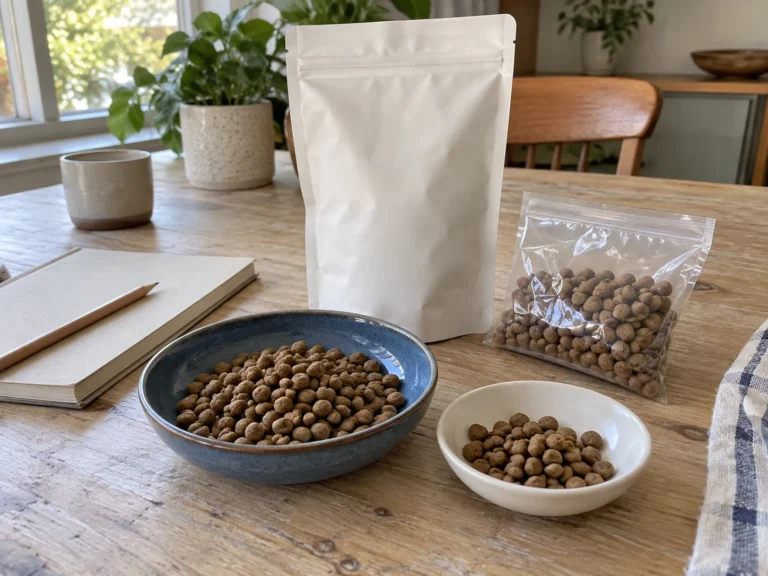
Puppy Dry Food OEM & Private Label
A puppy dry food development direction with life-stage, expected breed size, sample review and packaging defined for your private-label project.
Explore this directionRelated formula directions
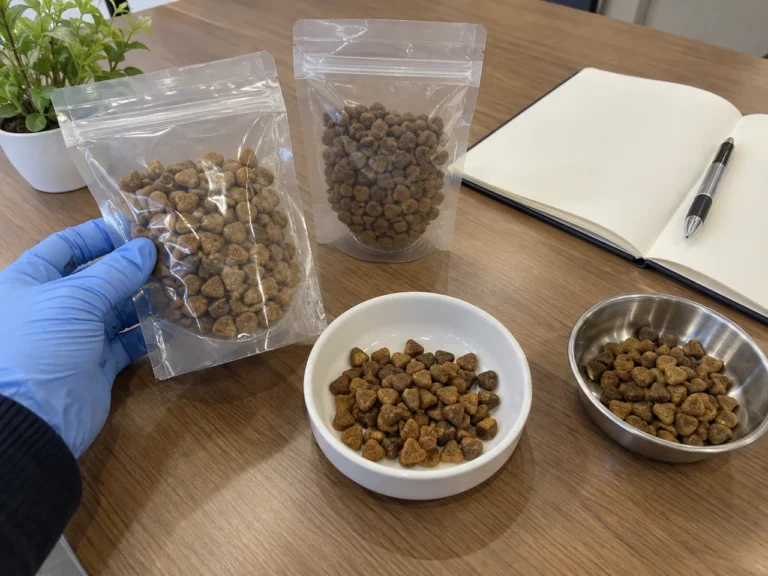
Adult Cat Dry Food Formula
A qualitative adult-cat formula direction for structuring your development brief.
Explore this directionKitten Dry Food Formula
A qualitative kitten formula reference for preparing a distinct growth-stage product brief.
Explore this directionAdult Dog Dry Food Formula
A qualitative adult dog formula reference for discussing the product brief, ingredient preferences, sample requirements and final specification.
Explore this directionPuppy Dry Food Formula
A qualitative puppy formula reference for discussing the product brief, ingredient preferences, sample requirements and final specification.
Explore this directionContinue planning your project
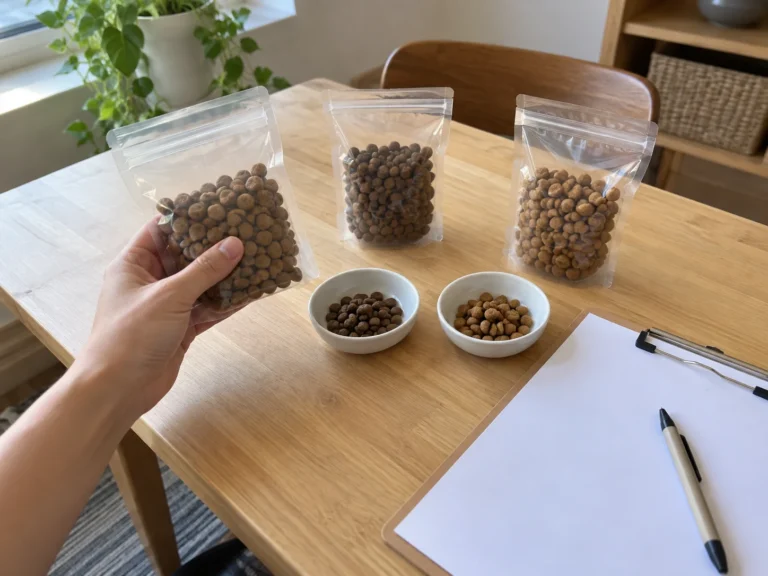
OEM Pet Food Sample Development
Plan OEM pet food samples with a clear brief, review criteria, revision feedback and approval handoff. Discuss your cat or dog food project with ZoePetSup.
Explore this direction
Pet Food Export Document Planning
Plan pet food export documents around the destination, selected product and importer requirements. Coordinate records, responsibilities and shipment handoff.
Explore this directionStart with your requirements
Tell Arlo about your pet food launch
Share the target market, intended on-shelf or delivery date, product directions, number of SKUs, pack sizes and estimated quantities. Tell us which samples, artwork and importer requirements are already confirmed.
Your contact at ZoePetSup
Hi, I’m Arlo.
Tell me which pet food project you are planning and what you need to confirm first. A rough brief helps us identify the next questions together.
- Destination market and sales channel
- Life stage, product and flavour direction
- Pack sizes and quantity per SKU
- Artwork status and target launch window