Formula and serving
Request the selected ingredient information and the basis of the proposed use directions. Keep ingredient amounts, piece weight and intended daily serving connected to the same product reference.
Cat supplement development · existing reference profiles
Plan a cat soft-chew range with a defined product direction, cat-specific formula review and clear sample and packaging requirements.
Explore cat soft-chew product directions with ZoePetSup, then confirm the selected ingredients, serving, physical format and market wording for your project. Keep the final cat product review separate from a general range name or catalogue illustration.
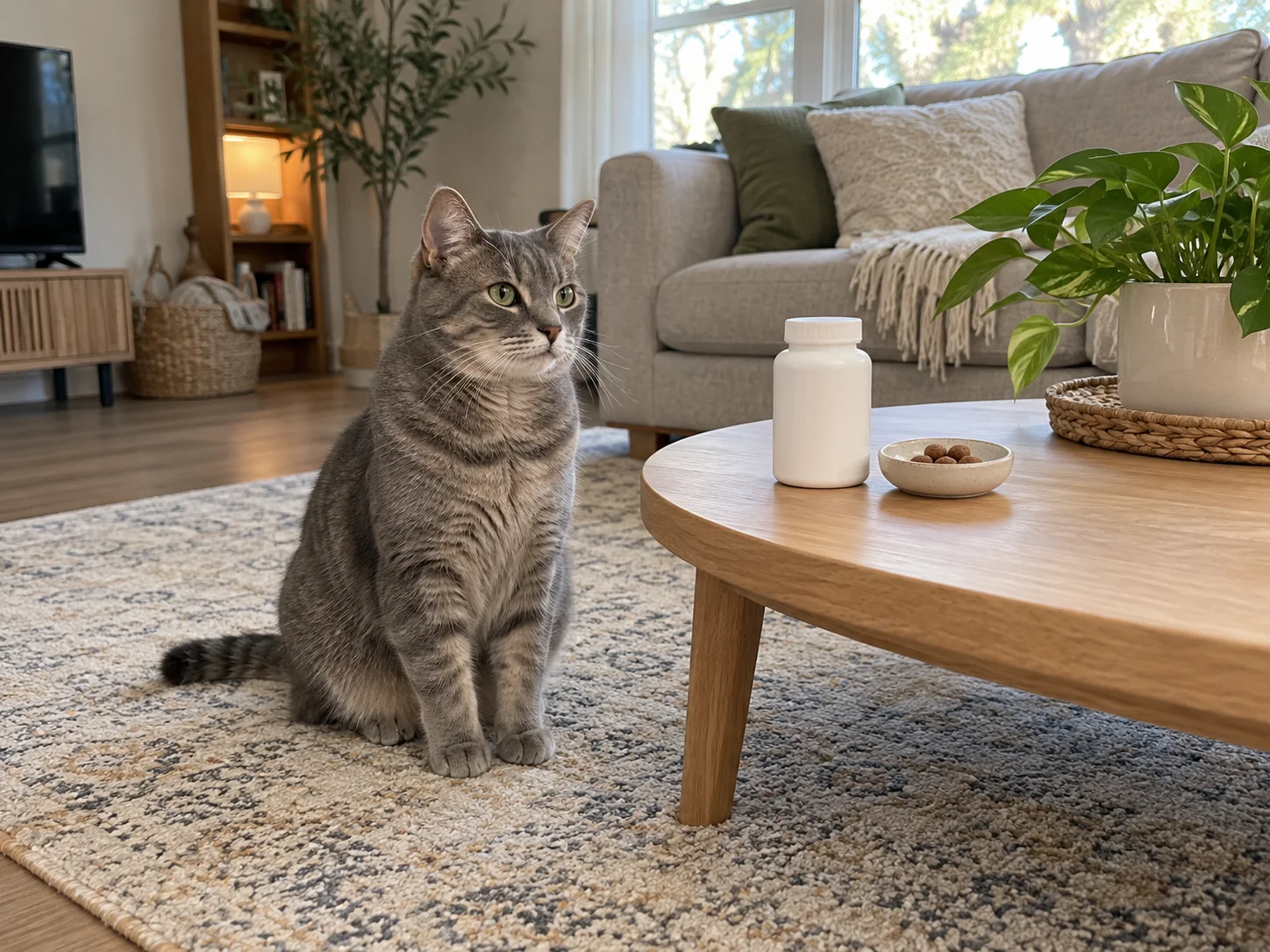
Review formula, serving, samples and packaging together.
Your cat soft-chew decisions
Plan your OEM project
Start with the intended cats, customer need and destination rather than choosing by a range name alone.
Describe the role of the first product in your brand and the cat audience it is intended to serve. Include the preferred supplement direction, ingredient priorities, physical format and retail channel.
The existing profiles provide starting references for a product discussion. Some catalogue profiles describe both dog and cat use; confirm the finished formula and use directions for the cat product you actually plan to launch.
Do not apply a universal serving based on a single body weight or assume that a dog-oriented version transfers directly to cats. Bring the species-specific questions and supporting product information into the same review.
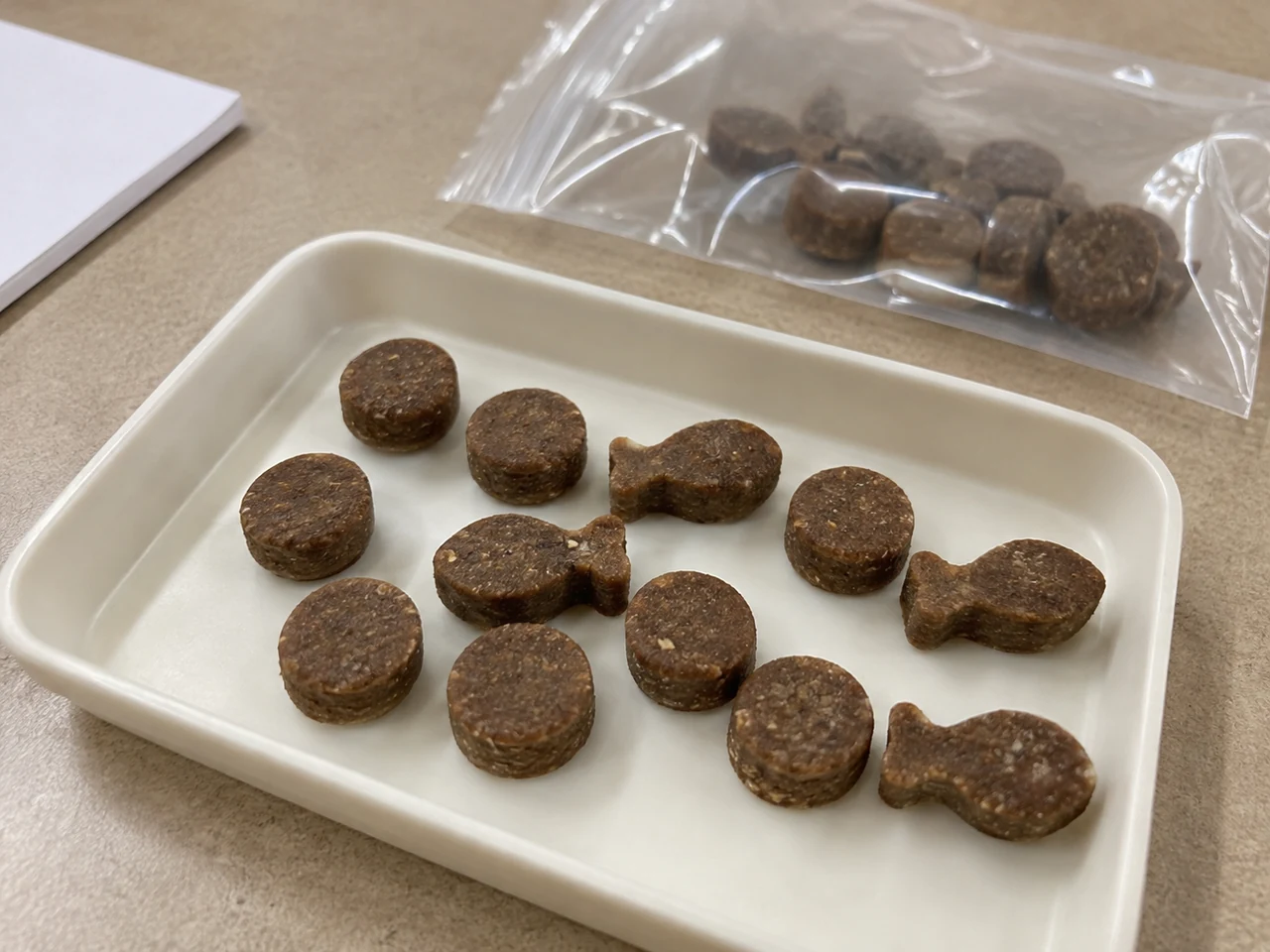
Plan your OEM project
Compare eight cat soft-chew directions as starting points for your range.
These names identify existing catalogue references and proposed range positions. They do not establish treatment outcomes, a universal serving, ingredient permission or finished-market approval for every project.
Use the profile reference when asking for the selected formula and supporting information. The ingredient amounts, piece weight, proposed daily serving and label wording need to be reviewed together for the intended cats.
| Product direction | Cat project review |
|---|---|
| Calming Soft Chews → | Calming-positioned reference; confirm the cat-specific formula, use directions and supported market wording. |
| Hairball Support Soft Chews for Cats → | Cat-labelled hairball reference; review the selected formula, intended cats and proposed wording. |
| Botanical Blend Soft Chews → | Botanical-positioned reference; review every proposed ingredient and serving for the intended cats. |
| Skin Sensitivity Soft Chews → | Skin-positioned reference; confirm the finished formula and the basis of the proposed label wording. |
| Immune Support Soft Chews → | Immune-positioned reference; review the product information and intended cat-use scope. |
| Cranberry Soft Chews → | Cranberry-positioned reference; confirm the formula, intended use and supported wording for the market. |
| Respiratory Support Soft Chews → | Respiratory-positioned reference; review the actual formula and destination classification before public claims. |
| Oral Care Soft Chews → | Oral-care-positioned reference; confirm the selected product, use directions and proposed wording. |
Plan your OEM project
Define the cat-specific product before approving the piece, flavour or label.
Existing format options are development references. Cat suitability, exact piece weight, final formula and supporting public wording are confirmed for the selected product and destination. Ingredient or botanical wording must be reviewed for the actual cat project rather than assumed from a general catalogue category.
Request the selected ingredient information and the basis of the proposed use directions. Keep ingredient amounts, piece weight and intended daily serving connected to the same product reference.
Describe the size, shape, texture and handling characteristics you want to review. Agree the physical sample questions rather than inferring the final piece from an illustration.
State the preferred flavour direction and any acceptance evaluation the project needs. Define how that question will be reviewed separately from appearance alone.
DEFINE THE FINISHED PRODUCT
Review the whole product before committing to samples or printed packaging.
Plan your OEM project
Connect the accepted chew, quantity per pack and pack information in one review.
A bottle-count example from one existing reference does not set a minimum for every cat formula, pouch or custom project. Confirm the selected product and packaging requirements against the actual SKU mix.
| Pack decision | Include in the brief | Confirm before artwork |
|---|---|---|
| Format | Bottle or pouch preference, opening and closure needs. | The suitable physical pack and product combination. |
| Pack quantity | Proposed chew count or net weight and piece reference. | The accepted quantity and product information. |
| Label versions | Destination, languages, brand details and proposed wording. | Reviewed source copy and artwork for that market. |
| Order mix | Each formula, format and artwork version with a quantity. | Separate product and packaging requirements. |
Plan your OEM project
Set the sample questions and request the specification, tests and records needed for the proposed cat product.
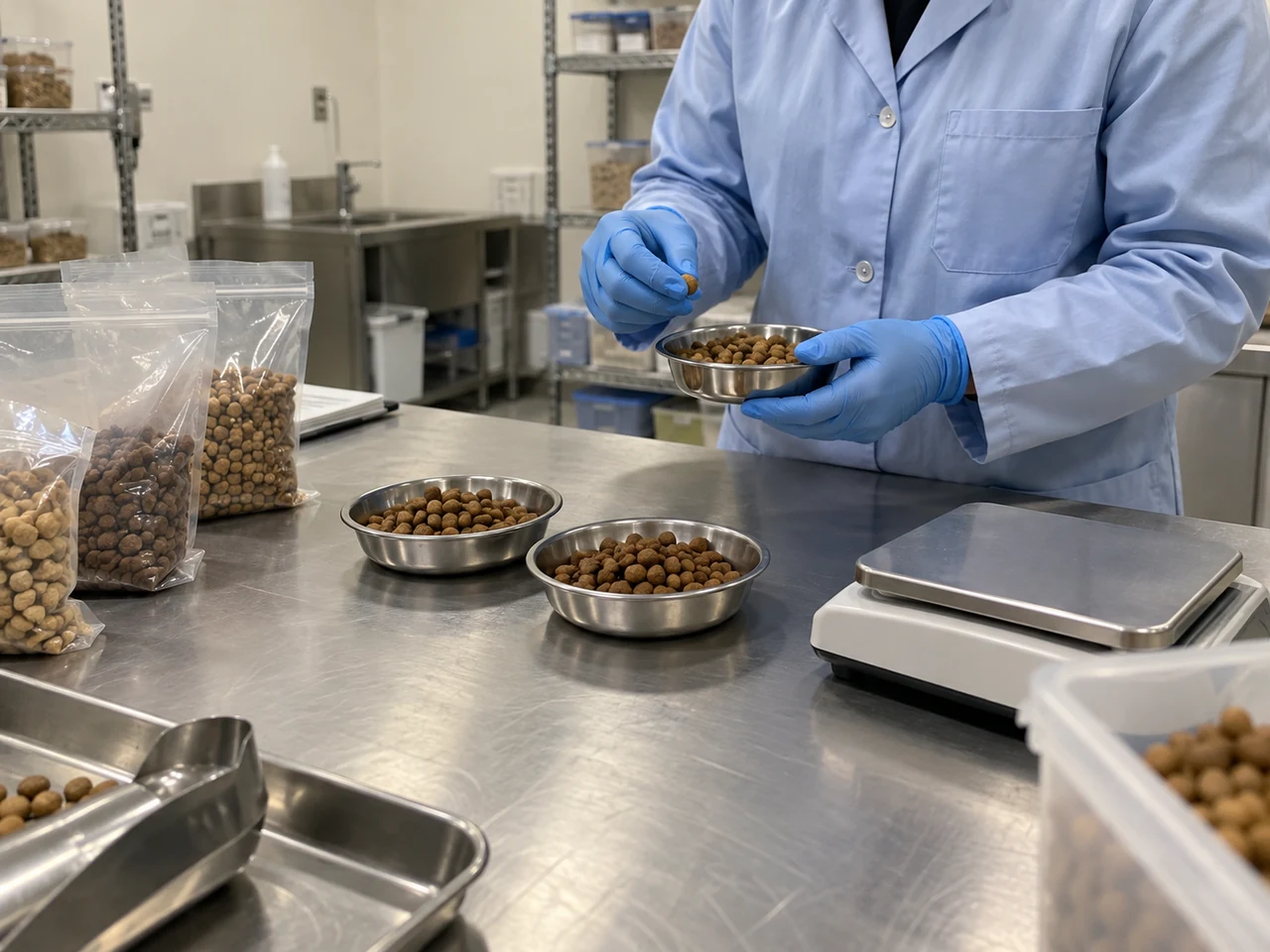
Define which characteristics a physical sample must demonstrate and which information your quality reviewer needs alongside it. Identify the sample, formula reference and packaging version in the approval record.
Review the relevant finished specification and agreed tests for the order. Keep any assessment of acceptance, stability or other performance questions within a defined evaluation scope rather than treating a generic product photo as evidence.
Confirm the batch and traceability documents needed for the project and any destination-specific requirements. A reference profile and sample acceptance do not automatically approve every proposed label claim.
Plan your OEM project
Make the product, pack and quantity assumptions visible before comparing commercial options.
Custom formula requirements, sample charges, development timing and production arrangements are project-specific questions. Mark firm requirements and optional ideas so the response can address a feasible first range.
| Enquiry input | What to provide | Review result |
|---|---|---|
| Product direction | Intended cats, destination and preferred catalogue reference or concept. | The product and formula scope for review. |
| Physical and pack requirements | Chew preferences, bottle or pouch, pack quantity and artwork mix. | The accepted sample and packaging decisions. |
| Order quantity | Estimated quantity per formula and pack version. | Applicable product and packaging minimums. |
| Open questions | Evidence, sample, document or timing questions. | A quotation with clear inclusions and assumptions. |
READY FOR THE NEXT STEP?
Share the cat group, destination, pack and quantity requirements.
Plan your OEM project
Keep the cat-specific formula review, sample and pack approvals connected.
Use the accepted references for later orders and identify changed product, pack or market requirements. A new ingredient, serving or artwork version needs its affected decisions reviewed before the earlier approval is reused.
Name the intended cats, destination, product direction and questions to resolve.
Confirm the selected formula, serving information and physical development scope.
Record the accepted product, packaging and supported label versions.
Agree the quantities, finished specification, commercial scope and production arrangements.
Plan your OEM project
Clarify species review, reference status and order scope before developing the range.
Yes. Use the linked profile as a reference for discussion, then confirm the selected formula, serving, physical format and destination requirements for the actual cat product.
Confirm the finished formula and use directions for the intended cats. A shared catalogue classification does not establish a universal ingredient permission, serving or market approval.
The proposed use directions and supporting product information need cat-specific review for the actual formula. Do not infer a universal serving from a single weight example or an illustration.
Include your physical and flavour preferences in the brief. Confirm the selected cat formula, exact piece specification and appropriate sample or acceptance evaluation for the project.
No range-wide minimum is established here. Provide the formula, bottle or pouch format, pack quantity and artwork mix so product and packaging minimums can be confirmed.
The names identify catalogue references and range positions. Review the actual formula, evidence, intended use and destination classification before approving any public benefit or medical wording.
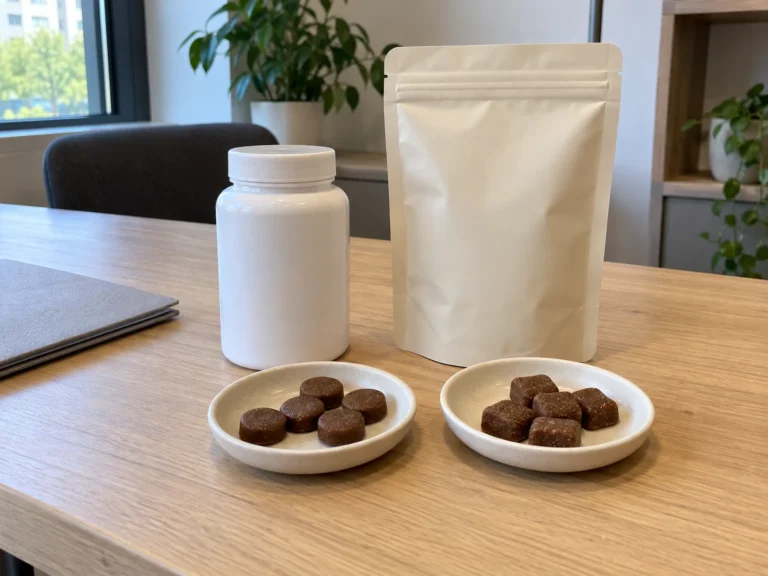
Plan custom pet soft chews by species, formula direction, shape, sample and packaging. Build a clear OEM or private label project brief with ZoePetSup.
Explore this direction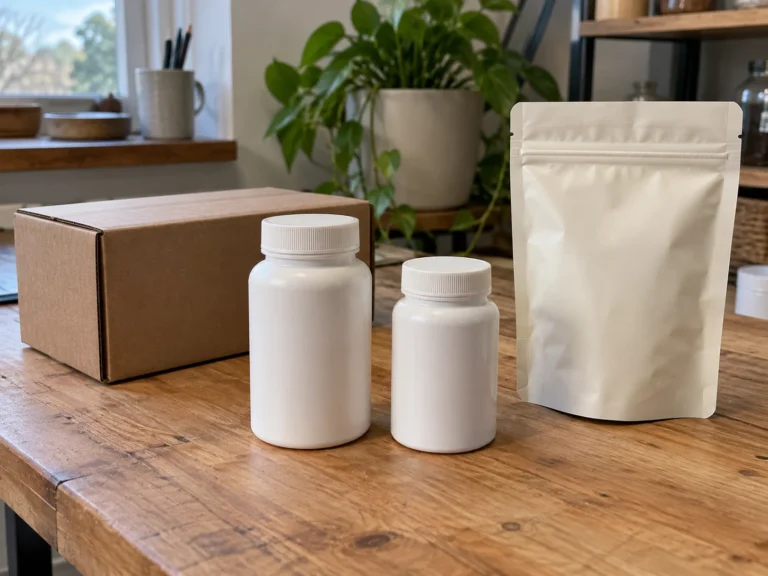
Compare soft-chew bottle and pouch requirements by product, fill, closure, label space and order quantities. Discuss your private label packaging brief.
Explore this directionStart with your requirements
Share the destination, intended cats, supplement direction, ingredient and serving questions, preferred chew format, bottle or pouch requirements and estimated quantity per SKU.
Your contact at ZoePetSup
Tell me which pet food project you are planning and what you need to confirm first. A rough brief helps us identify the next questions together.