Dry cat food · OEM & private label
Private Label Cat Food for Your Brand
Build a dry cat food range around your brand, destination market and sales channel. Connect the product direction, samples, packaging and order requirements in one clear project brief.
From an adult-cat SKU to a planned range extension, start with the decisions that affect your launch. ZoePetSup supports discussions from market requirements and product direction through sample development, pack/label confirmation, quality inspection and export coordination.
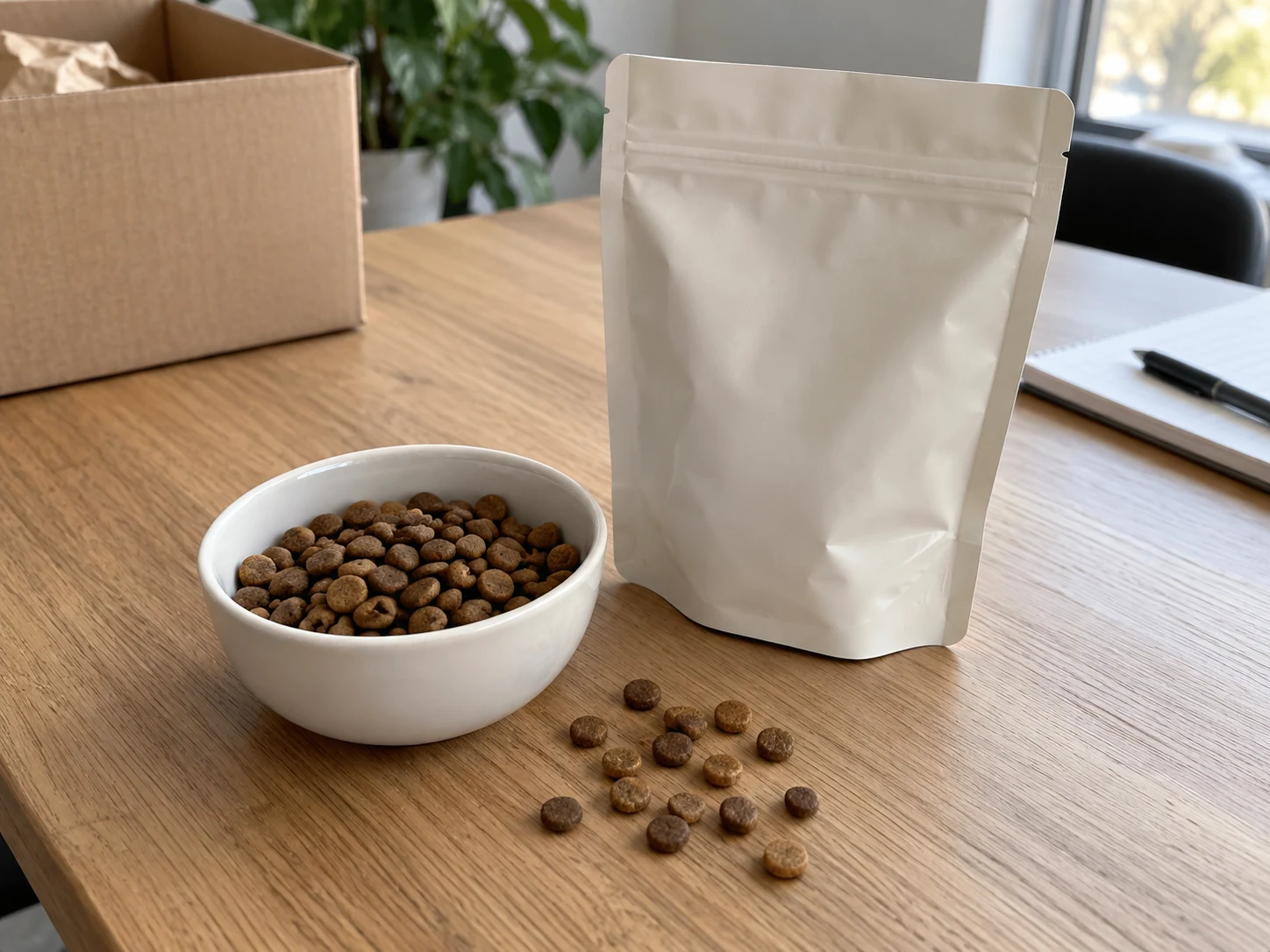
A clearer product brief.
Connect the product, pack and order requirements before the launch plan.
Plan your private label project
Start with the questions that affect your launch
Start with the range
Choose your cat food range
Build the brief around the cats you serve, the channel you sell through and the role of each SKU in your range.
For an adult-cat launch, begin with the related adult-cat product direction and define your brand positioning, flavour, kibble and pack sizes. If your range includes kitten or senior lines, list those requirements separately so each direction receives its own product and label review.
ZoePetSup discusses extruded and baked dry cat food directions. Treat the format as a development choice to confirm, alongside the intended ingredient list, final specification and project scope.
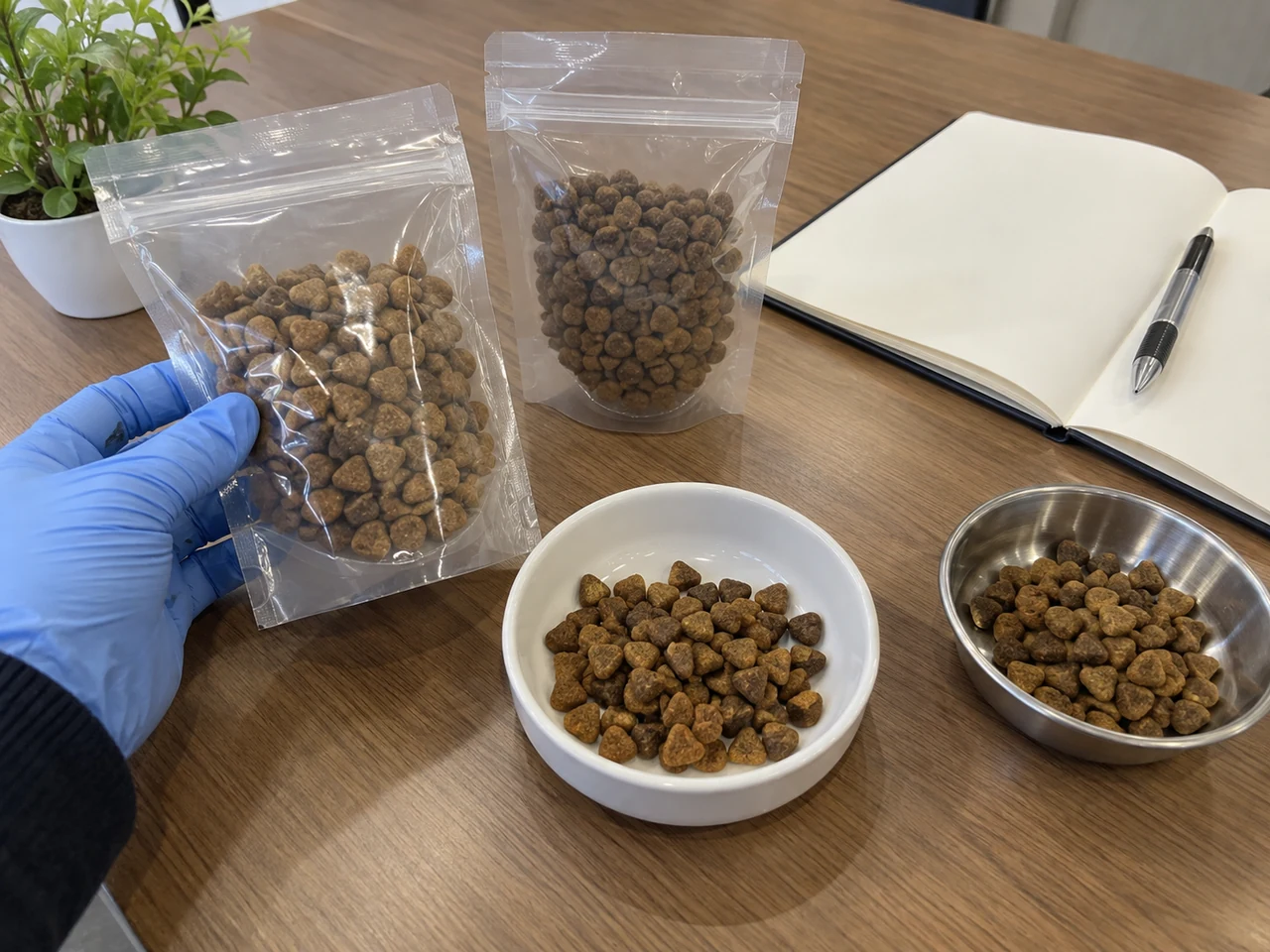
Development direction
Adult cat dry food
Plan an adult-cat SKU around your sales channel and intended positioning. Explore the connected product profile and qualitative formula reference before preparing the brief.
Explore adult cat dry food →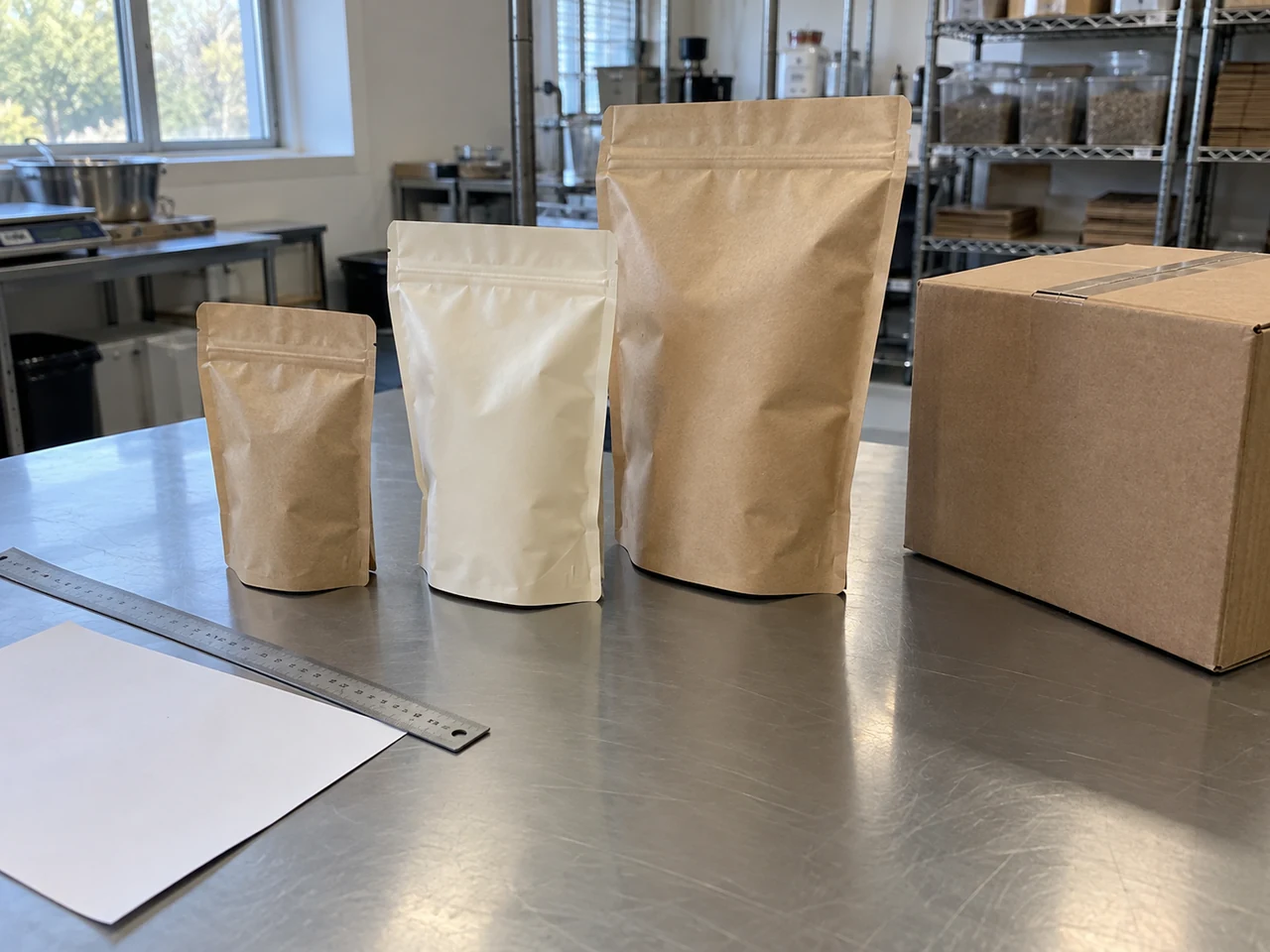
Development direction
Kitten and range extensions
Include the intended life stage and how the new SKU should differ from the rest of your range. Confirm the product specification and supporting label statements for that direction.
Discuss this direction →Not sure where to start?
Bring the brand brief. We can work through the product questions.
A market, channel and rough range plan gives the discussion a useful starting point.
Define the work before the quote
Choose the development route
Describe what is already decided and what still needs development. That makes the sample scope and quotation more useful.
A reference direction helps organise the discussion; it does not establish a finished commercial recipe. Bring an existing product brief, a target positioning or an ingredient preference list, and identify the decisions you need help resolving.
Start from a reference direction
Use the adult-cat Product and Formula pages to identify the questions that matter to your brand. Confirm the proposed product specification, samples and any changes before treating a direction as an orderable SKU.
- Intended life stage and positioning
- Preferred flavour and kibble format
- Pack size and sales channel
Refine your requirements
Explain which ingredient preferences, exclusions, kibble details or packaging choices need review. Keep essential requirements separate from preferences so feasibility and quotation discussions can be specific.
- Required versus preferred changes
- Sample evaluation criteria
- Label statements to review
Develop from your market brief
Share the destination country, customer segment and role of the proposed SKU. Agree on the product-development scope and sample work before approving the commercial specification.
- Destination and channel requirements
- Product and pack development scope
- Approval points before production
Your brand on the shelf
Make the pack work for your channel
Choose a practical pack-size direction first, then connect the artwork and label information to the approved product.
Retail directions include 400 g to 2 kg packs; family-pack directions include 3 to 5 kg; bulk-bag directions include 10 to 20 kg. These are planning directions, with the final format and order requirements confirmed for your project.
Bring your logo, proposed label language, barcode plan and any existing artwork. Confirm who supplies each item and when the final artwork will be approved. Product and packaging quantities should both be clear in the quotation.
Destination-market review matters before artwork is final. Agree on the ingredient declaration, product name, feeding information, required warnings and the documents needed to support the proposed statements.
Make the quotation actionable
Build a useful order brief
A useful quotation starts with quantity per SKU, the product direction and the packaging plan. Ask for the product and packaging requirements to be stated separately.
Dry-food MOQ, sample charges and production timing are confirmed for the proposed project. A single headline quantity would not tell you whether it applies to the product, the printed pack or the combination of several SKUs.
If the launch quantity is still uncertain, share a realistic estimate and identify which part of the range is the priority. Ask which choices most affect feasibility, cost and the order structure before committing to artwork or a launch date.
| Decision | What to share | What to confirm |
|---|---|---|
| SKU scope | Species, life stage, flavour and format for each SKU | Product specification and which choices need development |
| Order quantity | Estimated quantity per SKU and intended reorder pattern | Product MOQ, packaging MOQ and the quotation basis |
| Packaging | Pack size, format, artwork status and language | Packaging specification, print scope and approval requirements |
| Destination & timing | Country, sales channel and target launch window | Document requirements, production timing and shipping scope |
Approve the right things
Know what you are approving
Agree on the sample scope and review criteria before sample work begins, then record the decisions that carry into the order.
Sample development sits between the product brief and pack/label confirmation in the OEM workflow. Confirm the sample fee, timing, shipping arrangements and the review process for your project.
Define the sample request
Specify the proposed life stage, format, flavour, kibble preferences and the questions the sample needs to resolve. Tell us if the sample is for internal product review, packaging evaluation or another agreed purpose.
Review against your brief
Assess the agreed appearance, odour, handling and product characteristics. Keep your feedback specific and separate mandatory changes from preferences. Agree on any feeding evaluation with your own team.
Record the approved specification
Keep a clear record of the accepted sample, final product specification and artwork version. Confirm how any further change will be reviewed before bulk production.
Ask for relevant evidence
Review checks and supporting documents
Review the checks and documents that apply to your proposed product and order, rather than relying on a generic badge or factory image.
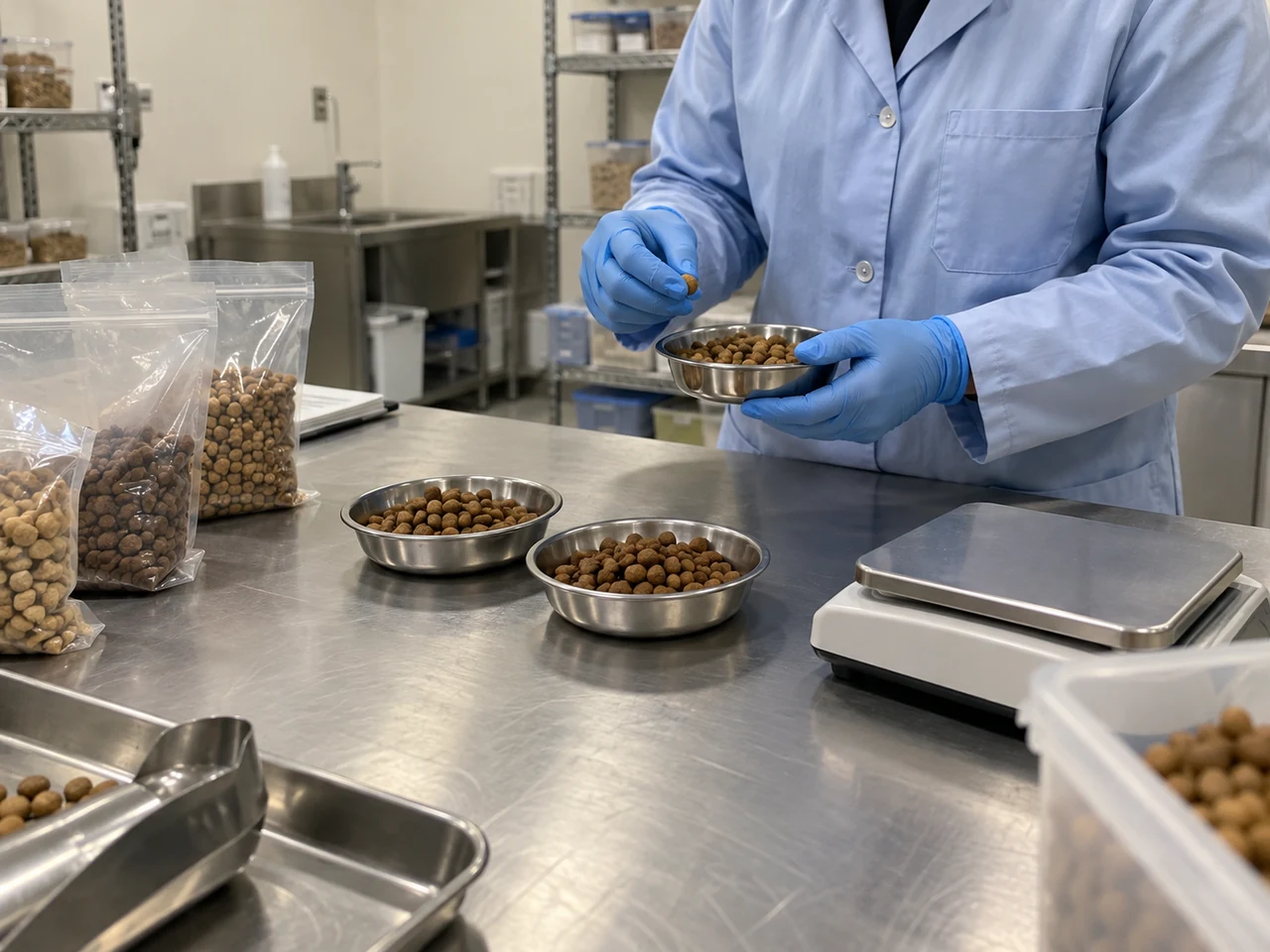
The quality process covers raw material inspection, weighing and mixing, kibble forming, drying and moisture control, coating uniformity, packaging and weight checks, finished-product testing, retained samples and batch traceability.
Discuss the agreed test specification, including protein, fat, fibre, ash, moisture and the relevant microbiological items. Ask how the batch will be identified and which test or inspection records will accompany the order.
Request current system and registration documents where relevant, including ISO 22000, HACCP, GACC and CFSI information. Review the issuer, validity and covered scope. Destination-specific certificates and acceptance are confirmed for the project; a process illustration is not a certificate or batch record.
Plan the launch around confirmed decisions
Connect the product, pack and order before setting the launch plan.
Tell us what is fixed, what is flexible and which approval you need next.
A clear path to the first order
From your brief to a first order
Move through six project stages, with the product, sample and artwork decisions confirmed before bulk production.
Use the first discussion to identify missing inputs and the approvals needed for your launch. Timing is confirmed against the agreed scope and order, so the brief should include your target window rather than assume a standard lead time.
STEP 01
Market requirement
You share destination country, sales channel, life stage, brand positioning and the intended range. We discuss the scope and the information needed next.
- You provide
- Market, channel and range brief.
- We confirm
- The questions and inputs needed for the proposed project.
STEP 02
Product & formula direction
Review the format, ingredient preferences, flavour and kibble direction. Confirm which choices need development and how the specification will be agreed.
- You provide
- Essential requirements and preferences.
- We confirm
- Product-development scope and the proposed direction.
STEP 03
Sample development
Agree on sample scope, charges, timing and evaluation criteria. Review feedback and record the product decisions for the next stage.
- You provide
- Sample request and review criteria.
- We confirm
- Sample arrangements and feedback/approval steps.
STEP 04
Packaging & labels
Connect pack size, artwork and label language to the agreed product. Confirm the final versions and destination-related requirements before production.
- You provide
- Logo, artwork inputs and intended pack sizes.
- We confirm
- Packaging scope and the artwork approval requirements.
STEP 05
Production & inspection
Produce against the agreed order and quality specification. Confirm the required inspections, test records, batch identification and release checks.
- You provide
- Approved product, artwork and order terms.
- We confirm
- Production and quality-check scope for the order.
STEP 06
Documents & shipping
Confirm the order-specific document set and shipping responsibilities. Common document discussions include invoice, packing list, origin, analysis and product specification.
- You provide
- Destination and shipping requirements.
- We confirm
- Applicable documents and shipping coordination scope.
Before you send the brief
Questions before you start
Use these answers to prepare the first discussion. Commercial terms and final product requirements are confirmed for your project.
01What should I send to request a private label cat food quotation?
02Is there one fixed minimum order for every dry cat food project?
03Can I use the Formula page as my finished product specification?
04Can I discuss baked cat food as well as extruded kibble?
05How long do samples and production take?
06Can the label be prepared for my destination market?
07Will I receive documents for the order?
08How do I add kitten food or another SKU later?
Explore product directions
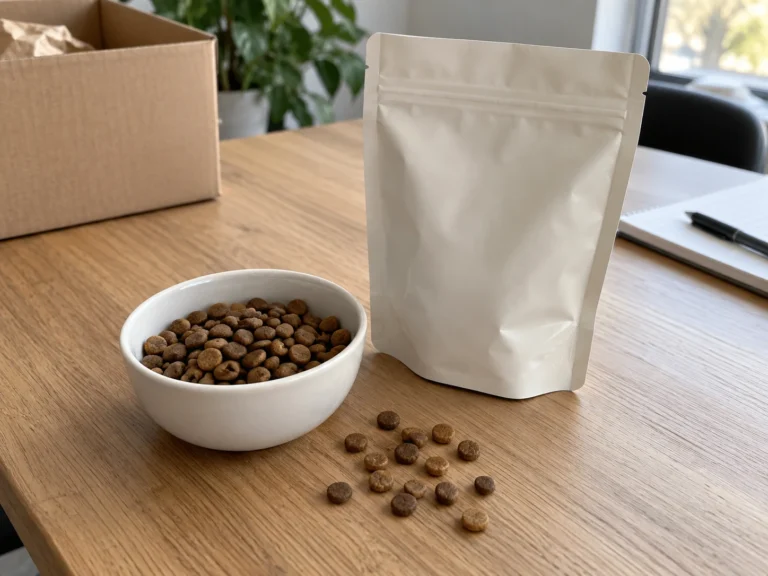
Adult Cat Dry Food OEM & Private Label
An adult-cat dry food development direction for brand owners and importers, with project-specific formula, kibble, flavour and packaging choices.
Explore this direction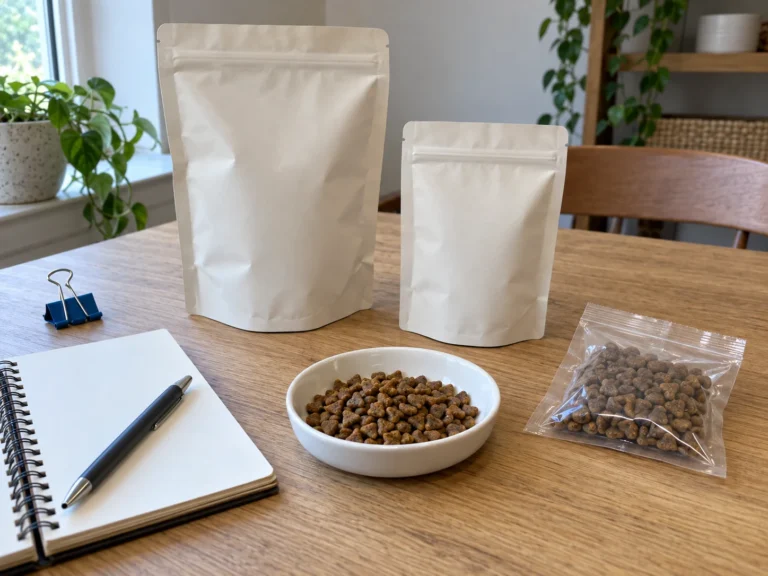
Kitten Dry Food OEM & Private Label
A kitten dry food development direction for brands planning a growth-stage SKU, with product specification, kibble and packaging reviewed for the project.
Explore this direction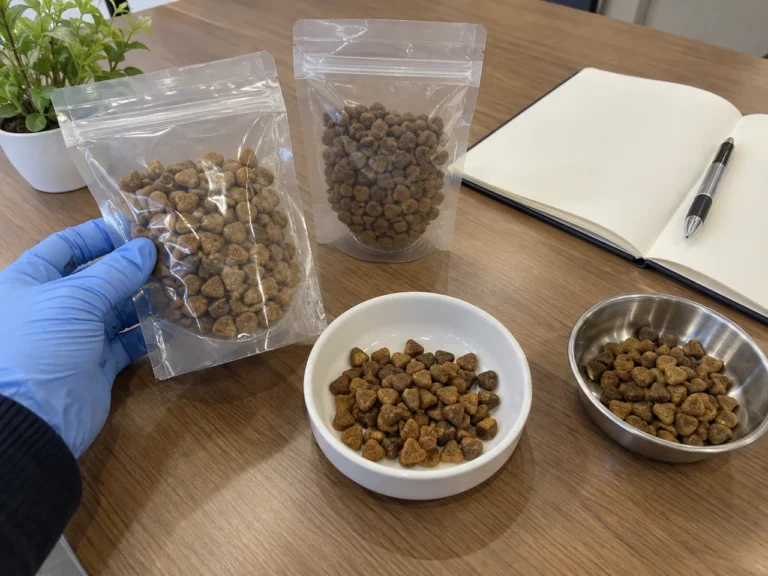
Continue planning your project
Custom Dry Cat Food for Your Brand
Develop a custom dry cat food SKU around your market, life stage, ingredients, kibble and packaging. Discuss samples and your product brief with ZoePetSup.
Explore this direction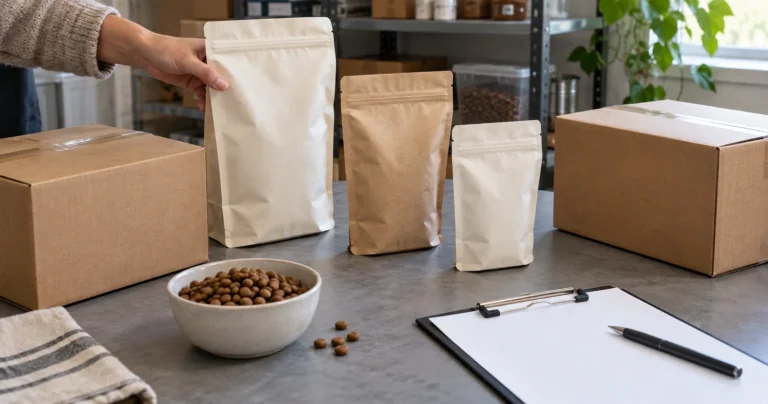
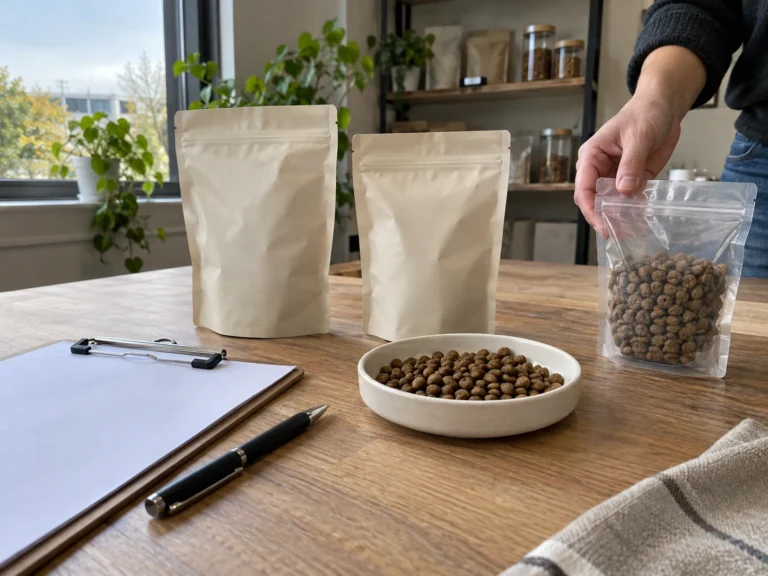
Pet Food MOQ and Order Planning
Understand pet food MOQ by product, packaging and SKU mix. Prepare a practical first order brief and confirm project-specific quantities with ZoePetSup.
Explore this directionPlan your product range
Choose the next direction for your cat food range
Start with the buyer need and intended channel. These development briefs explain what to discuss, what to sample and which supporting information to prepare.
Indoor Cat Food OEM & Private Label
Position an indoor-cat range around the channel, kibble sample and packaging brief.
Review this brief →Hairball Control Cat Food OEM
Define a hairball-focused daily-food brief and the evidence needed for proposed wording.
Review this brief →Sensitive Stomach Cat Food OEM
Review ingredients, traceability and sample evaluation for a digestive-support positioning.
Review this brief →Skin & Coat Cat Food OEM
Connect skin-and-coat positioning with ingredient specifications, packaging and evidence.
Review this brief →Senior Cat Dry Food OEM & Private Label
Plan senior-cat positioning, sample acceptance and a linked formula discussion.
Review this brief →Start with your requirements
Tell Arlo about your cat food project
Share your destination country, product direction, intended pack sizes and estimated quantity per SKU. Mention the questions you need to resolve first, and we will review the brief with you.
Your contact at ZoePetSup
Hi, I’m Arlo.
Tell me which cat food project you are planning and what you need to confirm first. A rough brief helps us identify the next questions together.
- Destination market and sales channel
- Life stage, product and flavour direction
- Pack sizes and quantity per SKU
- Artwork status and target launch window