Pet soft chews · formula feasibility brief
Soft Chew Ingredient Planning
Prepare a soft-chew ingredient brief that connects your product concept with species, serving, physical format and target-market requirements.
Bring ZoePetSup the ingredients and product priorities you want to discuss. A clear brief helps separate essential requirements from options and identify the formula, sample and supporting-information questions that need review.
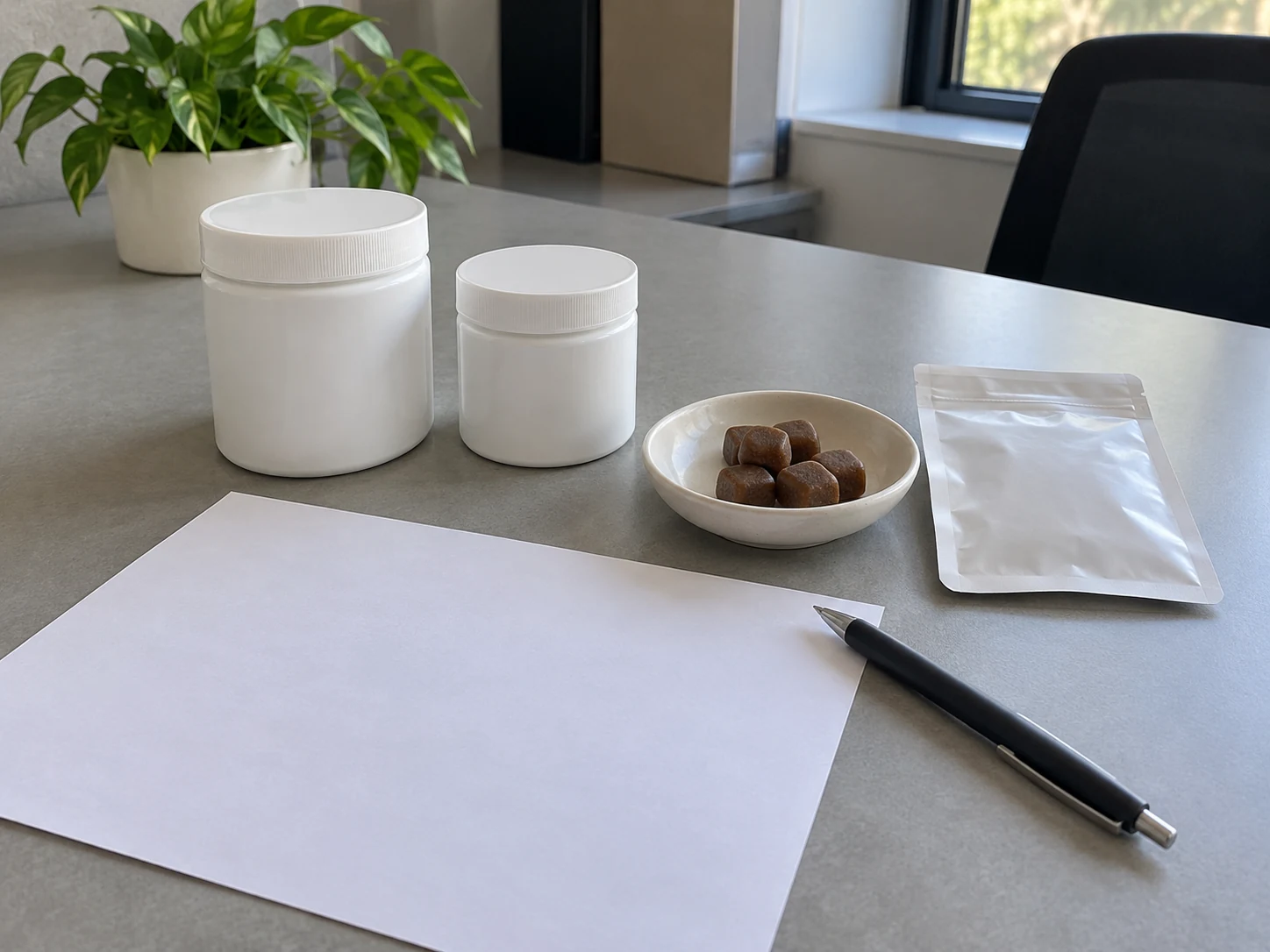
Connect the material, intended use and finished-chew requirements.
Your ingredient planning decisions
Build a useful ingredient feasibility brief
Plan your OEM project
Define the product before the ingredient list
Start with the intended pets, market and product position so ingredient requests have a clear purpose.
Identify whether the product is intended for cats or dogs and describe the relevant life-stage or animal-size context. Keep the product direction and proposed use clear before discussing a long list of ingredients.
Soft-chew project directions include digestive, joint, skin and coat, multivitamin, calming and other range positions. The formula and proposed wording are reviewed for the selected species and destination; a range name does not define the finished composition.
Explain which requirements are essential to your brand and which are preferences. If you are using an existing product or formula as a reference, identify the reference and the characteristics you want to discuss.
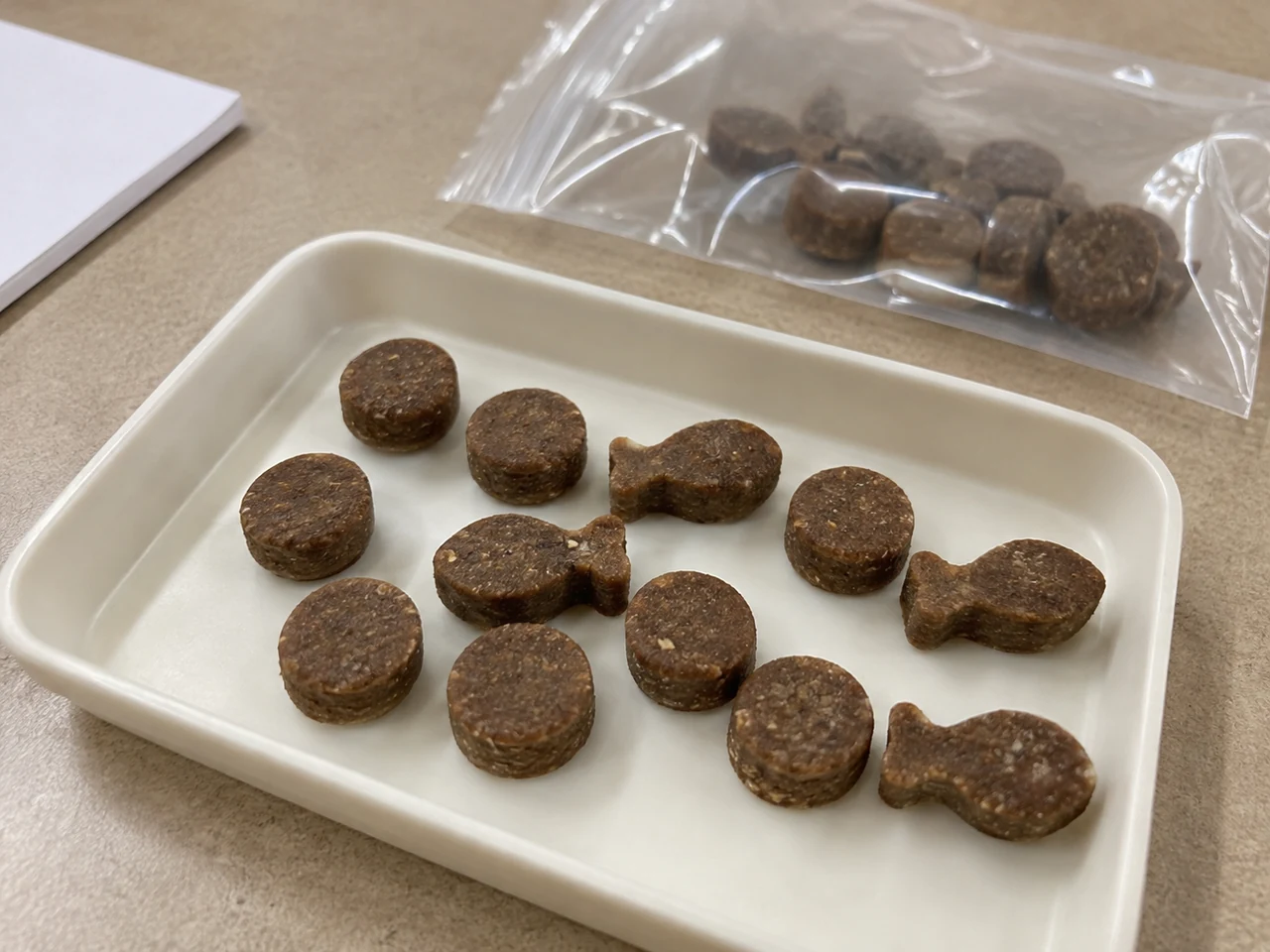
Plan your OEM project
Make each ingredient request specific
Provide enough detail to identify the requested material and its intended role in the product.
A common name or marketing phrase may leave the requested material unclear. Where a particular material form or specification is important, provide the available detail instead of assuming that every version is interchangeable.
Keep commercial sourcing questions separate from approval of the complete finished product. Ingredient availability, documentation, formula fit and intended market use all need confirmation for the selected project.
| Brief input | What to provide | Question to resolve |
|---|---|---|
| Ingredient identity | Specific name and the material or form you intend to use. | Are both parties discussing the same ingredient? |
| Specification | Available supplier information and relevant material requirements. | Which characteristics need confirmation for the project? |
| Proposed use | The intended role and any proposed quantity or serving assumptions. | How does it fit the complete selected formula? |
| Requirements and exclusions | Ingredients or features that are essential, preferred or excluded. | Which choices can be reviewed if a constraint arises? |
| Market and wording | Destination and the selling points you intend to communicate. | Which product information and market review are needed? |
Plan your OEM project
Review ingredients in the complete chew
Connect the ingredient proposal to the serving, physical sample and pack you want to develop.
A requested ingredient does not by itself define a finished soft chew. Discuss priorities as a complete product so a change to one element can be reviewed against the sample, serving, pack and proposed wording.
Formula and intended use
Identify the proposed ingredients and use context together. Ask what product information your reviewer needs to assess the selected combination and serving.
Physical sample
Describe the intended piece weight, shape, texture and flavour direction. Confirm which sample questions need to be resolved before choosing the final format.
Product and market story
Submit the wording your brand wants to use and the supporting basis you expect. Keep the claims and label review linked to the actual formula and destination.
DEFINE THE REQUIREMENTS THAT MATTER
Review the complete product proposal.
Connect ingredient priorities to the sample, serving and proposed label wording.
Plan your OEM project
Ask for the information your reviewers need
Agree the documents and product references needed for the feasibility and quality discussion.
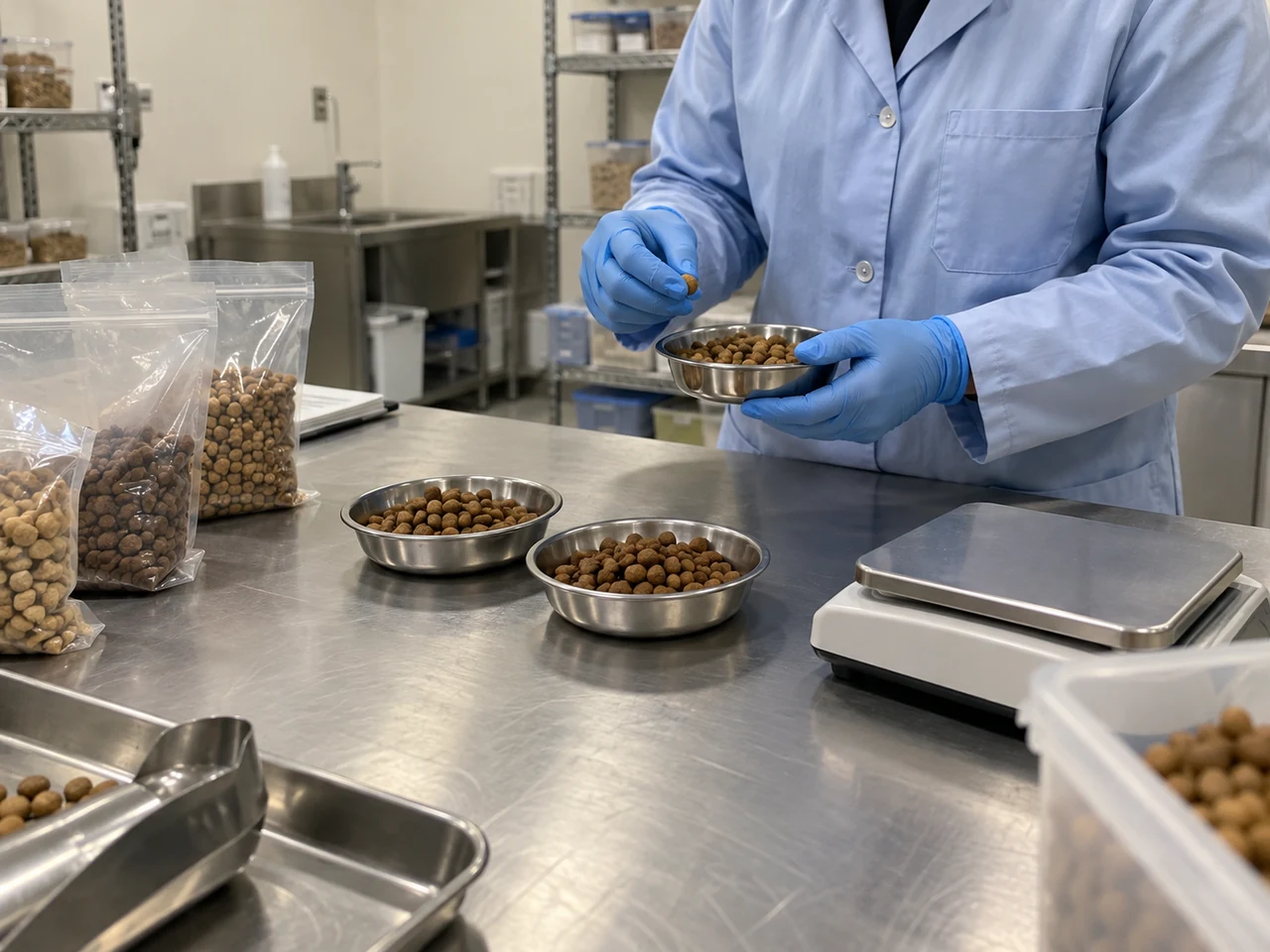
Tell us which ingredient, formula and finished-product information your product or quality team needs. Identify the relevant material specification, supplier information, proposed test scope or other evidence requested for review.
Distinguish a material document from a finished-product specification or batch result. Confirm the item, version and scope each record covers so a document is not used to answer a different question from the one it supports.
If your importer or adviser has specific ingredient or wording requirements, send those requirements early. The selected formula and destination need their own review rather than assuming that an ingredient used in another product or market is automatically suitable.
Plan your OEM project
Keep the priorities clear when a proposal changes
Show what is essential and what needs a fresh decision if the ingredient proposal is revised.
Record a proposed substitution or formula adjustment against the current reference. Agree who reviews the change and which sample, document or label questions need to be resolved before approval.
Do not silently carry an earlier product description into a revised proposal. The accepted ingredient and formula information should remain connected to the current product and pack.
| Priority | How to describe it | What to review after a change |
|---|---|---|
| Essential material | Identify the ingredient and specification requirement. | Whether the proposed material still meets the stated need. |
| Product characteristic | Explain the sample or use requirement important to the range. | The effect on the piece, formula and serving discussion. |
| Label position | Provide the proposed wording and its supporting basis. | Whether product information and wording remain aligned. |
| Pack and order | State fill, container and quantity assumptions. | Any effect on the pack review and commercial scope. |
Plan your OEM project
Prepare one complete feasibility request
Send the ingredients with the product context needed to review them.
You do not need a finished label or complete development package to start a discussion. Send the information you have and name the questions still open. A focused request is more useful than a list of ingredients with no species, serving or market context.
Define the range
Identify species, destination and intended product direction.
List the inputs
Provide ingredient identities, specifications and exclusions.
Connect the format
Explain proposed use, piece, flavour and packaging priorities.
Agree the next review
Identify missing information and the sample or specification decisions.
READY FOR THE NEXT STEP?
Keep changes linked to the current reference.
Identify the information and approvals needed for the revised proposal.
Plan your OEM project
Soft-chew ingredient planning questions
A useful ingredient enquiry identifies the material and the product it is intended to become.
01Can we request particular ingredients?
Send the ingredient identities, available specifications and intended product context. Availability, formula fit and destination requirements need review for the selected project.
02Is an ingredient suitable for every pet species?
Review the intended species, formula and proposed use independently. Do not assume that use in another product, species or market establishes suitability for your range.
03Do we need a complete formula before contacting you?
A clear concept and ingredient-priority brief can start the discussion. Identify what is essential, what can be reviewed and which product questions remain open.
04What supporting information should we provide?
Include material specifications or supplier information you have, the intended role, any proposed serving assumptions, exclusions and market or label requirements.
05Can the ingredient brief affect shape and packaging?
Review the ingredient proposal with the complete formula, physical sample, proposed serving and pack. Confirm the selected combination rather than deciding each part in isolation.
06How should an ingredient change be approved?
Identify the proposed change against the current reference and agree the affected formula, sample, document and wording reviews with the responsible contacts.
Continue planning your project
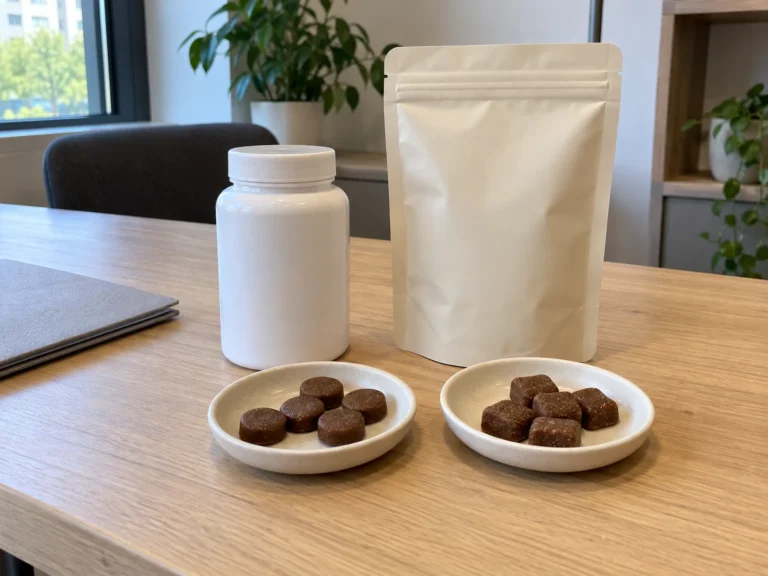
Custom Pet Soft Chew Development
Plan custom pet soft chews by species, formula direction, shape, sample and packaging. Build a clear OEM or private label project brief with ZoePetSup.
Explore this direction
Soft Chew Stability and Packaging Planning
Plan soft-chew stability questions around the selected formula, pack and storage conditions. Review evidence needs before confirming product information.
Explore this directionStart with your requirements
Tell Arlo about your soft-chew ingredient priorities
Share the intended species, destination, product direction, requested ingredients and any exclusions. Include available specifications, proposed use or serving information, desired piece and pack format, and quantities for review.
Your contact at ZoePetSup
Hi, I’m Arlo.
Tell me which pet food project you are planning and what you need to confirm first. A rough brief helps us identify the next questions together.
- Destination market and sales channel
- Life stage, product and flavour direction
- Pack sizes and quantity per SKU
- Artwork status and target launch window