DRY DOG FOOD · PRODUCT DEVELOPMENT
Custom Dry Dog Food for Your Brand
Develop a dry dog food range around the life stage, breed-size audience, product priorities and pack plan that matter to your brand.
Bring a focused development brief to ZoePetSup. Connect the adult dog or puppy product direction to ingredient preferences, kibble samples, packaging and a practical first SKU mix before requesting a scoped quotation.
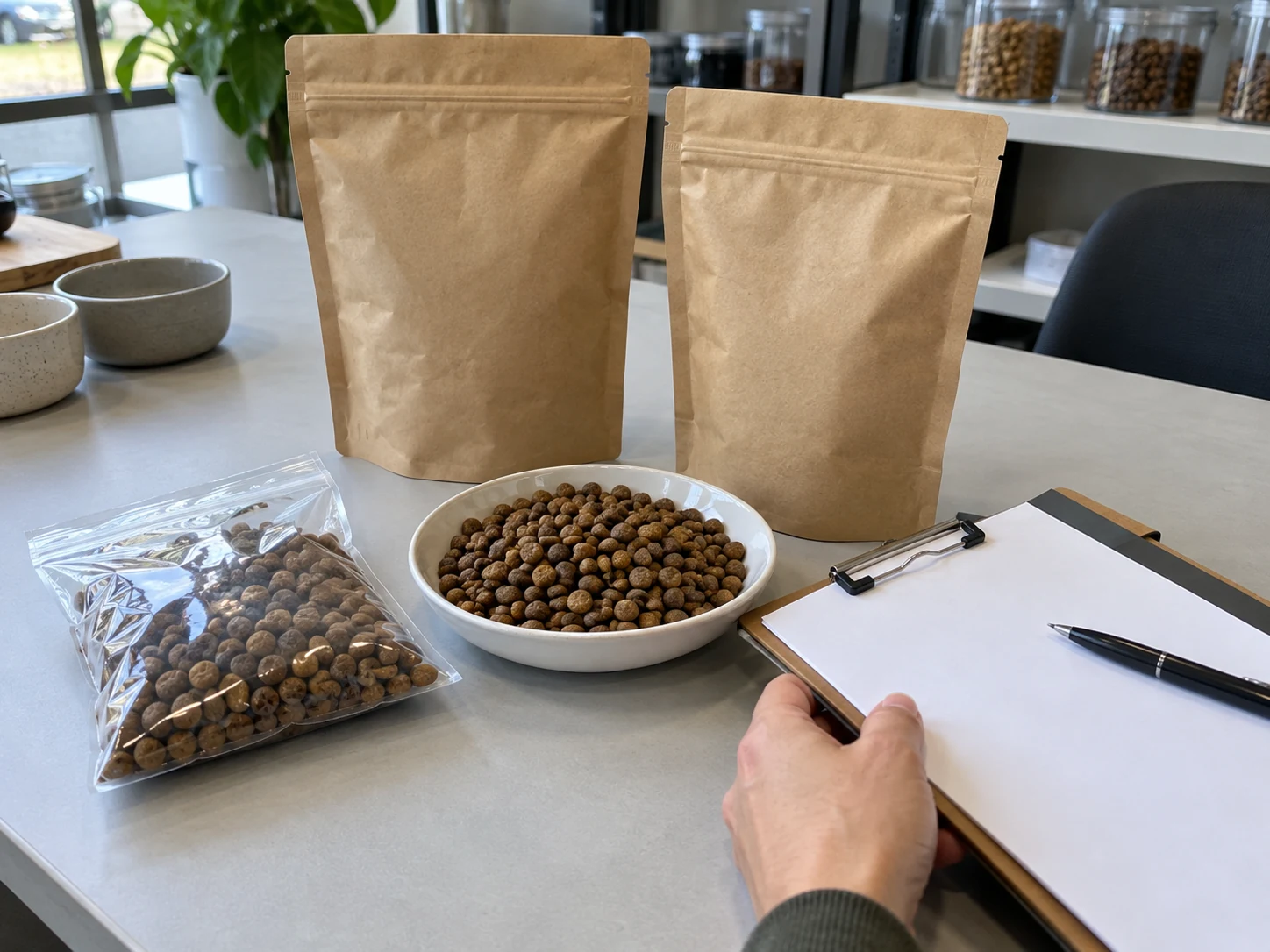
Connect range priorities, kibble samples and pack decisions before your first order.
Your development decisions
Build a clearer custom dog food brief
START WITH THE RANGE
Define the dog food range
Define the life stage, breed-size range and commercial role of the product before choosing its individual details.
Start with the destination country, sales channel and intended dog food range. State whether the first SKU is for adult dogs or puppies and which breed-size audience you want to serve. A new retail brand, an extension to your range and a working-dog concept may need different priorities in the development discussion.
Explain where the product will sit in your range: value, mainstream, premium-style or a proposed working line. Add intended pack sizes, a quantity estimate and the launch window if known. These inputs give ingredient, kibble and packaging decisions a commercial context without treating a positioning label as a finished specification.
PRIORITISE THE LAUNCH
Choose a practical first SKU mix
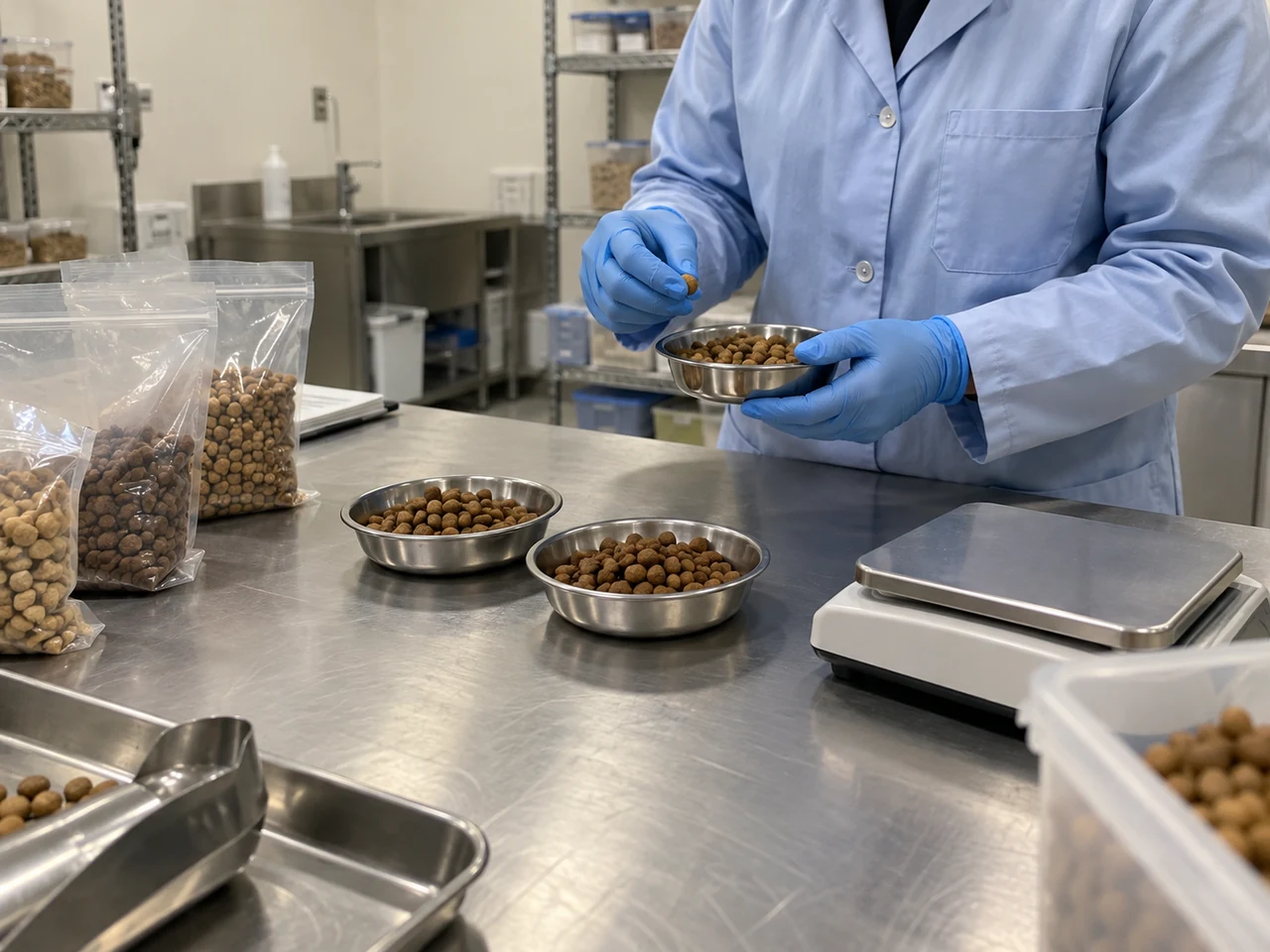
Choose a manageable first order by showing the purpose and estimated quantity of every proposed SKU.
Every combination of life stage, flavour, kibble direction and pack size should have a reason to exist in the launch range. Identify the core SKU first, then separate essential variants from ideas that can wait for a later order. A clear priority list makes the quotation and sample scope easier to review.
Keep product quantities and packaging quantities visible. Discuss whether a proposed pack or flavour creates a separate order requirement rather than assuming every combination can share one minimum. The final order mix is confirmed in the project quotation.
| Range decision | Useful brief input | Approval question |
|---|---|---|
| Core adult-dog SKU | Audience, positioning, flavour and primary pack size | Which product is essential to the first launch? |
| Puppy SKU | Separate life-stage and intended breed-size brief | Which specification and label information need their own review? |
| Breed-size variant | Proposed kibble differences and expected quantity | Does the variant require a separate sample and product specification? |
| Second pack size | Pack format, artwork status and quantity estimate | What product and packaging order requirements apply? |
MAKE SAMPLES COMPARABLE
Review kibble by breed-size range
Use breed-size preferences to define a sample comparison, then confirm the accepted kibble for each proposed SKU.
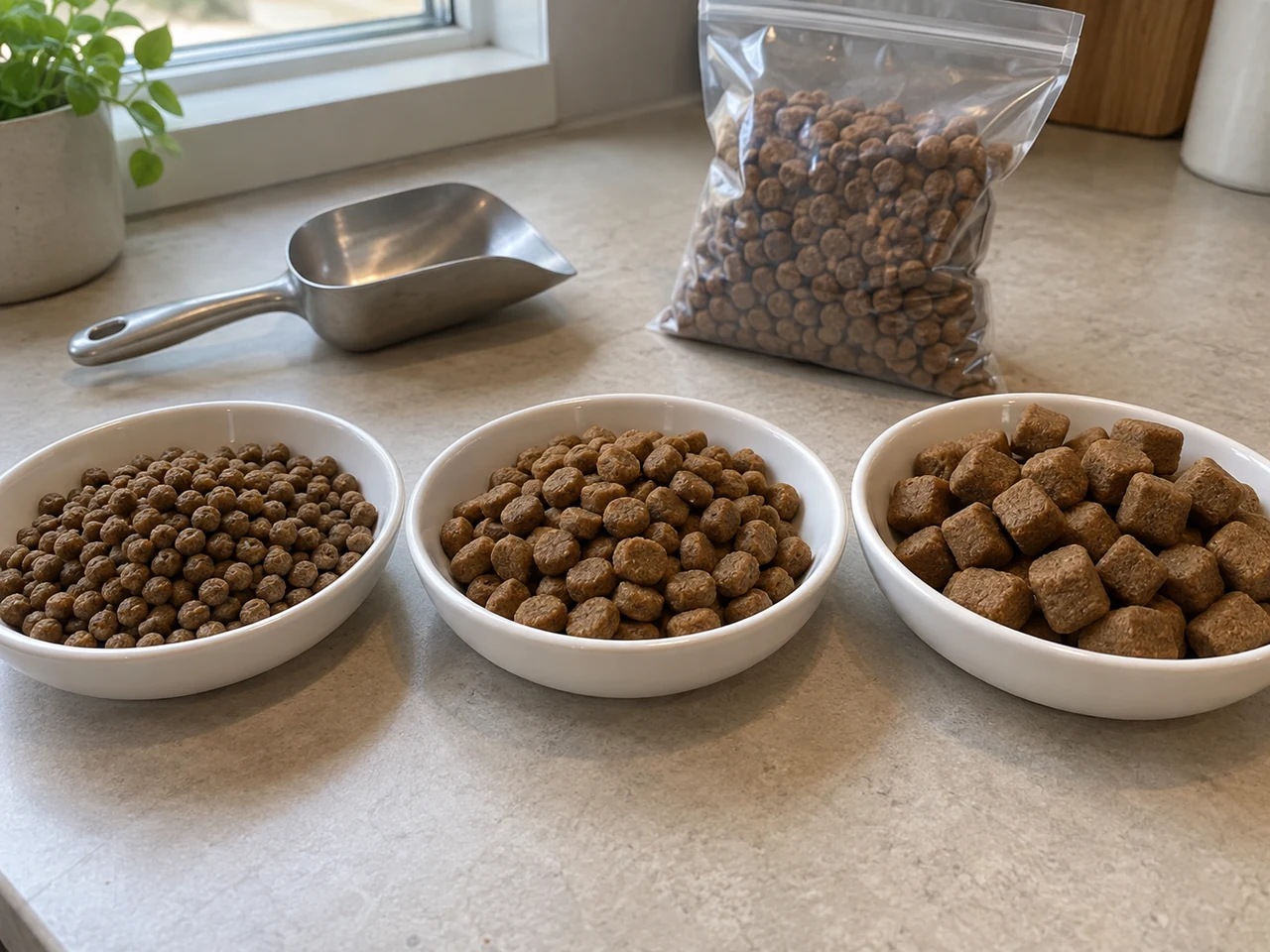
Discuss small-, medium- or large-breed kibble directions with the intended adult or puppy range in mind. Describe the size and shape you want to compare, along with appearance, odour and handling. If you have a reference sample, explain the attributes you want the development team to consider.
A photograph can start the discussion, but the accepted physical sample is the practical approval point. Record the selected version and any changes requested. Keep flavour and ingredient declaration questions alongside the sample brief so a visual preference does not become an unsupported pack statement.
MAKE THE DEVELOPMENT BRIEF USEFUL
Show us the SKU mix your first launch needs.
Separate the core product from optional variations so the sample and quotation scope stays clear.
WRITE A USEFUL FORMULA BRIEF
Make the formula brief specific
Make ingredient preferences, flavour and intended positioning specific enough to review against a defined product brief.
List mandatory requirements separately from preferences. Discuss chicken, beef, lamb or fish flavour directions and explain any ingredient sources or exclusions that matter to your brand. The final ingredient list, nutrient specification and pack statements are reviewed for the agreed project.
Adult dog range
Connect the formula direction to the intended breed-size audience, channel and brand positioning. Use the qualitative reference to organise the questions for your specification review.
- Life-stage and audience brief
- Ingredient preferences and exclusions
- Flavour and sample requirements
Puppy range
Prepare a distinct development brief for the puppy SKU, including its intended breed-size range. Review its specification and label information separately from adult dog food.
- Puppy life-stage brief
- Intended breed-size range
- Separate specification and pack review
Active or working direction
Explain the intended role in your range and the product characteristics you want to discuss. Confirm the agreed specification and support for proposed statements before commercial approval.
- Intended product positioning
- Requirements ranked by priority
- Agreed specification and label support
CONNECT PRODUCT AND ORDER
Put cost priorities in the brief
Bring your cost priorities into the same brief as the product, pack and order mix so the quotation answers the right questions.
Describe which requirements are fixed and which can be discussed. If a pack format, ingredient preference or number of variants is flexible, state that clearly. Ask the quotation to identify the agreed scope rather than comparing prices attached to different assumptions.
Dry dog food pack directions include retail packs from 1 to 3 kg, family packs from 5 to 8 kg and bulk bags from 10 to 20 kg. Select the direction around your sales channel, handling and estimated quantity. Confirm the final format, artwork requirements and commercial terms for the order.
| Priority | What to explain | What to confirm |
|---|---|---|
| Product positioning | Intended range role and essential characteristics | Agreed product direction and final specification |
| Ingredient choices | Requirements, exclusions and flexible preferences | Feasibility and the quotation scope |
| SKU and pack mix | Quantity per flavour, life stage and pack size | Separate product and packaging requirements |
| Development work | Sample scope and the feedback your team needs | Sample charge, timing and approval responsibilities |
AGREE THE HANDOFF
Set the approval milestones
Approve the sample, specification, packaging and order inputs as connected milestones before production.
Agree who gives feedback and who approves each stage. Keep a version reference for samples and artwork so changes remain traceable. The review sequence below helps your team send clear decisions instead of reopening already settled points at the order stage.
Confirm the brief
Align destination market, life stage, breed-size range, product priorities and the proposed SKU mix.
Review the sample
Compare the agreed kibble, flavour direction, appearance and handling. Give specific feedback against the requested version.
Approve specification and pack
Connect the accepted product to its ingredient declaration, agreed test scope, label information and artwork version.
Confirm the order
Settle quantities per SKU, product and packaging requirements, commercial terms, production timing and shipping inputs.
READY FOR THE NEXT STEP?
Bring each approved decision into the order brief.
Connect the accepted sample, specification, artwork and quantity per SKU.
BEFORE YOU COMMIT
Questions before custom development
Resolve the remaining project-specific questions before treating a development direction as an approved product.
01Can I develop adult and puppy dog food together?
Yes. List each life-stage SKU separately with its intended breed-size range, pack size and estimated quantity. Each product needs its own specification and label review before approval.
02Can I discuss small-, medium- and large-breed kibble?
These are available development directions. Describe the intended range and the kibble attributes you want to compare, then agree the sample and approval scope for each proposed SKU.
03Can you review ingredient exclusions or a preferred flavour?
Include them in the brief and rank mandatory requirements separately from preferences. Discuss chicken, beef, lamb or fish directions; feasibility and the final ingredient declaration are confirmed for the project.
04Does a formula reference provide the finished recipe?
No. The reference helps structure the product discussion. Exact ratios, final nutrient values and any customer-specific recipe belong to the project specification review.
05What are the MOQ, sample cost and lead time?
These dry-food terms are confirmed against your product direction, sample scope, packaging and quantities per SKU. Request a quotation rather than assuming one standard set of terms applies to every range.
06What should I send for the first quotation discussion?
Send the destination country, sales channel, life stage, breed-size range, positioning, flavour and ingredient priorities, planned pack sizes and estimated quantity per SKU. Add artwork status and your target launch window if known.
Explore product directions
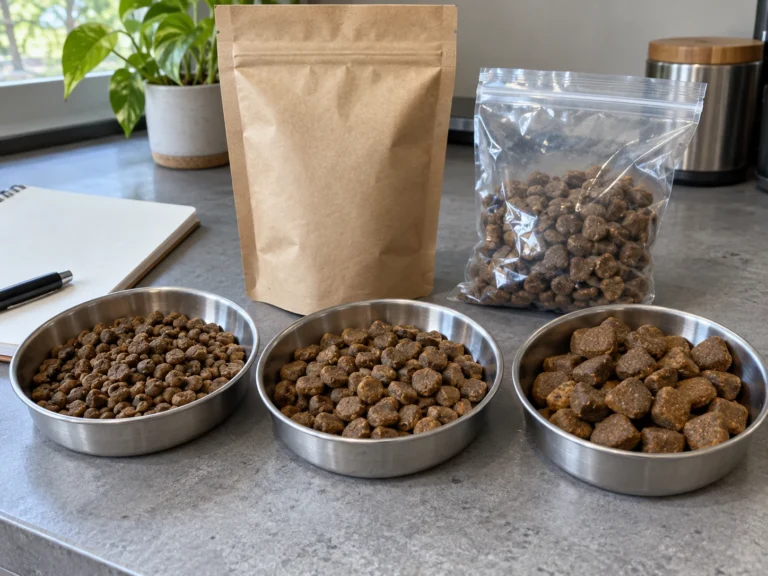
Adult Dog Dry Food OEM & Private Label
An adult dog dry food development direction for brands choosing breed-size kibble, flavour, positioning and packaging for a defined sales channel.
Explore this direction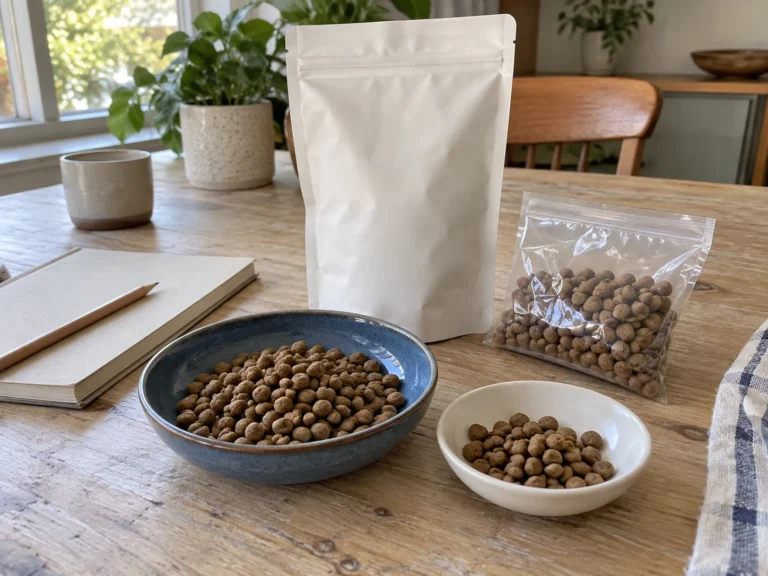
Puppy Dry Food OEM & Private Label
A puppy dry food development direction with life-stage, expected breed size, sample review and packaging defined for your private-label project.
Explore this directionRelated formula directions
Adult Dog Dry Food Formula
A qualitative adult dog formula reference for discussing the product brief, ingredient preferences, sample requirements and final specification.
Explore this directionPuppy Dry Food Formula
A qualitative puppy formula reference for discussing the product brief, ingredient preferences, sample requirements and final specification.
Explore this directionContinue planning your project
OEM Pet Food Sample Development
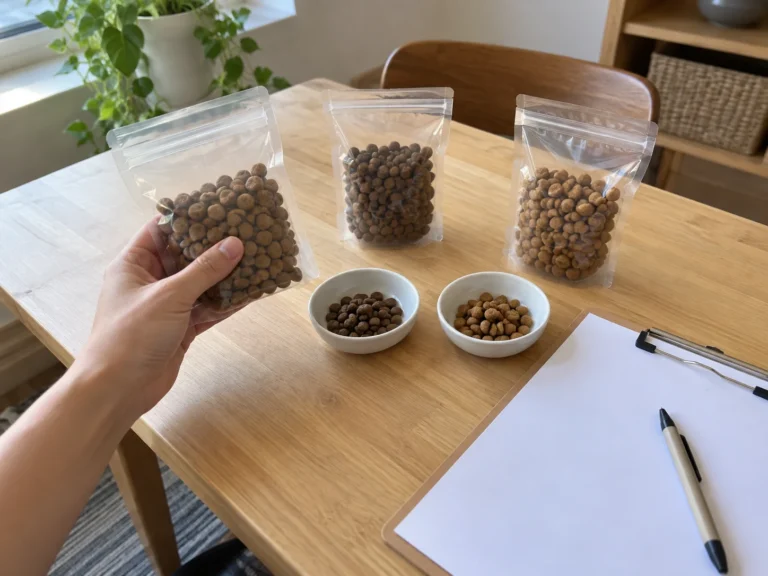
Plan OEM pet food samples with a clear brief, review criteria, revision feedback and approval handoff. Discuss your cat or dog food project with ZoePetSup.
Explore this direction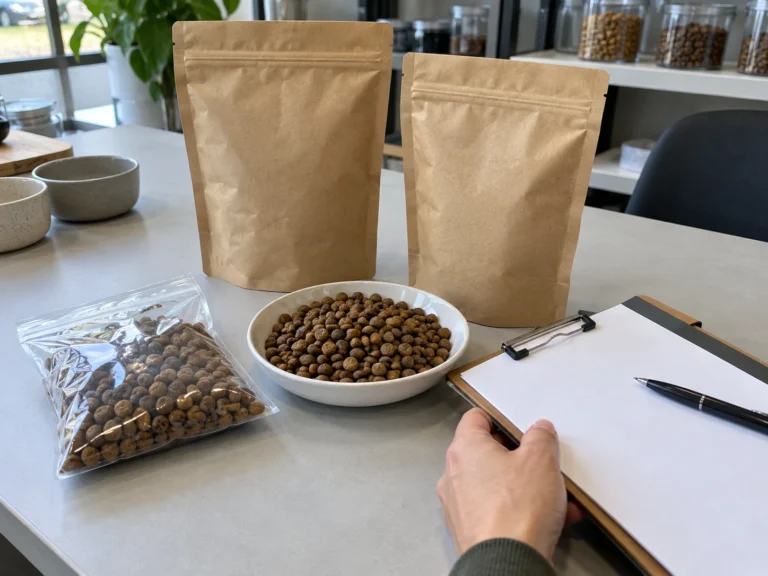
Private Label Dog Food for Your Brand
Plan a private label dry dog food range with product, sample, packaging and order requirements. Review adult and puppy directions with ZoePetSup.
Explore this directionPlan your product range
Build the dog food brief around the intended range
Use the relevant product or process direction to prepare a sample brief, packaging requirements and supply questions. Final specifications are agreed for the project.
Senior Dog Dry Food OEM & Private Label
Define a senior-dog range by size, sample acceptance and an agreed specification.
Review this brief →Baked Dog Food OEM & Private Label
Compare the baked-food process brief, texture samples, packaging and supply questions.
Review this brief →Working Dog Food OEM & Private Label
Specify activity context, kibble, larger packs and repeat-order requirements.
Review this brief →Start with your requirements
Tell Arlo about your dog food range
Share the destination country, life stage, intended breed-size range, product priorities, pack sizes and estimated quantity per SKU. Add the sample questions and launch window you want to discuss.
Your contact at ZoePetSup
Hi, I’m Arlo.
Tell me which dog food products matter most to your first launch and which choices remain open. We can organise the range, sample and packaging decisions together.
- Destination market and sales channel
- Life stage, product and flavour direction
- Pack sizes and quantity per SKU
- Artwork status and target launch window