Dry pet food OEM · quality and release
Dry Pet Food Inspection Planning
Plan a dry pet food inspection around the agreed specification, selected batch, required checks and clear release responsibilities.
Give ZoePetSup the product and market requirements your quality team needs to review. We can discuss the inspection scope, sample references and available batch information before the order reaches its release decision.
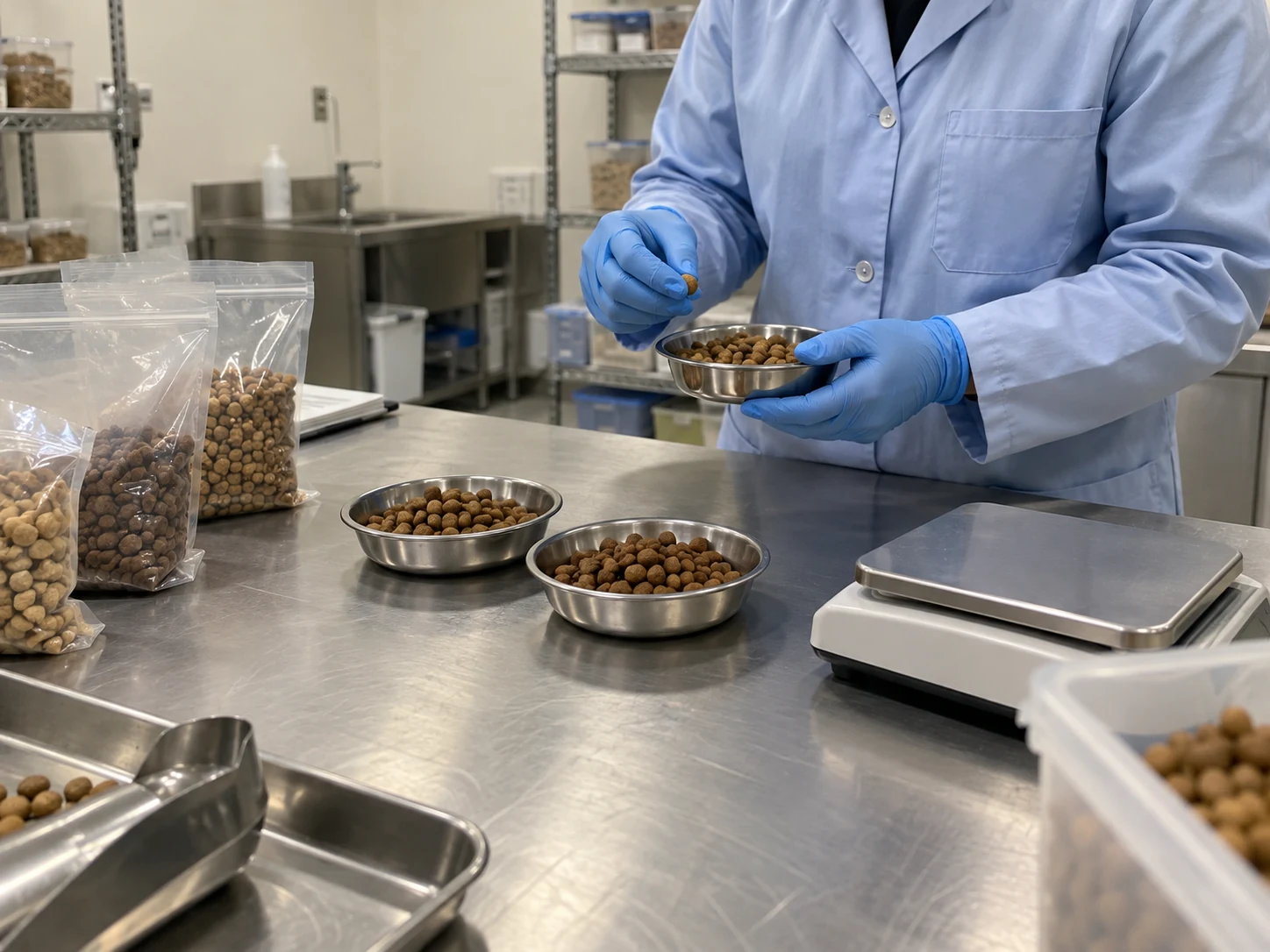
Define the product, checks, records and acceptance basis.
Your inspection planning decisions
Build an inspection brief for the order
Plan your OEM project
Define the product before choosing the checks
Start with the exact product, pack and intended market, then identify the questions the inspection must resolve.
An inspection request is easier to assess when it names the food, species and life stage, selected formula reference, pack size and order or batch. Attach the current specification and identify any characteristic that is especially important to your customer or channel.
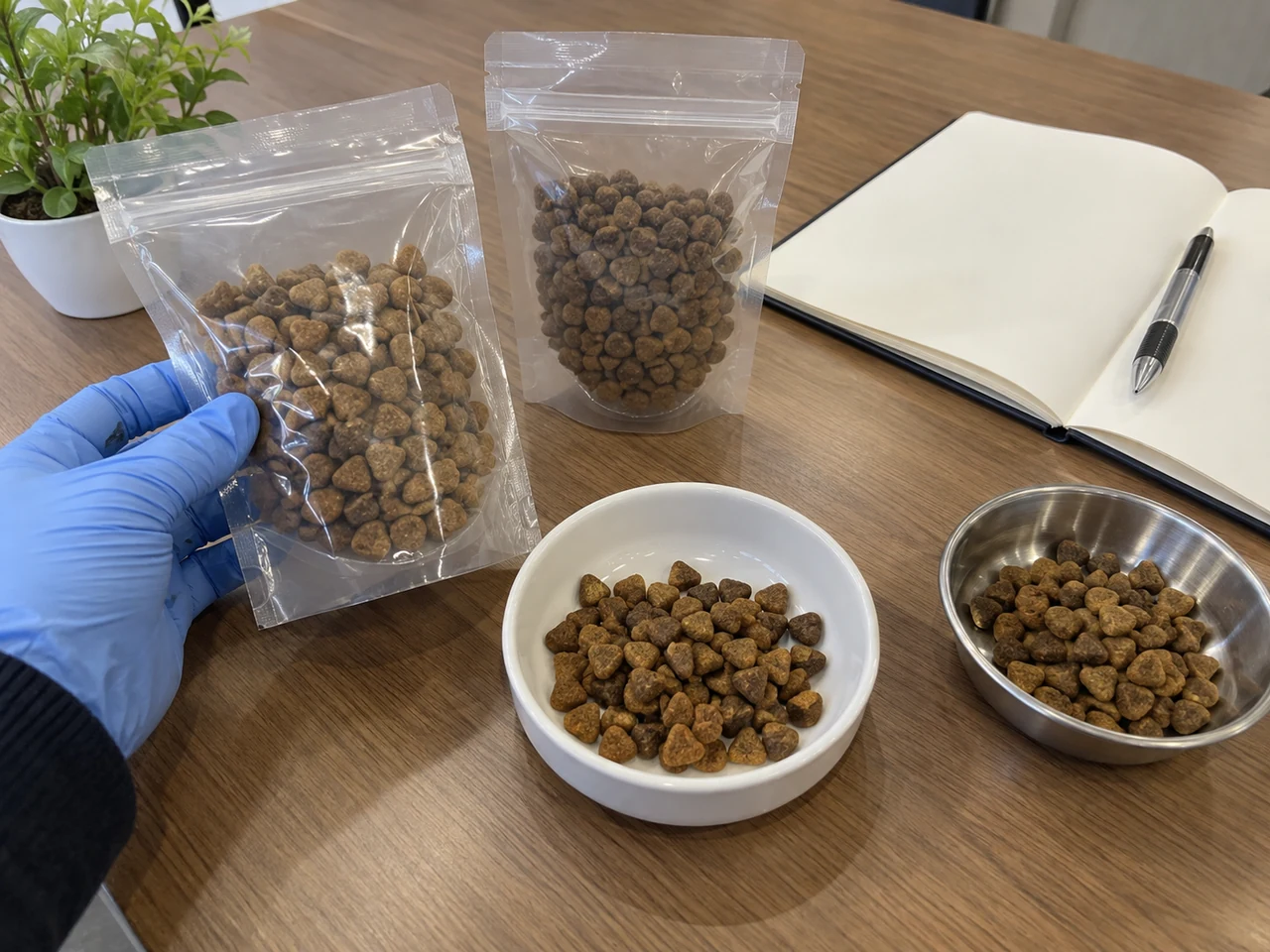
Separate the physical sample review from finished-batch acceptance. A sample can help you discuss kibble appearance or texture, while the order also needs the agreed product values, packaging and records linked to the actual batch.
Tell us whether your request concerns development samples, pre-shipment review or an issue found after receipt. The stage changes which product, sampling and document questions need to be answered.
Plan your OEM project
Agree the scope and the acceptance basis
Put the requested check, reference and decision in the same inspection brief.
Ask which checks are routine for the order and which requested activities need separate agreement. A supplier’s general quality process, a buyer’s purchase specification and a destination requirement may cover different questions.
Avoid using an undefined pass or fail instruction. The applicable criterion, the tested item and the way a result is recorded need to be clear enough for both parties to review.
| Review area | Define in advance | Record for the decision |
|---|---|---|
| Product identity | Product, specification version, order and selected batch. | The references used to identify the inspected goods. |
| Physical characteristics | The appearance or other agreed characteristics to assess. | Method, observations and comparison with the accepted reference. |
| Product testing | Requested parameters, methods and applicable acceptance criteria. | The relevant results and their connection to the batch. |
| Pack and identification | Bag, net-weight and required label or coding checks. | The findings for the selected finished pack. |
| Exceptions | How a discrepancy is reported and who reviews it. | The agreed action and final disposition. |
Plan your OEM project
Clarify sampling, testing and responsibilities
Agree what is selected, how it is identified and which evidence is required before treating a result as acceptance.
Testing arrangements and the scope of any independent inspection need project-specific confirmation. A report should be reviewed against the agreed specification and the batch it represents, rather than treated as proof of every possible product or market requirement.
Sampling reference
Identify the batch, selected goods, sampling stage and handling arrangements. Discuss who selects and identifies the samples and which records accompany them.
Test scope
Specify the requested parameters, method or laboratory requirements and acceptance basis. Confirm availability and arrangements for the actual product and market.
Reviewer and decision
Name the buyer’s quality contact and the supplier contact. Agree how questions, results and exceptions reach the person responsible for the release decision.
DEFINE THE REQUIREMENTS THAT MATTER
Agree what each check needs to establish.
Connect the sampling, method and result to the selected batch and specification.
Plan your OEM project
Check the pack and its product references
Keep the food, packaging, label and batch information connected during the review.
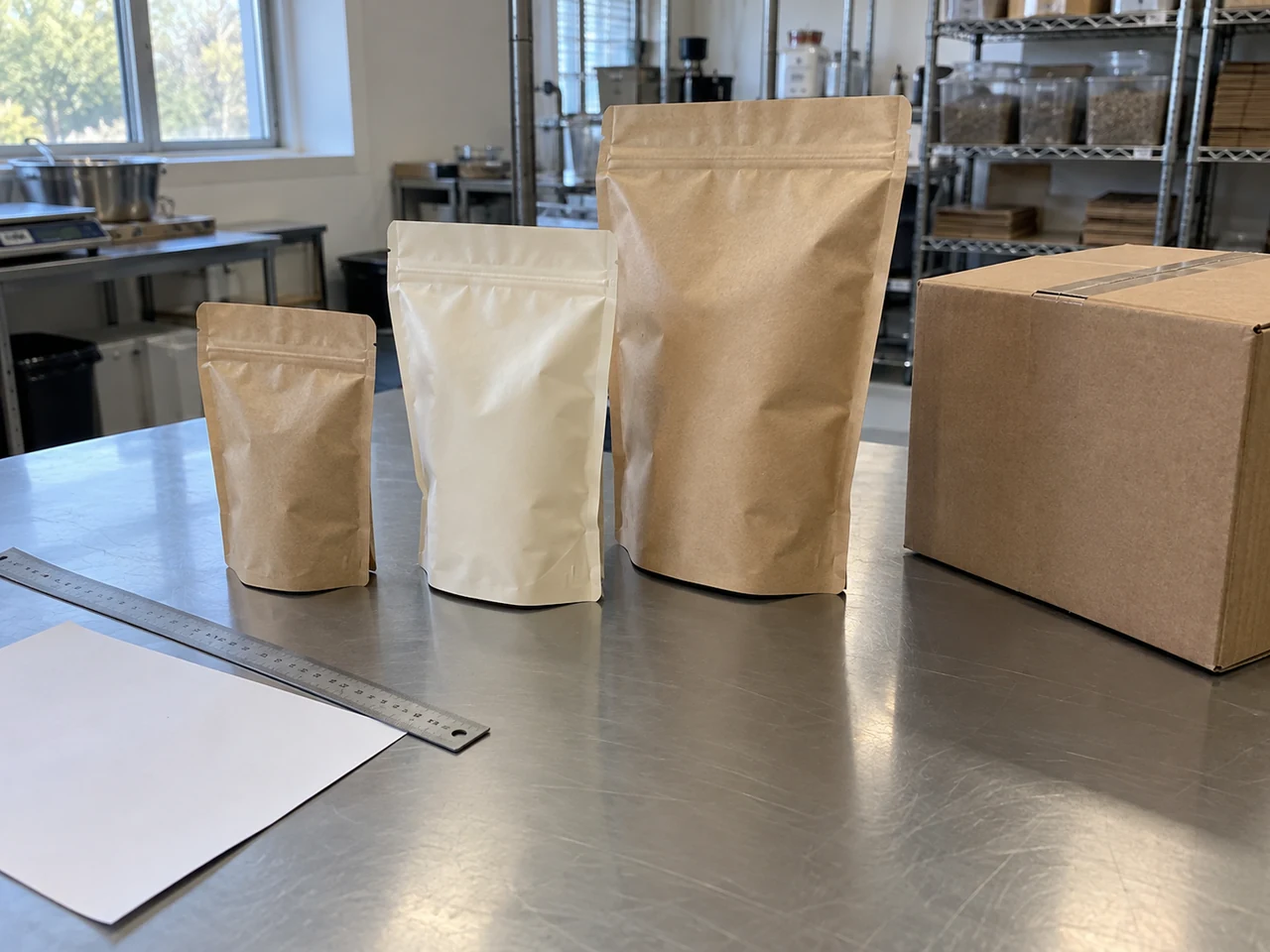
Confirm the bag or container version, intended net weight and identification details that matter for the order. Where artwork or language versions differ, identify the selected SKU and approved file rather than referring to a generic pack image.
ZoePetSup’s quality discussion can cover raw-material review, mixing, forming, moisture, coating, pack weight, finished testing and retained samples with batch traceability. Agree the relevant checkpoints, requested records and finished-product checks for your order.
Tell us which documents your quality reviewer needs and when they must be available. The sample reference, product specification, test or batch information and pack version should allow the reviewer to follow the same product through the decision.
Plan your OEM project
Decide how a discrepancy will be handled
Make the review route clear before an unexpected result delays the handoff.
Do not assume that an informal photograph or a single comment settles an exception. Provide a clear description and the product references, then agree the information needed for review. Any further sampling, testing or action should be confirmed for that situation.
Keep proposed changes visible if they affect a later repeat order. A revised specification or pack should not silently replace the reference used for the current order.
| Question | What to agree | Why it matters |
|---|---|---|
| What differs? | Identify the observed characteristic and its agreed reference. | The issue can be assessed against the same requirement. |
| Which goods are involved? | Record product, batch, pack and order references. | The review stays connected to the affected scope. |
| Who reviews it? | Identify the responsible contacts and required information. | The next decision reaches the right reviewer. |
| What confirms closure? | Record the agreed action and evidence needed for disposition. | The final decision is documented rather than assumed. |
Plan your OEM project
Agree the release handoff
Finish with the accepted references, reviewed results and named decision responsibility.
Include your inspection requirements when discussing the quotation and order, especially if a particular report, inspection stage or external reviewer is important to your purchase process. Early agreement helps make the commercial and quality handoffs consistent.
Freeze the brief
Confirm the product, pack, batch and requested scope.
Agree the arrangements
Confirm sampling, checks, tests, records and responsibilities.
Review the findings
Resolve questions and record any agreed exception handling.
Confirm disposition
Connect the final decision and required documents to the order.
READY FOR THE NEXT STEP?
Keep the release decision linked to the evidence.
Record reviewed findings, exceptions and the accepted order references.
Plan your OEM project
Dry pet food inspection questions
A useful inspection brief states the product, requested evidence and decision responsibility.
01What information starts an inspection discussion?
Send the product or sample reference, specification, destination, pack size, order or batch scope and the checks your quality team needs. Identify the inspection stage and intended release decision.
02Is checking a sample enough to accept an order?
A sample review and finished-batch acceptance address different questions. Agree the product specification, pack and batch information needed for the actual order.
03Can we request particular laboratory tests?
List the parameters, methods, laboratory requirements and acceptance criteria. Availability, arrangements and relevance need confirmation for the selected product and market.
04Can an independent inspector be involved?
Describe the proposed inspection stage, scope, sampling and reporting requirements. Access, responsibilities and arrangements need agreement for the project.
05Does a general certificate replace product inspection?
Company or system documentation and batch-specific product evidence have different scopes. Ask which records support the selected order and review them against your requirements.
06How should we report a discrepancy?
Identify the product, batch, pack and agreed reference, describe the finding and provide the relevant evidence. Agree the review route and required decision with the responsible contacts.
Explore product directions
Adult Cat Dry Food OEM & Private Label
An adult-cat dry food development direction for brand owners and importers, with project-specific formula, kibble, flavour and packaging choices.
Explore this direction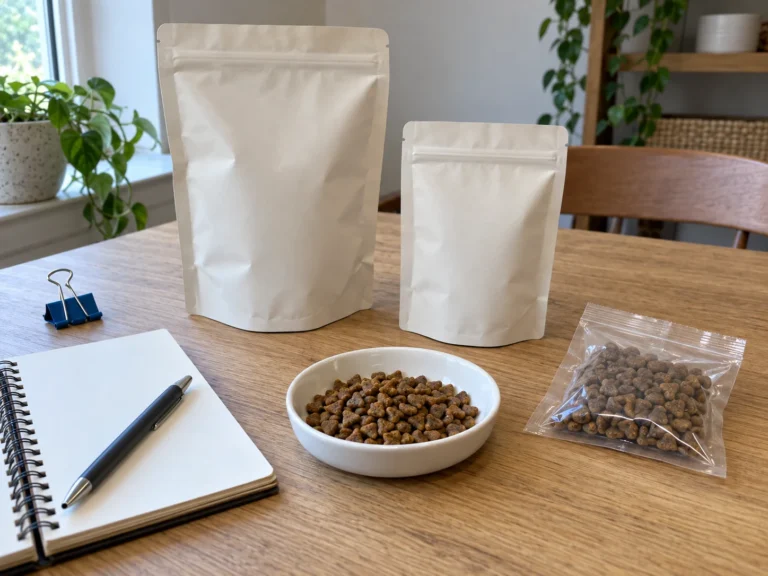
Kitten Dry Food OEM & Private Label
A kitten dry food development direction for brands planning a growth-stage SKU, with product specification, kibble and packaging reviewed for the project.
Explore this direction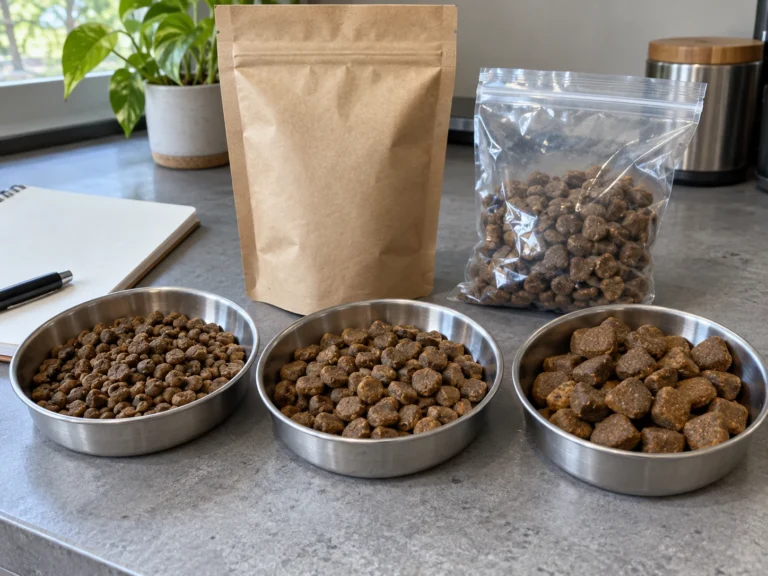
Adult Dog Dry Food OEM & Private Label
An adult dog dry food development direction for brands choosing breed-size kibble, flavour, positioning and packaging for a defined sales channel.
Explore this direction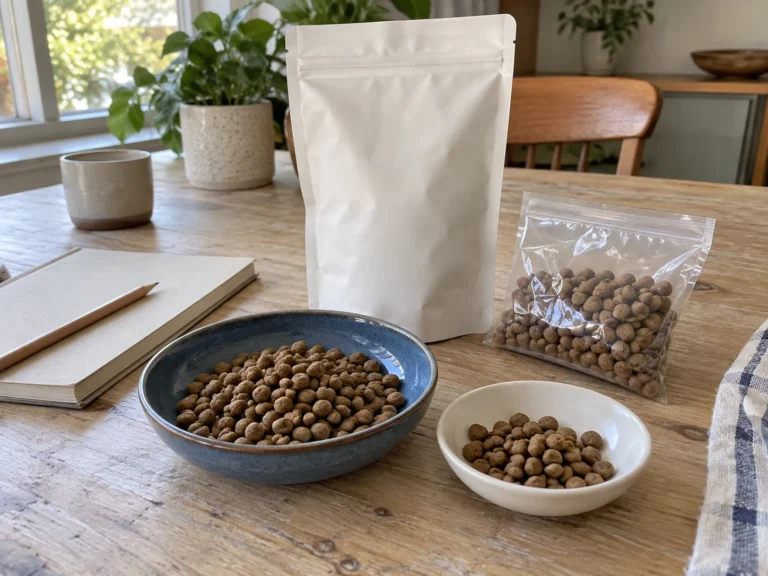
Puppy Dry Food OEM & Private Label
A puppy dry food development direction with life-stage, expected breed size, sample review and packaging defined for your private-label project.
Explore this directionRelated formula directions
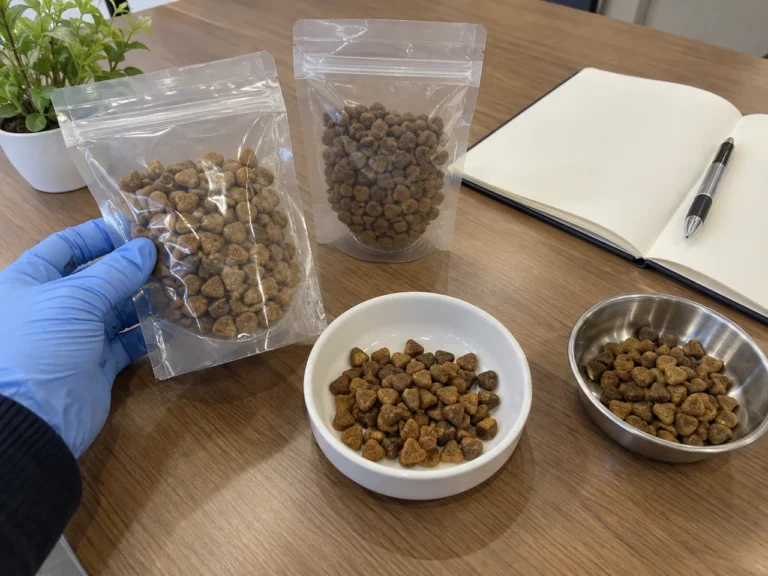
Adult Cat Dry Food Formula
A qualitative adult-cat formula direction for structuring your development brief.
Explore this directionKitten Dry Food Formula
A qualitative kitten formula reference for preparing a distinct growth-stage product brief.
Explore this directionAdult Dog Dry Food Formula
A qualitative adult dog formula reference for discussing the product brief, ingredient preferences, sample requirements and final specification.
Explore this directionPuppy Dry Food Formula
A qualitative puppy formula reference for discussing the product brief, ingredient preferences, sample requirements and final specification.
Explore this directionContinue planning your project
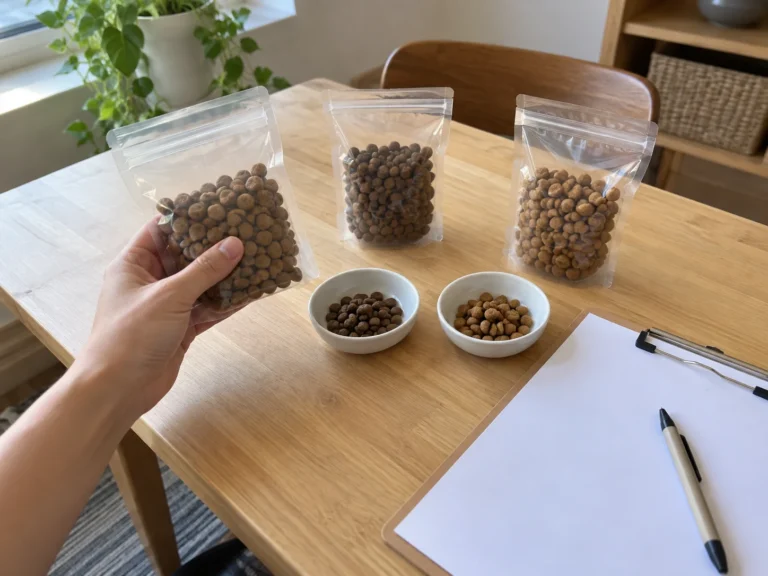
OEM Pet Food Sample Development
Plan OEM pet food samples with a clear brief, review criteria, revision feedback and approval handoff. Discuss your cat or dog food project with ZoePetSup.
Explore this direction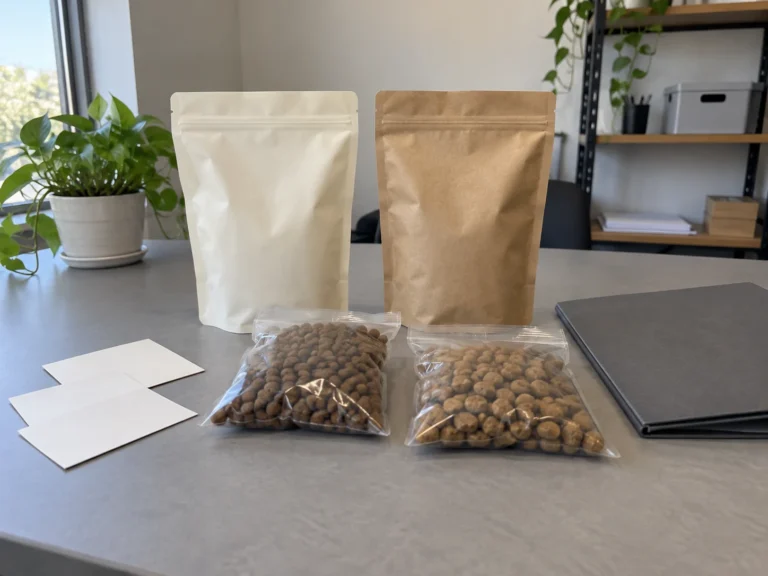
Repeat Pet Food Order Control
Prepare repeat pet food orders with clear product and pack versions, proposed changes, batch references and quantities. Review your next order with ZoePetSup.
Explore this directionStart with your requirements
Tell Arlo about your inspection brief
Share the product or sample reference, destination, order scope, required tests or checks, inspection stage and documents your quality team needs. Identify any proposed independent inspection arrangements for review.
Your contact at ZoePetSup
Hi, I’m Arlo.
Tell me which pet food project you are planning and what you need to confirm first. A rough brief helps us identify the next questions together.
- Destination market and sales channel
- Life stage, product and flavour direction
- Pack sizes and quantity per SKU
- Artwork status and target launch window