PRIVATE-LABEL DRY PET FOOD · RETAIL PACKAGING
Retail Pet Food Packaging
Plan a pack that fits your product, sales channel and brand, with a clear path from format selection to artwork approval.
Bring packaging into the dry cat or dog food brief early. ZoePetSup can discuss the intended bag size, format, information areas and order requirements alongside your product development and private-label launch.
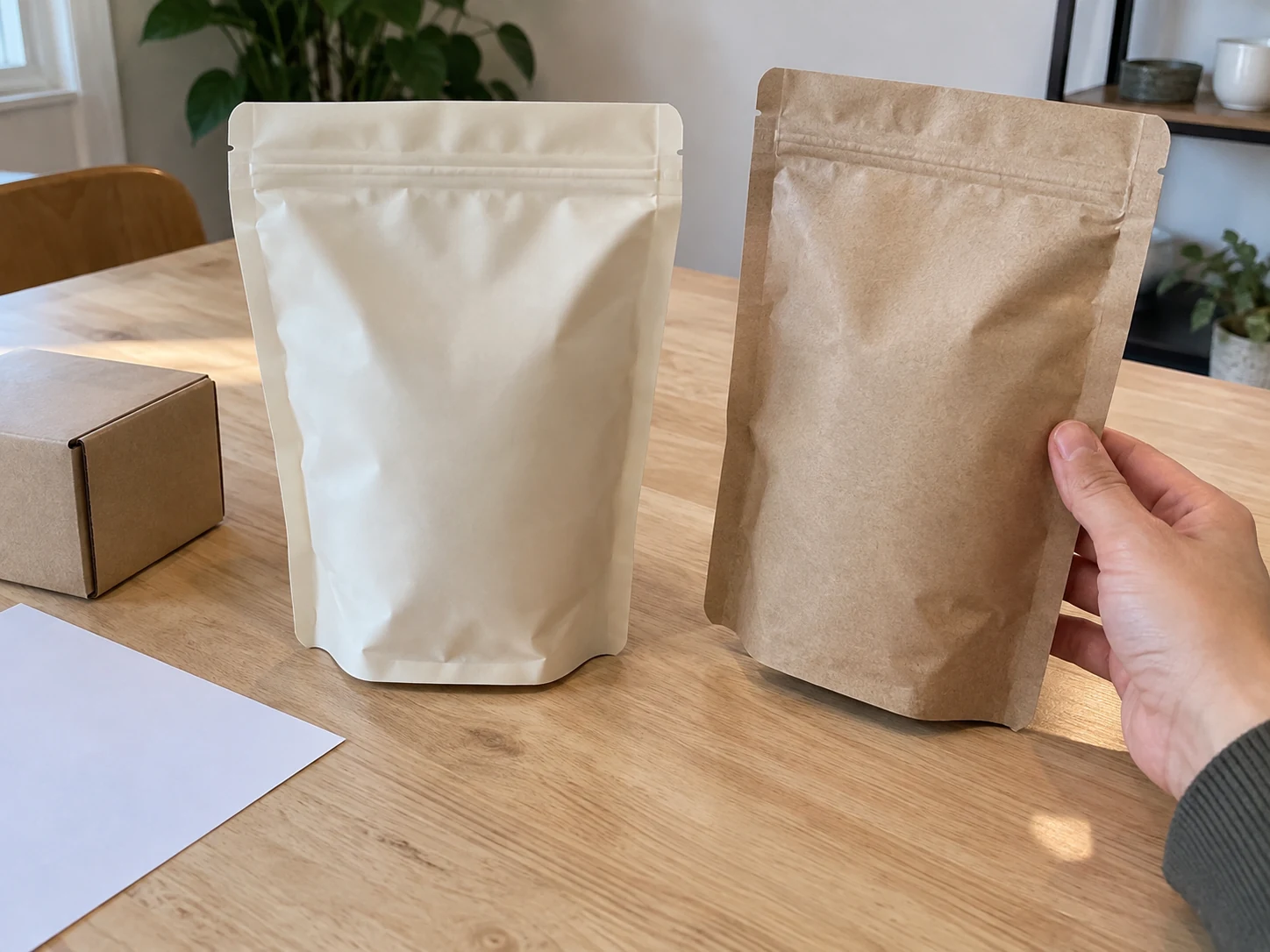
Connect format, material, artwork and order quantities.
Your retail packaging decisions
Build your retail packaging brief
START WITH HOW THE PACK WILL BE USED
Match the pack to your sales channel
Define the pack's retail, e-commerce or larger-format role before narrowing the material, format and artwork brief.
Tell us where the product will sell, how the pack will be displayed and which handling or opening features matter to your team. Include the product direction, destination market, intended bag sizes and the role of each size in the range. Keep the core launch formats separate from optional extensions.
Dry cat food pack directions include 400 g–2 kg retail packs, 3–5 kg family packs and 10–20 kg bulk bags. Dog-food directions include 1–3 kg retail packs, 5–8 kg family packs and 10–20 kg bulk bags. The selected format, construction, artwork and commercial requirements are confirmed for the project.
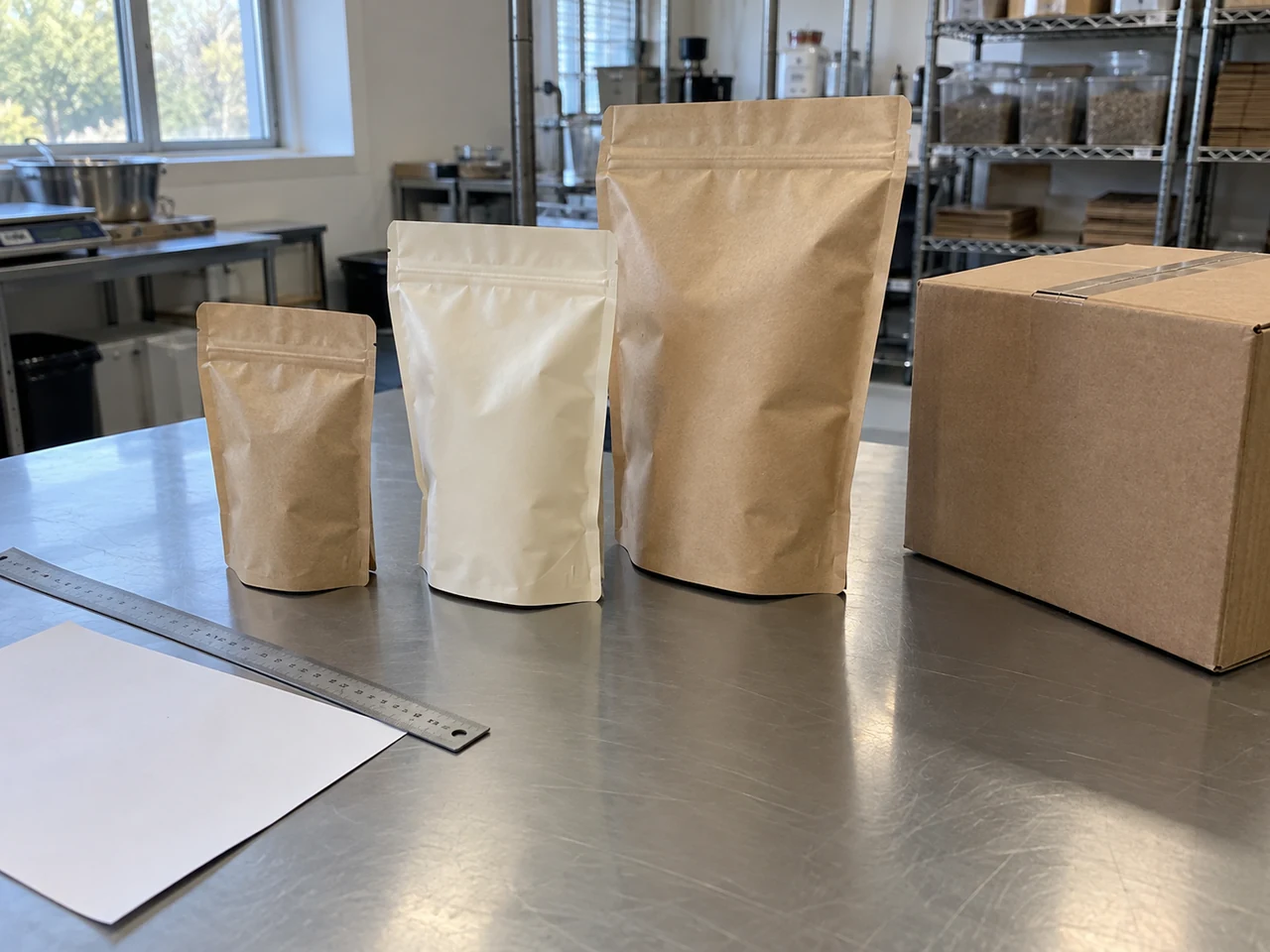
TURN PREFERENCES INTO REQUIREMENTS
Define the bag format and handling features
Explain the shelf, opening, closing and handling requirements, then confirm the feasible construction for the proposed product and quantity.
A format name or reference photograph is only part of the brief. State the pack size, desired presentation and the features you want reviewed. Ask for the proposed construction and its relevant specifications before treating a visual preference as the final packaging decision.
| Requirement | What to describe | What to confirm |
|---|---|---|
| Shelf presentation | Preferred standing stability, base shape and display appearance | The available construction and filled-pack presentation |
| Opening and reclosing | How you should open, close and use the pack | The proposed opening or closure feature and its suitability |
| Handling | Pack size, intended user and handling priorities | The selected bag format and relevant handling requirements |
| Print presentation | Finish, colour direction, panels and any window preference | The material and print scope available for review |
AGREE THE PRODUCT AND PACK REQUIREMENTS TOGETHER
Match the packaging specification to the product
Include the relevant material, sealing and protection requirements in the pack discussion rather than relying on appearance alone.
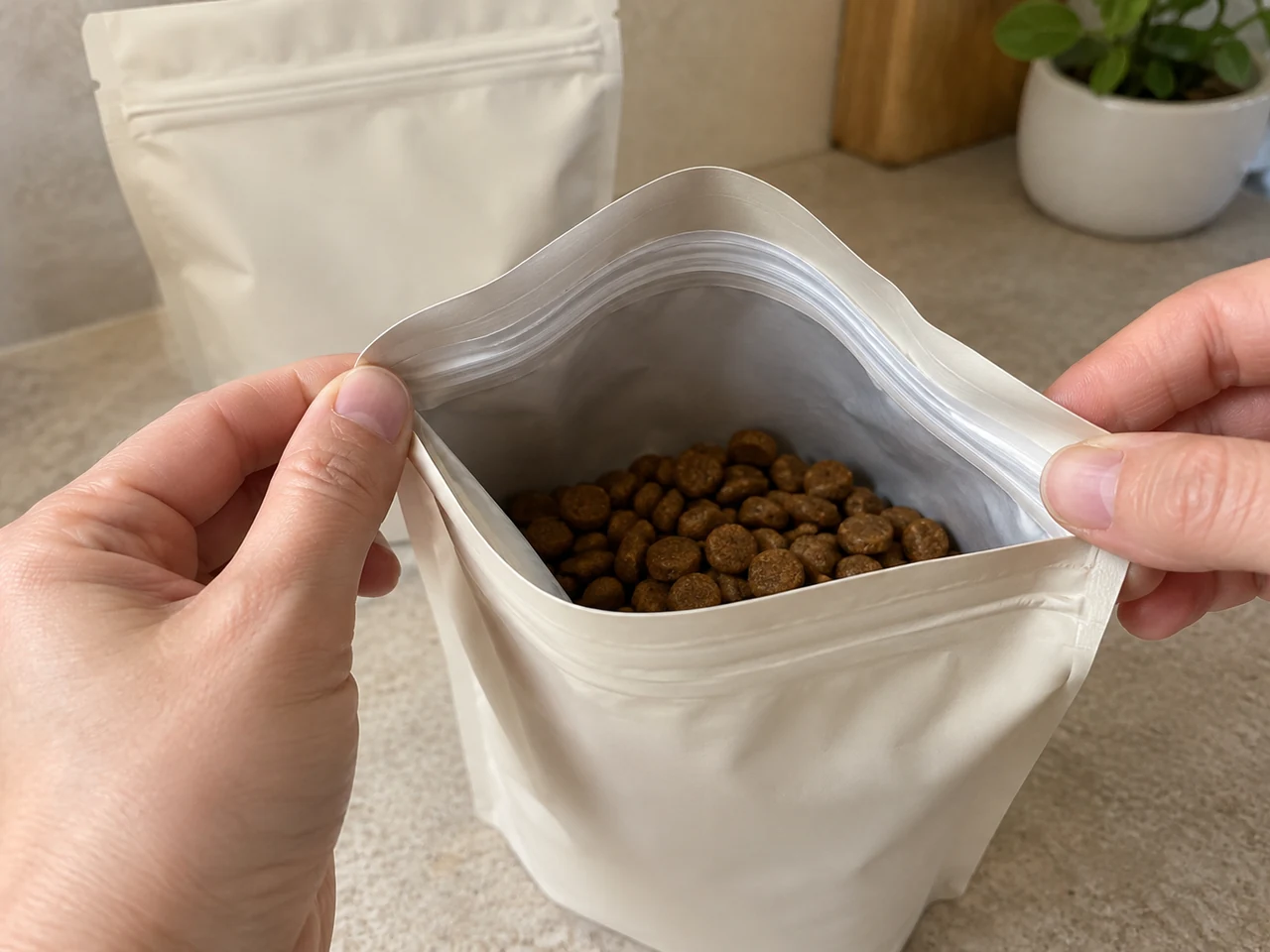
Discuss the requirements for the proposed dry food, including the relevant protection against moisture, grease and odour and the sealing and handling conditions to review. Ask which material construction and supporting information are proposed for that product and pack size.
Keep the shelf-life requirement, storage information and packaging specification connected to the same product brief. Confirm any validation or records your team needs for the selected combination. An illustrative pouch photograph identifies a visual direction; the agreed material and product records define the actual specification.
MAKE PACKAGING PART OF THE PRODUCT PLAN
Bring the format, product and quantity requirements together.
Use one brief so the pack and order decisions stay aligned.
LEAVE SPACE FOR WHAT THE PACK NEEDS TO SAY
Plan the information areas before final artwork
Organise brand presentation, destination-market information and production markings so the design can be reviewed as a complete pack.
Confirm the destination country and label languages before finalising the layout. The applicable information and proposed statements need review for the specific product and market. Keep required information areas and the agreed production-marking space visible throughout the design process.
Front presentation
Make room for the brand, product identity, intended range and pack-size presentation your team wants reviewed.
- Brand and product hierarchy
- Life-stage or range identification
- Proposed statements for evidence review
Product and market information
Coordinate the product declaration and the information your destination-market review identifies as applicable.
- Ingredient and relevant nutrient information
- Feeding, storage and responsible-business details
- Required languages and approved text versions
Production and identification areas
Reserve the agreed locations for batch, date, barcode or other operational information where applicable.
- Relevant variable-printing areas
- Identification and barcode requirements
- Space retained through artwork revisions
CONNECT THE PACK TO THE ORDER MIX
Plan pack versions and quantities per SKU
List the bag sizes and artwork versions with their intended quantities so product and packaging requirements can be confirmed together.
Several products, pack sizes or label languages can create several packaging versions. Identify which are essential for the launch and which can remain open. Ask for the packaging minimum and print scope against each proposed version rather than assuming one condition covers the whole range.
| Order input | What to list | Decision to record |
|---|---|---|
| Pack version | Product, bag size, language and artwork version | Which finished SKU uses that pack |
| Quantity | Estimated bag count and corresponding product quantity where known | Product MOQ and packaging MOQ for the proposed mix |
| Print scope | Available artwork, proposed changes and proof requirements | Included work, separate charges and approval responsibilities |
| Later use | Any proposed repeat order or surplus-packaging arrangement | Ownership, storage and later-use terms if such an arrangement is agreed |
FREEZE THE PACK BEFORE PRINT APPROVAL
Keep the approved packaging record complete
Bring the product brief, packaging specification, artwork and order quantities into the same approval record.
Review a changed bag size, construction or artwork against the agreed product and order scope. Keep the accepted versions identifiable so the supplier and your team are working from the same approved information.
Confirm the product and channel
Identify the SKU, destination market, intended use, bag size and launch quantity. Record the pack functions and information requirements to review.
Review the proposed pack specification
Confirm the feasible format, material construction, closure and relevant protection or handling requirements for the product.
Approve the artwork and proof
Review the correct text, layout and file version, including reserved production areas and the agreed proof. Confirm the applicable market and product statements before print approval.
Link approval to the order
Record the accepted specification and artwork with the quantities, packaging conditions and production or delivery arrangements for the proposed order.
READY FOR THE NEXT STEP?
Keep the approved specification and artwork together.
Send your product, channel, pack-size and artwork requirements.
BEFORE CHOOSING THE FINAL PACK
Questions about retail pet food packaging
Send the product, channel and pack brief to discuss the appropriate packaging scope for your private-label project.
01Is this packaging service linked to a pet food project?
The packaging planning described here is part of a dry cat or dog food OEM and private-label project. Share the product direction, market, pack sizes and quantity estimate so the product and packaging requirements can be discussed together.
02Can I use several pack sizes for the same product range?
List the sizes and quantities you want to discuss and identify the core launch formats. Confirm the selected bag constructions, packaging minimums, artwork versions and any effect on the proposed product and order scope.
03Does a pack format establish the product's shelf life?
Confirm the shelf-life requirement and the supporting information for the selected product and packaging combination. The pack format name or a photograph does not establish an agreed shelf-life value for the proposed SKU.
04Can packaging carry recycling or other environmental statements?
Identify the exact material construction and the proposed statement. Request the relevant supporting information and review the criteria for the destination market before artwork approval. Broad environmental claims are not assumed for every packaging direction.
05What should be ready before artwork is finalised?
Confirm the product specification, destination market and languages, selected pack format and relevant information areas. Keep the approved text and artwork versions together, including any agreed space for production markings and identification.
06What determines packaging MOQ, cost and timing?
Confirm those terms against the selected bag size, construction, print scope, artwork versions and quantities. Share the proposed SKU list and launch priorities so the packaging requirements can be reviewed with the product order.
Explore product directions
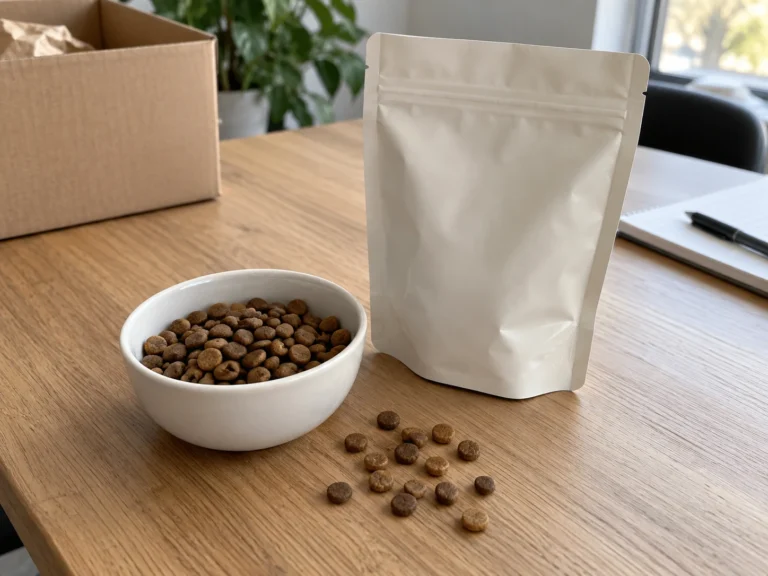
Adult Cat Dry Food OEM & Private Label
An adult-cat dry food development direction for brand owners and importers, with project-specific formula, kibble, flavour and packaging choices.
Explore this direction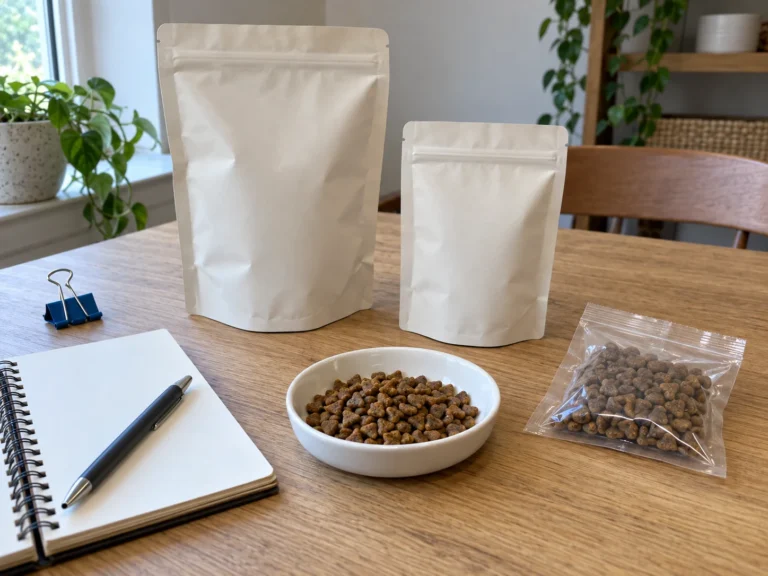
Kitten Dry Food OEM & Private Label
A kitten dry food development direction for brands planning a growth-stage SKU, with product specification, kibble and packaging reviewed for the project.
Explore this direction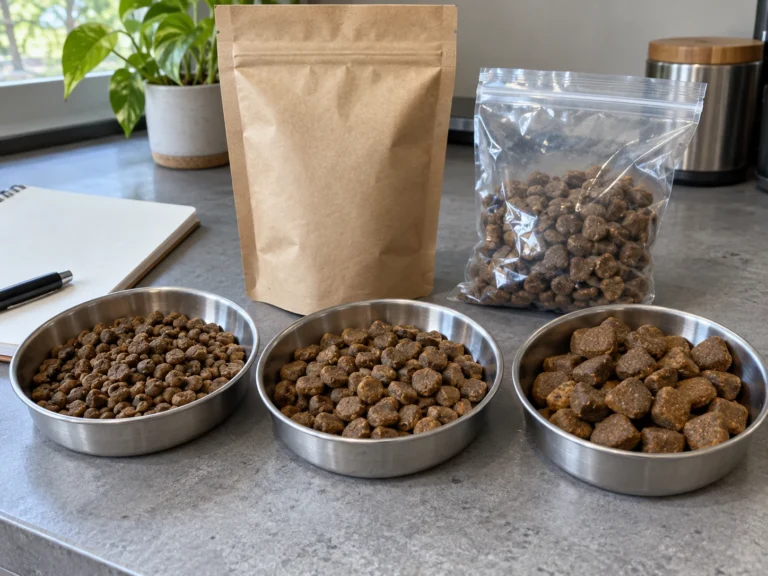
Adult Dog Dry Food OEM & Private Label
An adult dog dry food development direction for brands choosing breed-size kibble, flavour, positioning and packaging for a defined sales channel.
Explore this direction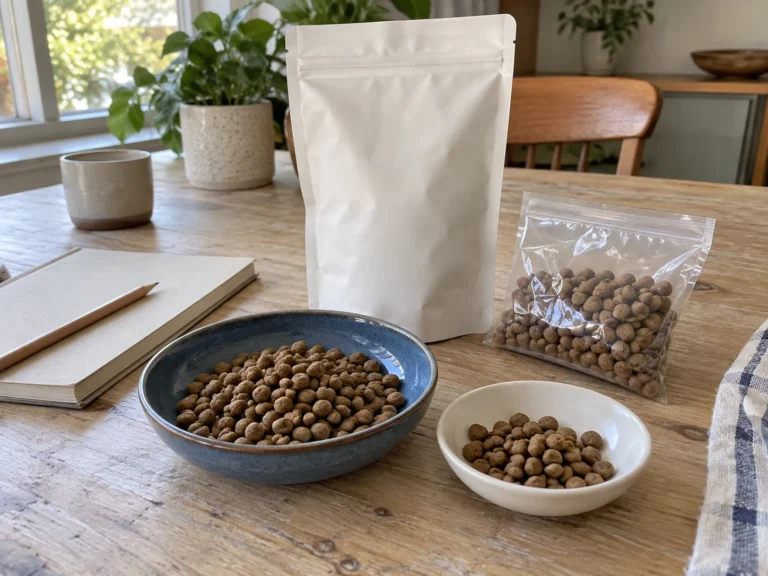
Puppy Dry Food OEM & Private Label
A puppy dry food development direction with life-stage, expected breed size, sample review and packaging defined for your private-label project.
Explore this directionRelated formula directions
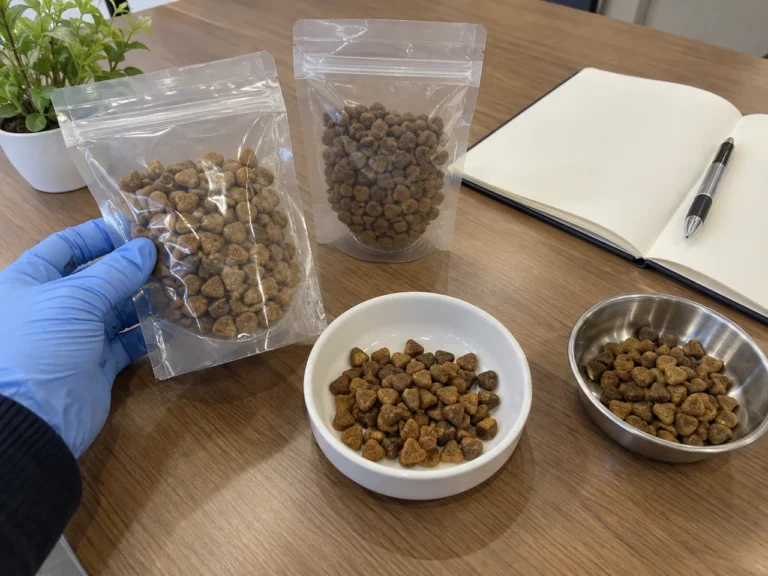
Adult Cat Dry Food Formula
A qualitative adult-cat formula direction for structuring your development brief.
Explore this directionKitten Dry Food Formula
A qualitative kitten formula reference for preparing a distinct growth-stage product brief.
Explore this directionAdult Dog Dry Food Formula
A qualitative adult dog formula reference for discussing the product brief, ingredient preferences, sample requirements and final specification.
Explore this directionPuppy Dry Food Formula
A qualitative puppy formula reference for discussing the product brief, ingredient preferences, sample requirements and final specification.
Explore this directionContinue planning your project
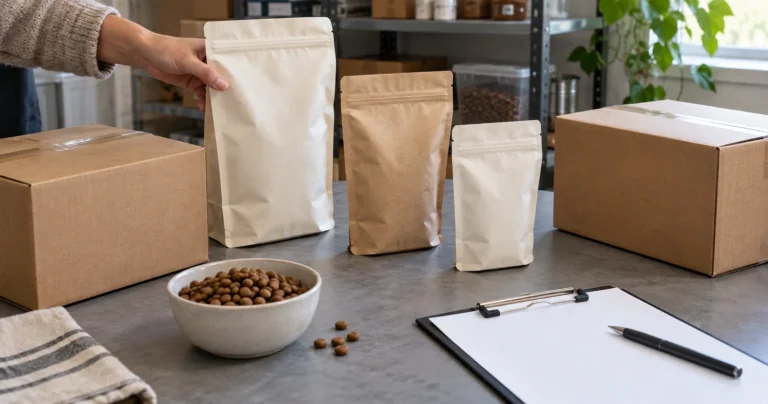
Pet Food MOQ and Order Planning
Understand pet food MOQ by product, packaging and SKU mix. Prepare a practical first order brief and confirm project-specific quantities with ZoePetSup.
Explore this direction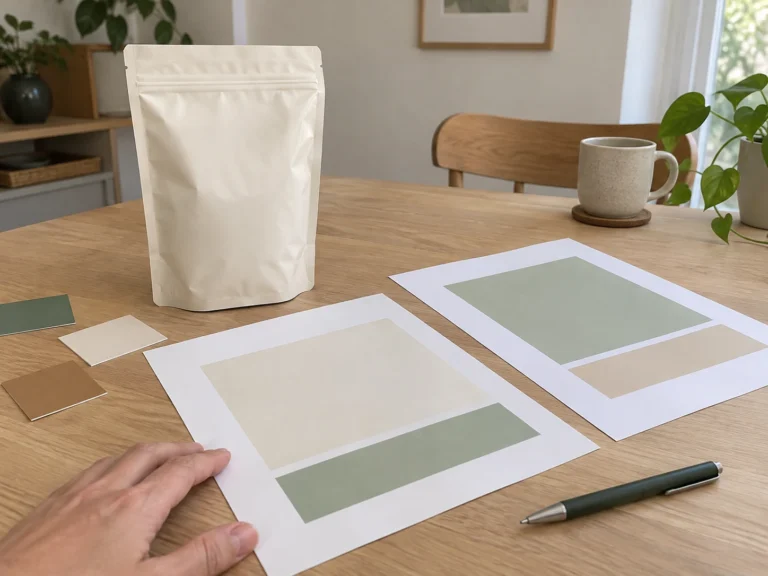
Pet Food Label Artwork Support
Prepare pet food label artwork with clear product inputs, panel planning, file checks and version approvals. Discuss your OEM packaging project with ZoePetSup.
Explore this directionStart with your requirements
Tell Arlo about your product and pack plan
Share the destination market, cat or dog product direction, sales channel, intended pack sizes and format preferences. Include artwork status and estimated quantities per SKU if known.
Your contact at ZoePetSup
Hi, I’m Arlo.
Tell me which pet food project you are planning and what you need to confirm first. A rough brief helps us identify the next questions together.
- Destination market and sales channel
- Life stage, product and flavour direction
- Pack sizes and quantity per SKU
- Artwork status and target launch window