Pet soft chews · product and pack validation
Soft Chew Stability and Packaging Planning
Discuss soft-chew stability and shelf-life requirements against the selected formula, physical product, packaging and intended storage conditions.
Give ZoePetSup the duration and distribution conditions your business needs to assess. We can review the product and pack references, identify the supporting information requested and agree which validation questions remain open for the project.
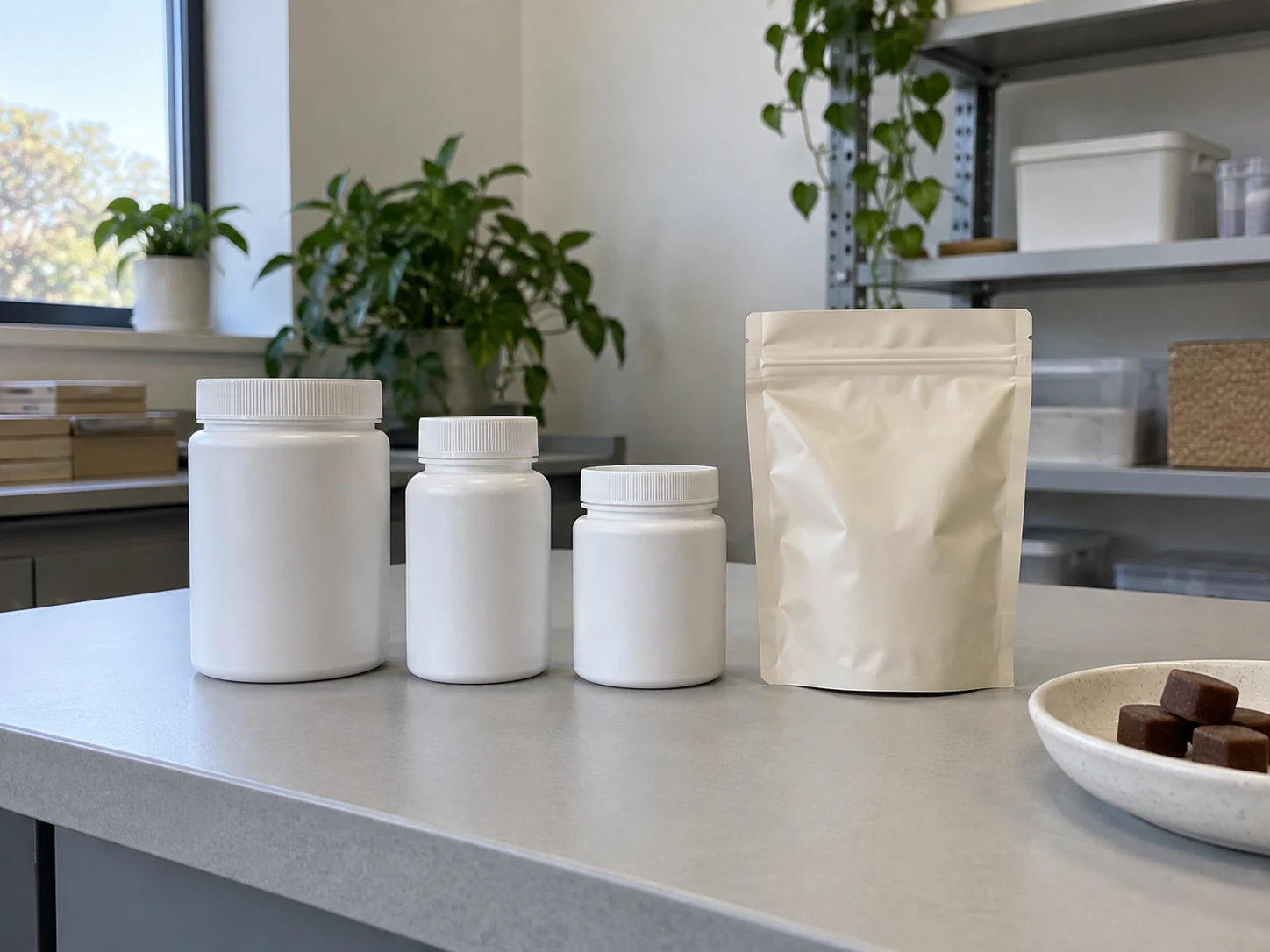
Connect formula, packaging, conditions and supporting records.
Your stability planning decisions
Prepare the product and pack evidence brief
Plan your OEM project
Define the product and conditions to assess
Name the actual formula and pack, then describe the storage and use context for the review.
A stability discussion needs the selected product reference, piece format, container and proposed fill. A range name or photograph does not identify the complete product-and-pack combination whose performance needs assessment.
Describe the intended destination, storage and distribution conditions and any practical handling requirements. Separate unopened storage from the questions your customer may have after opening and during use.
If you have a desired shelf-life duration, state it as a requirement to review rather than an established result. Ask what information and validation are needed for the actual product before it is placed on the label or used in the commercial plan.
Plan your OEM project
Build the stability brief around the selected version
Keep the product, pack, conditions and assessment scope visible in one brief.
Agree the relevant assessment approach with the responsible product and quality reviewers. The appropriate methods, criteria and records depend on the selected formula, pack and intended market.
Do not substitute a general quality certificate, an initial sample check or the appearance of a container for evidence covering a stated duration. Identify what each record actually demonstrates.
| Input | Identify for the project | Question to resolve |
|---|---|---|
| Formula and product | Selected formula, piece and product specification. | Which product characteristics need assessment? |
| Packaging | Material, closure, container and fill reference. | Which protection and handling questions need review? |
| Conditions | Intended storage, distribution and use context. | Which conditions should the evidence address? |
| Assessment plan | Proposed scope, methods, time points and criteria. | Who agrees and performs the relevant work? |
| Product information | Desired duration and proposed storage wording. | What evidence supports the final information? |
Plan your OEM project
Connect protection questions to packaging choices
Use the product’s requirements to frame the material and closure review.
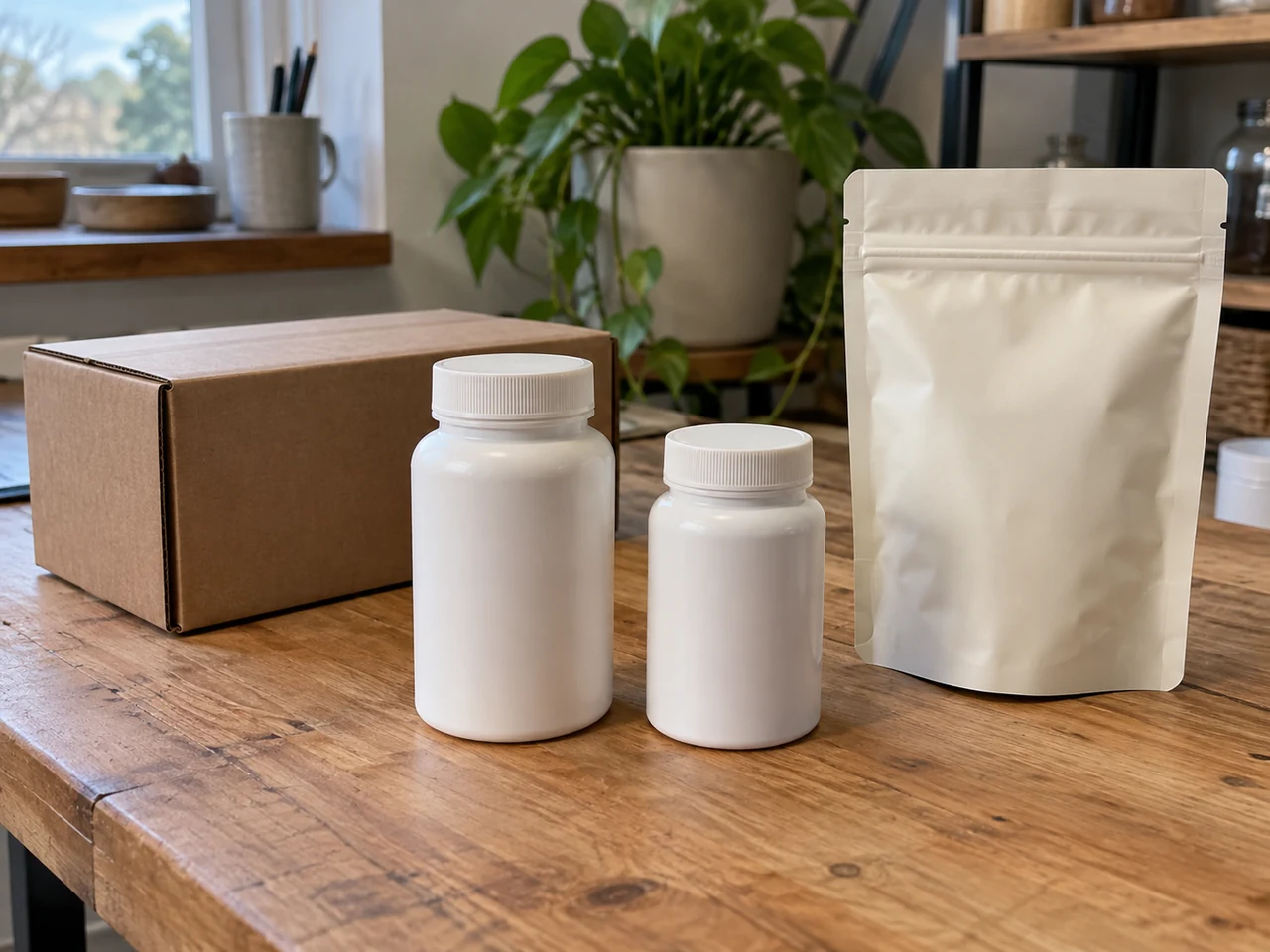
A bottle and a pouch may each be a direction to discuss, while their actual construction, closure and fit remain product-specific choices. A familiar format does not establish a universal protection level or shelf-life duration.
Product protection
Identify the product characteristics and external conditions the proposed pack needs to address. Request the material and product information relevant to those questions.
Closure and use
Describe the selected closure, opening and repeated-use requirements. Agree which questions apply to unopened storage and which relate to use after opening.
Distribution and handling
Provide the expected shipment and storage context, including any particular handling concern. Confirm how those requirements are considered in the selected product and pack review.
DEFINE THE REQUIREMENTS THAT MATTER
Give the evidence a clear scope.
Identify the assessed product, pack, conditions and relevant results.
Plan your OEM project
Ask for records with a clear product scope
Review the evidence against the product, pack and conditions it actually covers.
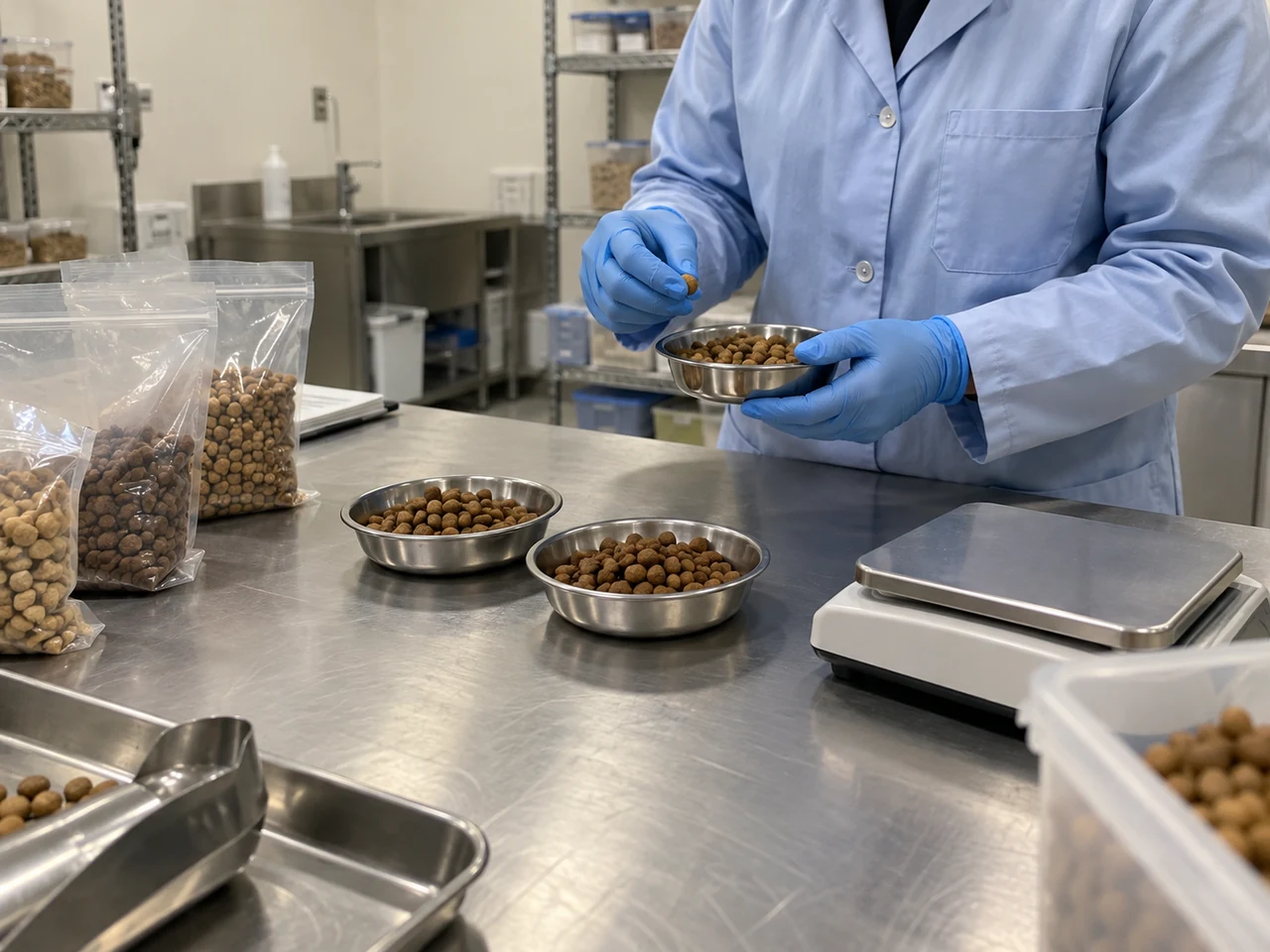
Identify the specification, batch, packaging version and assessment conditions associated with the requested records. Your reviewers should be able to connect the reported observations or results to the selected product.
Agree which physical, analytical or other relevant characteristics need assessment, which methods and criteria apply, and what information is available. Any additional work, responsible party, cost and timing need confirmation for the project.
ZoePetSup’s quality discussion includes relevant finished tests, retained samples and batch traceability. Those records have defined purposes; ask which supporting information addresses your particular stability or packaging question rather than assuming all quality records establish the same result.
Plan your OEM project
Review changes before relying on earlier evidence
Make the relationship between the earlier reference and revised proposal explicit.
A change does not automatically establish either that earlier evidence is sufficient or that the entire review must be repeated. Identify the difference and ask the responsible reviewers to confirm the relevant scope and next work.
Keep the final product information and storage wording aligned with the accepted version. Do not carry a duration or claim from another formula or pack into the new label without the required review.
| Changed input | Review the connection to | Next decision |
|---|---|---|
| Formula or ingredient requirement | The assessed product and its selected specification. | Whether the existing evidence addresses the revised product. |
| Piece or fill | The physical product and product/pack combination. | Which additional questions need assessment. |
| Container or closure | The packaging version covered by the information. | Whether new material or protection information is needed. |
| Storage or market | The conditions and intended product information. | What must be confirmed for the new requirement. |
Plan your OEM project
Agree responsibilities and the next evidence step
Turn the desired duration and pack concept into a defined assessment discussion.
Bring stability requirements into development before the label and order assumptions are final. If a validation dependency affects your intended launch date, identify it in the schedule discussion so the project can be planned against the actual work required.
Identify the combination
Send the formula, physical format, packaging and fill references.
Describe the conditions
State the intended storage, distribution and use context.
Agree the scope
Confirm requested records, assessment questions and responsibilities.
Review the product information
Connect accepted evidence and conditions to the final specification and label.
READY FOR THE NEXT STEP?
Keep the final information tied to the evidence.
Review changes before carrying a duration into a revised product or label.
Plan your OEM project
Soft-chew stability and packaging questions
A duration needs a defined product, pack and supporting basis.
01Is there a standard shelf life for all soft chews?
No universal duration is assumed. Confirm the selected formula, piece, packaging and relevant supporting information for the intended conditions and market.
02Does the choice of bottle or pouch establish shelf life?
The format alone does not establish a duration. Review the actual material, closure, product and conditions as a selected combination.
03What should we send for a stability discussion?
Provide the product or formula reference, piece format, pack and fill, destination, storage and distribution context, desired duration and the records your reviewers need.
04Does an initial batch report cover the whole storage period?
Review the scope of that report and what it demonstrates. Ask which evidence addresses the stated duration, packaging and conditions rather than assuming an initial result answers every question.
05What if we change the formula or packaging?
Identify the revised requirement against the earlier assessed reference. Agree whether the existing evidence addresses it and which additional information or work is needed.
06When should stability requirements be discussed?
Raise them during product and pack development before finalising label information or relying on a launch schedule. Confirm scope, responsibilities, costs and timing for any required work.
Continue planning your project
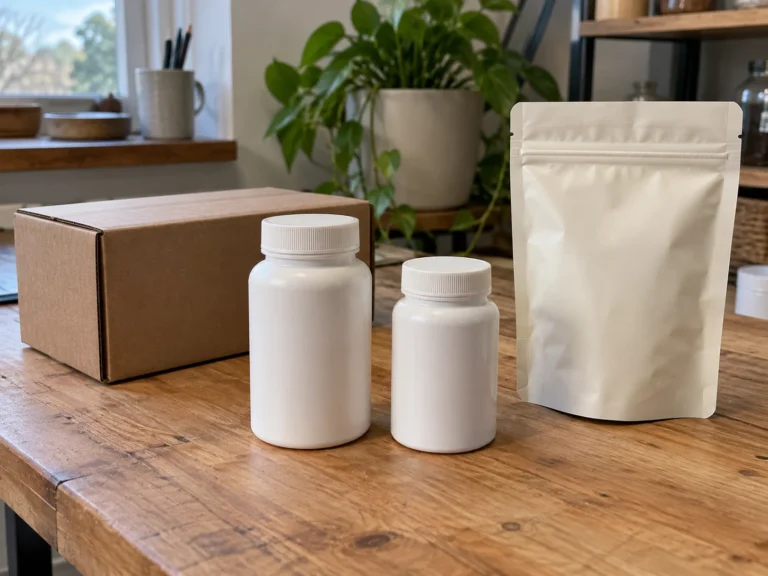
Soft Chew Packaging Development
Compare soft-chew bottle and pouch requirements by product, fill, closure, label space and order quantities. Discuss your private label packaging brief.
Explore this direction
Soft Chew Sample Development
Prepare soft-chew samples with clear product questions, review references and revision feedback. Connect the selected sample, specification and pack.
Explore this directionStart with your requirements
Tell Arlo about your stability requirements
Share the species, product or formula reference, piece format, bottle or pouch, proposed fill and target market. Describe the intended storage and distribution conditions, desired shelf-life requirement and records or validation your reviewers need.
Your contact at ZoePetSup
Hi, I’m Arlo.
Tell me which pet food project you are planning and what you need to confirm first. A rough brief helps us identify the next questions together.
- Destination market and sales channel
- Life stage, product and flavour direction
- Pack sizes and quantity per SKU
- Artwork status and target launch window