OEM range planning · product and packaging versions
Multi-SKU Private Label Pet Food
Plan a multi-SKU pet food range with one clear matrix for formulas, bag sizes, artwork versions and quantities.
ZoePetSup can discuss dry cat and dog food ranges for brands developing several products together. Define the differences between each SKU, then align sample approval, packaging and order planning before the range expands.
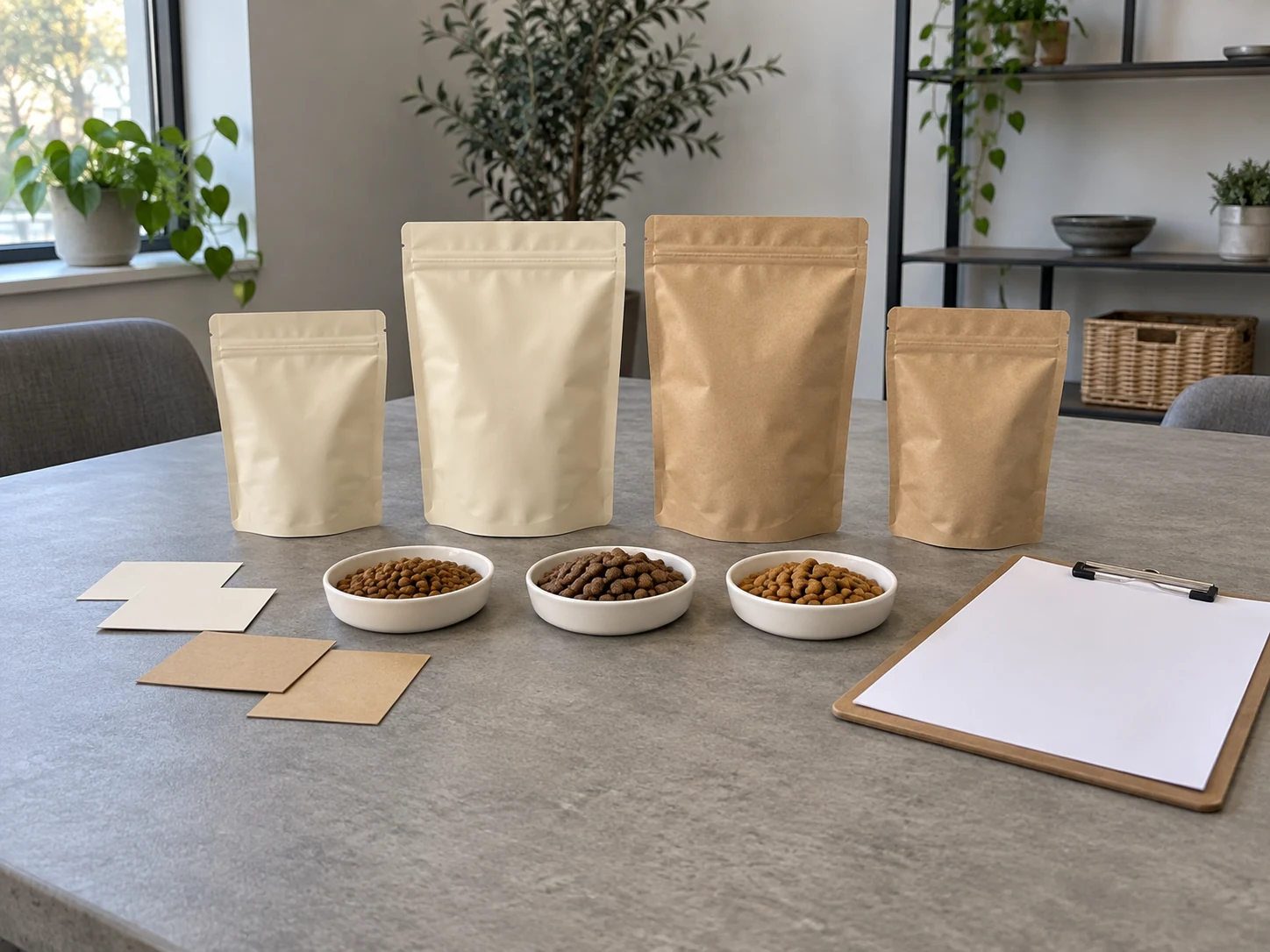
Link formula, sample, artwork and quantity in one range brief.
Your range and version decisions
Organise your multi-SKU launch
Plan your OEM project
Map the range before counting SKUs
Identify the product and packaging differences that create separate launch requirements.
A range with two formulas and several bag sizes needs a clearer brief than a single total tonnage. List the intended species, life stage, formula or flavour direction, pack weight and artwork language for each proposed sales item.
Separate a product change from a packaging change. A new formula needs its own product review, while a new size or language version needs the correct bag and artwork approval linked to the selected product.
Start with the range you want customers to recognise and the products that need to be available first. Mark optional extensions so the initial quotation can focus on a manageable, clearly defined launch.
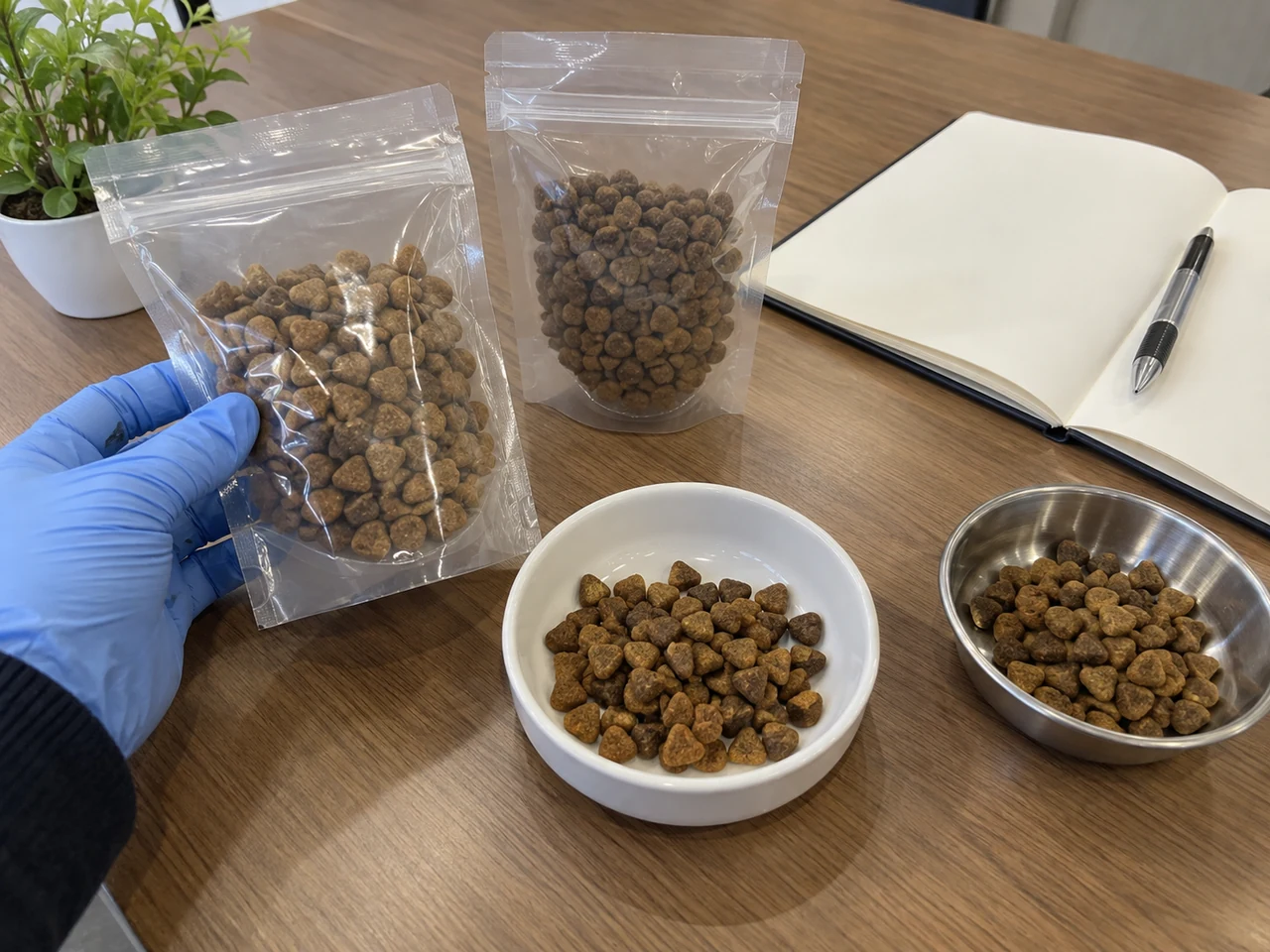
Plan your OEM project
Create one product and pack matrix
Use one row per proposed formula, pack and artwork combination without treating the whole range as one undifferentiated order.
Use your own reference names even when a product is still under discussion. Keep unresolved decisions visible in the matrix and update the same reference as choices are confirmed.
A product name alone is not enough to distinguish two bags with different weights, formulas or market information. Ask reviewers to approve the row and its linked files rather than a loose collection of samples and artwork.
| Matrix field | What to record | Why it matters |
|---|---|---|
| Product reference | Species, life stage and proposed formula or flavour. | Links the sample and specification to the correct product. |
| Pack reference | Net weight, format and construction requirements. | Defines the physical packaging to review and quote. |
| Artwork reference | Market, language and controlled version name. | Prevents the wrong label from being assigned to a product. |
| Quantity and priority | Estimated units or weight and launch sequence for that row. | Makes minimums and first-order feasibility reviewable. |
Plan your OEM project
Review minimums for each part of the mix
Ask how product and packaging requirements apply to each proposed row before assuming quantities can be pooled.
A range-wide total does not by itself establish that each formula, size or printed version meets its requirements. Ask for a quotation that identifies the product and packaging scope, assumptions and any unresolved lines.
Product quantities
Provide the expected quantity for each formula or product direction. Confirm the applicable minimum and whether the proposed product mix is feasible for the project.
Packaging quantities
List each bag size, format and printed version. Ask how the selected packaging and artwork mix affects the quantities to confirm.
Launch priorities
Identify essential launch products and later additions. Review a smaller first mix if too many versions create an unsuitable initial commitment.
DEFINE THE REQUIREMENTS THAT MATTER
Review minimums against the actual SKU mix.
List formulas, pack sizes and artwork versions with separate quantities.
Plan your OEM project
Keep approvals attached to the right SKU
Link each accepted sample, finished specification and artwork version to the corresponding matrix row.
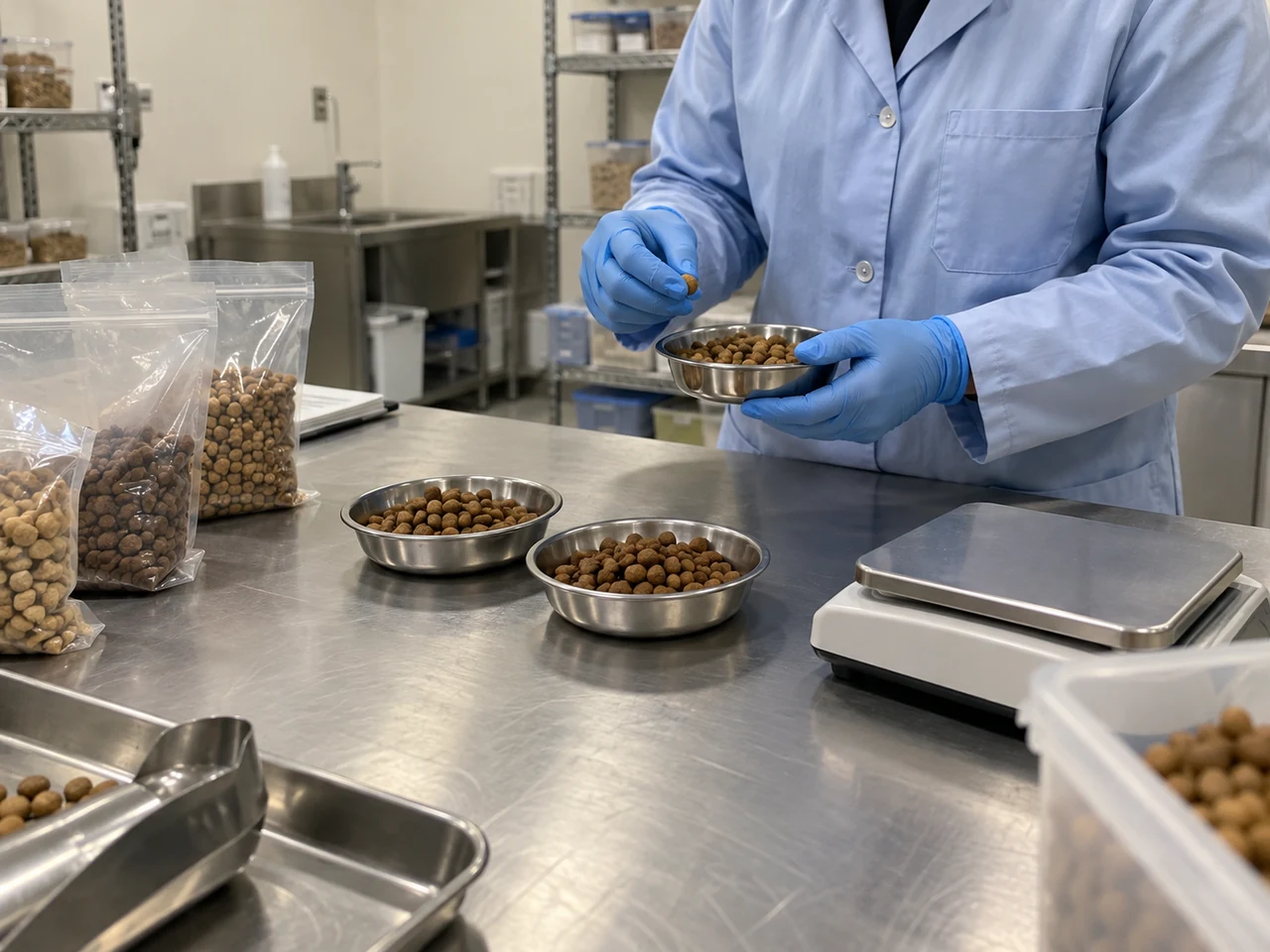
Define sample acceptance questions for each product difference. Do not assume that approval of one flavour, life stage or physical sample approves all products in the range.
When a product is shared across multiple bag sizes, confirm which product reference remains the same and which pack requirements need separate review. Keep each artwork version connected to the correct formula and net weight.
Record the change when a formula, bag feature or label statement is revised. Identify the affected SKUs and the approvals that must be revisited before the changed version becomes the basis of the order.
Plan your OEM project
Choose a launch and replenishment sequence
Decide which approved products launch together and how later orders will refer to the accepted versions.
Discuss production and delivery arrangements against the current approved mix. Do not treat a planned launch date or a previous order arrangement as a confirmed schedule for a different set of products.
| Stage | Planning question | Record to keep |
|---|---|---|
| First launch | Which rows are essential and fully defined? | The accepted first-order SKU matrix. |
| Later additions | Which products or pack versions remain optional? | Their open decisions and separate approval status. |
| Replenishment | Which versions need repeat orders first? | Current approved product and artwork references. |
| Changes | Has a formula, pack or market requirement changed? | The affected rows and updated approval record. |
Plan your OEM project
Send a range brief that can be reviewed
Make the next enquiry a structured product-and-pack review.
You can begin with estimated quantities and open questions. A short, consistent matrix gives the discussion a better starting point than a single total with no formula or packaging breakdown.
List the range
Identify each product, pack and artwork combination.
Rank the launch
Mark the essential first SKUs and optional later additions.
Review the scope
Confirm sample references, specifications, quantities and commercial assumptions.
Confirm the versions
Tie the order and later reorders to the accepted matrix and files.
READY FOR THE NEXT STEP?
Keep the range matrix current as decisions change.
Link the accepted samples, specifications and artwork to the order.
Plan your OEM project
Multi-SKU pet food OEM questions
Clarify range quantities, approval scope and version control before the first order.
01Can we discuss multiple cat and dog products together?
Yes. List each intended species, life stage, formula direction, pack size and artwork version. The feasibility and commercial scope are reviewed against that mix.
02Can the total quantity cover all product minimums?
Do not assume quantities can be pooled across every formula or packaging version. Provide a per-SKU breakdown and confirm how product and packaging minimums apply.
03Does one accepted sample approve the whole range?
Approval should identify the actual product and version reviewed. Define separate review requirements when formula, physical characteristics or intended use differ.
04How should language and pack-size versions be recorded?
Give each combination a clear reference linked to the selected formula, net weight, market and artwork file. Keep quantities and approval status against the same reference.
05Can we start with a smaller launch mix?
Identify the essential products and later additions. Review the initial mix against product, packaging and commercial requirements before committing to every planned version.
06What should be included for repeat orders?
Use the accepted product, pack and artwork references with current quantities. Identify changed requirements so they can be reviewed before using a previous approval as the order basis.
Explore product directions
Adult Cat Dry Food OEM & Private Label
An adult-cat dry food development direction for brand owners and importers, with project-specific formula, kibble, flavour and packaging choices.
Explore this direction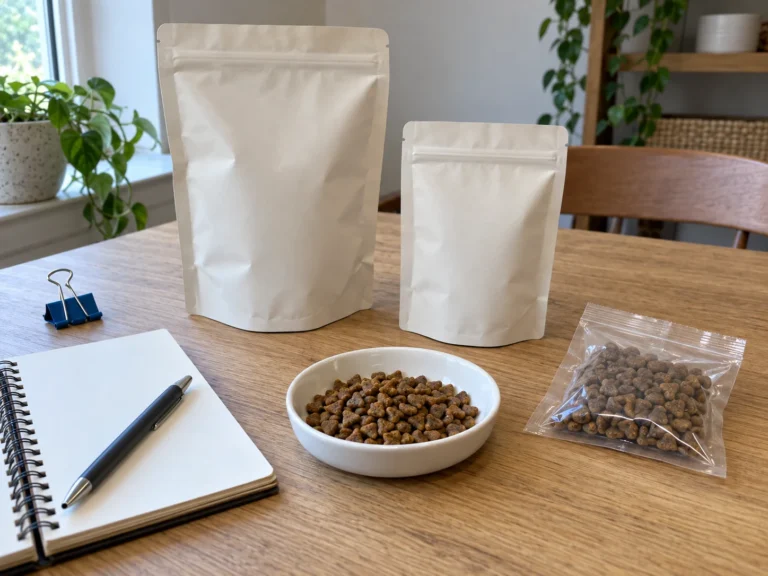
Kitten Dry Food OEM & Private Label
A kitten dry food development direction for brands planning a growth-stage SKU, with product specification, kibble and packaging reviewed for the project.
Explore this direction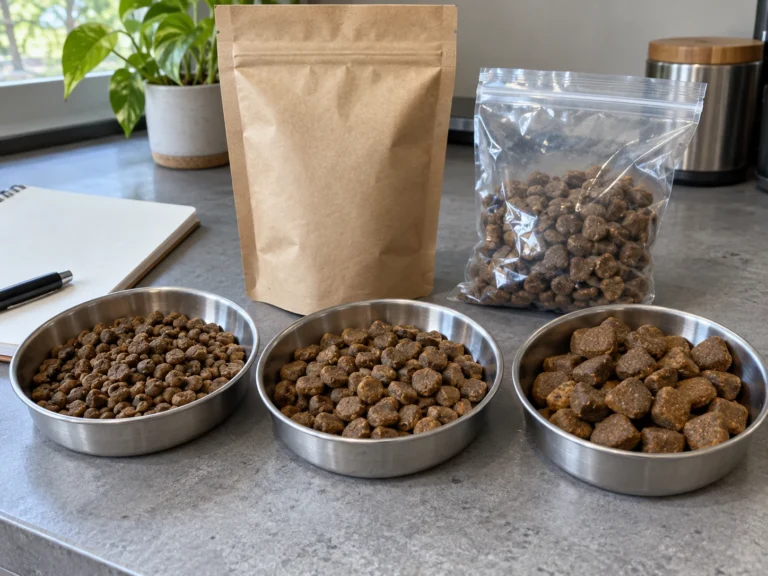
Adult Dog Dry Food OEM & Private Label
An adult dog dry food development direction for brands choosing breed-size kibble, flavour, positioning and packaging for a defined sales channel.
Explore this direction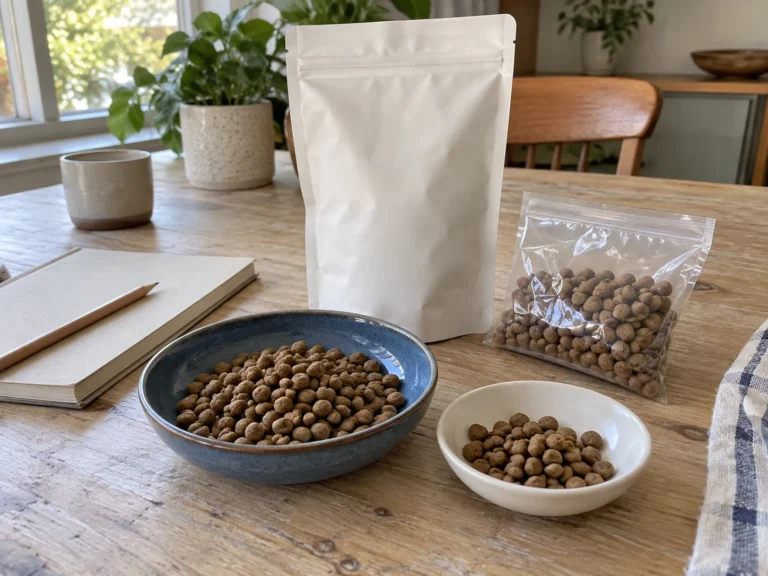
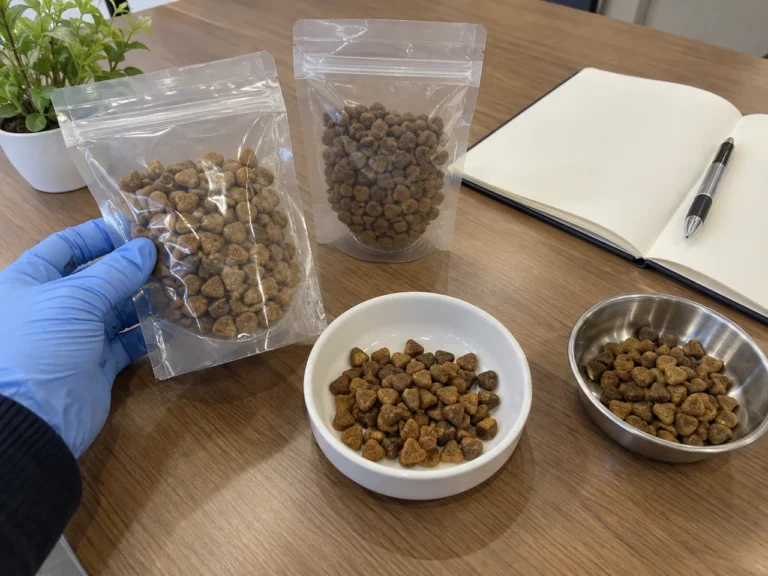
Puppy Dry Food OEM & Private Label
A puppy dry food development direction with life-stage, expected breed size, sample review and packaging defined for your private-label project.
Explore this directionRelated formula directions
Adult Cat Dry Food Formula
A qualitative adult-cat formula direction for structuring your development brief.
Explore this directionKitten Dry Food Formula
A qualitative kitten formula reference for preparing a distinct growth-stage product brief.
Explore this directionAdult Dog Dry Food Formula
A qualitative adult dog formula reference for discussing the product brief, ingredient preferences, sample requirements and final specification.
Explore this directionPuppy Dry Food Formula
A qualitative puppy formula reference for discussing the product brief, ingredient preferences, sample requirements and final specification.
Explore this directionContinue planning your project
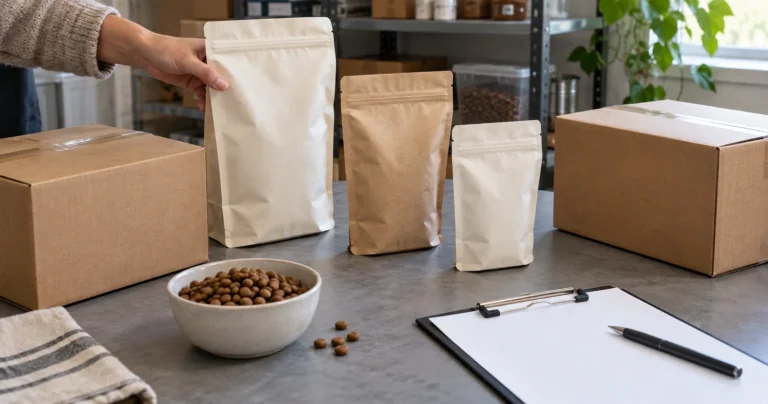
Pet Food MOQ and Order Planning
Understand pet food MOQ by product, packaging and SKU mix. Prepare a practical first order brief and confirm project-specific quantities with ZoePetSup.
Explore this direction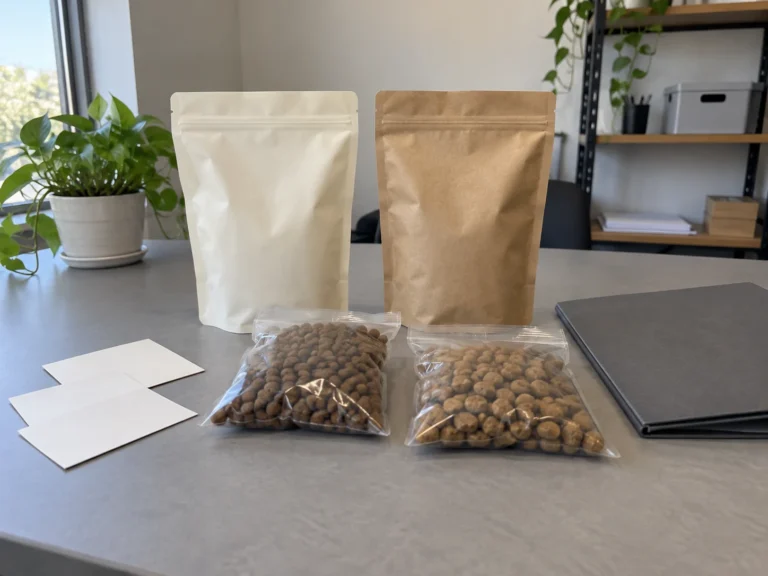
Repeat Pet Food Order Control
Prepare repeat pet food orders with clear product and pack versions, proposed changes, batch references and quantities. Review your next order with ZoePetSup.
Explore this directionStart with your requirements
Tell Arlo about your multi-SKU range
List the intended products, species and life stages, formula or flavour directions, pack sizes, language versions and estimated quantities. Mark which SKUs must launch first and which can follow.
Your contact at ZoePetSup
Hi, I’m Arlo.
Tell me which pet food project you are planning and what you need to confirm first. A rough brief helps us identify the next questions together.
- Destination market and sales channel
- Life stage, product and flavour direction
- Pack sizes and quantity per SKU
- Artwork status and target launch window