Dry dog food · small-breed OEM & private label
Small Breed Dry Dog Food OEM
Develop a small-breed dog food range with a defined life stage, practical kibble brief and clear sample acceptance criteria.
Tell ZoePetSup which dogs and market your brand serves. Connect the adult or puppy product direction with ingredient priorities, physical kibble preferences, pack sizes and quantity per SKU before finalising the launch specification.
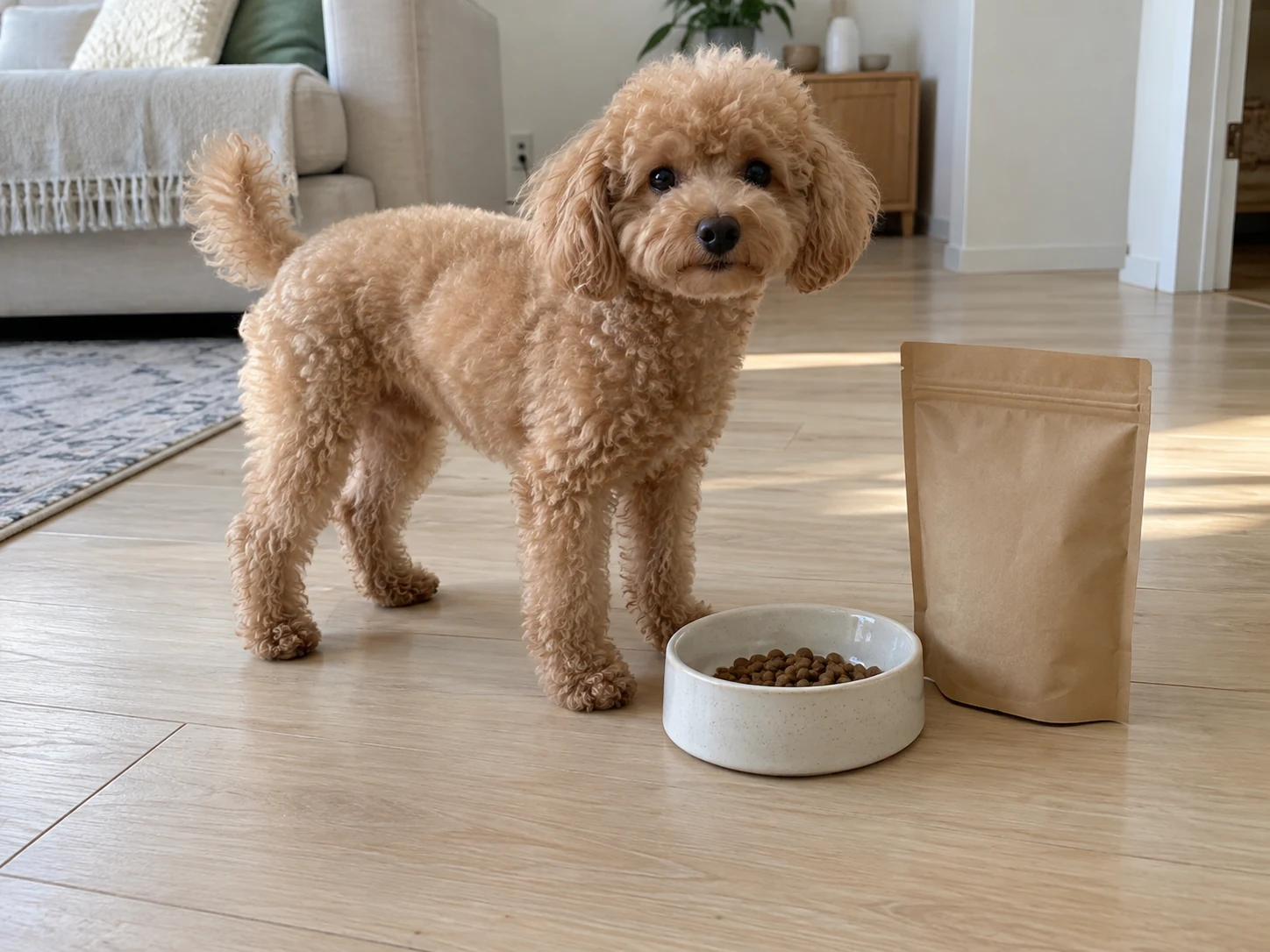
Review the formula, kibble, sample and pack together.
Your small-breed product decisions
Build your small-breed development brief
Define your small-breed product
Define the small-breed range your brand needs
Start with the intended dogs, life stage, market and role of each SKU in your product range.
A first small-breed SKU and a complete small-breed range create different development and order questions. Describe the intended dog group, adult or puppy focus, sales channel, target price position and the pack sizes your customers expect.
ZoePetSup can discuss small-, medium- and large-breed dry dog food directions, with chicken, beef, lamb and fish flavour options. For this project, identify the small-breed requirements that must be reflected in the selected formula, physical sample and pack information.
Bring any reference product or preferred kibble sample and explain which features you want to evaluate. A comparison is more useful when it identifies the specific size, texture, ingredient or presentation requirement behind the reference.
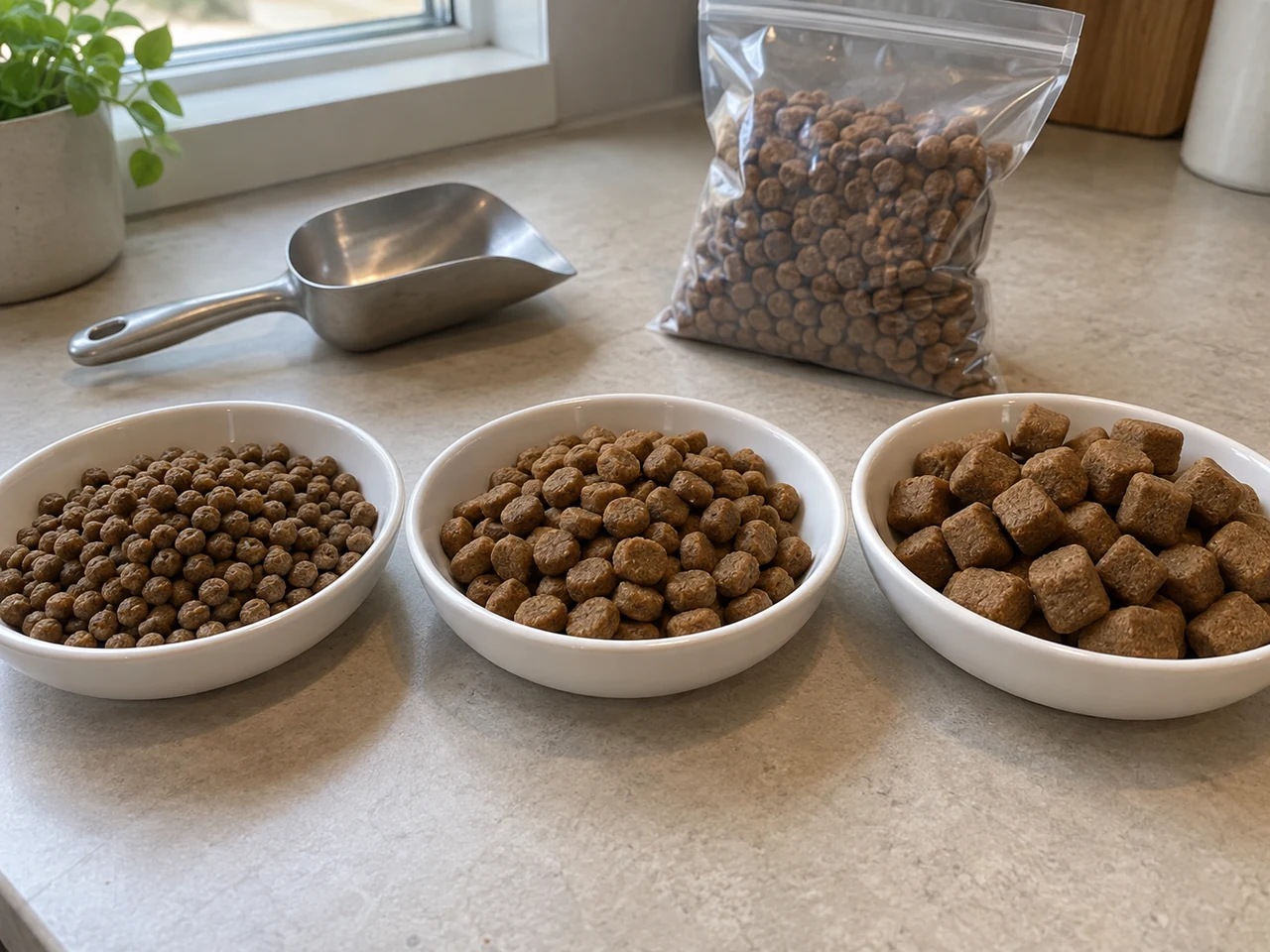
Define your small-breed product
Separate the life-stage specifications
Confirm the intended life stage for each SKU before choosing the formula reference or approving label wording.
A small kibble shape alone does not establish that a food meets the nutritional requirements of its intended life stage. Review the finished formula and product information separately from its appearance.
Where a nutritional adequacy statement is proposed, confirm the applicable destination-market basis and evidence for the actual finished product. Keep the reviewed formula and approved wording with the correct SKU version.
| Range direction | Include in the development brief | Keep clear at approval |
|---|---|---|
| Adult small-breed | Intended dog group, range position, ingredient preferences and finished-product objectives. | The accepted adult product specification and its proposed label basis. |
| Small-breed puppy | The intended growth-stage audience and any breed-size information relevant to the product review. | The specific puppy formula and supporting finished-product information. |
| Senior-positioned range | The intended dogs and product objectives you want the range to address. | The complete finished specification and market-appropriate label basis. |
Define your small-breed product
Make the kibble brief measurable
Describe the physical characteristics your sample must demonstrate, then agree the relevant dimensions and acceptance checks.
Use a physical reference when dimensions are central to your product concept. Confirm the selected dimensions for the project instead of assuming that a generic “small breed” label defines one universal kibble size.
Forming, moisture and coating checkpoints belong to the quality review. If a change in shape or texture is requested after sample approval, identify the change and confirm which specifications need to be reviewed again.
| Physical requirement | What to specify | What to review in the sample |
|---|---|---|
| Size and shape | Target dimensions, preferred form and the intended dog group. | The agreed sample size range and consistency of the selected shape. |
| Texture | The bite and handling characteristics you want to evaluate. | A clearly defined physical review rather than a photograph alone. |
| Surface and coating | Appearance, handling and any coating preferences relevant to the brief. | Visible uniformity and the agreed finished-product checks. |
| Pack handling | Expected bag size, storage and distribution conditions. | The sample product and proposed packaging as one combination. |
AGREE WHAT YOUR SAMPLE NEEDS TO SHOW
Connect the life stage and physical kibble brief.
Define the questions to review before choosing the sample and pack.
Define your small-breed product
Connect the formula with your range position
Bring ingredient, nutrition-information and commercial priorities into the same small-breed product brief.
Adult-dog and puppy Formula pages are qualitative starting references for discussion. The final composition, analysis, public wording and physical sample are confirmed for the specific product.
Ingredient and flavour priorities
Choose the preferred flavour direction and identify ingredient-source requirements or exclusions that matter to your brand. Ask how the proposed formula addresses those inputs.
Finished-product information
Request the nutrient specification, relevant energy information and proposed feeding or label information for the selected SKU. Keep the basis and units clear when comparing options.
Range and price position
Explain whether the product is a value, mainstream or premium-style range and which features customers need to recognise. Prioritise the features that matter before expanding the SKU mix.
Define your small-breed product
Review samples against agreed questions
Use the sample review to resolve defined product decisions and record the version accepted for the next stage.
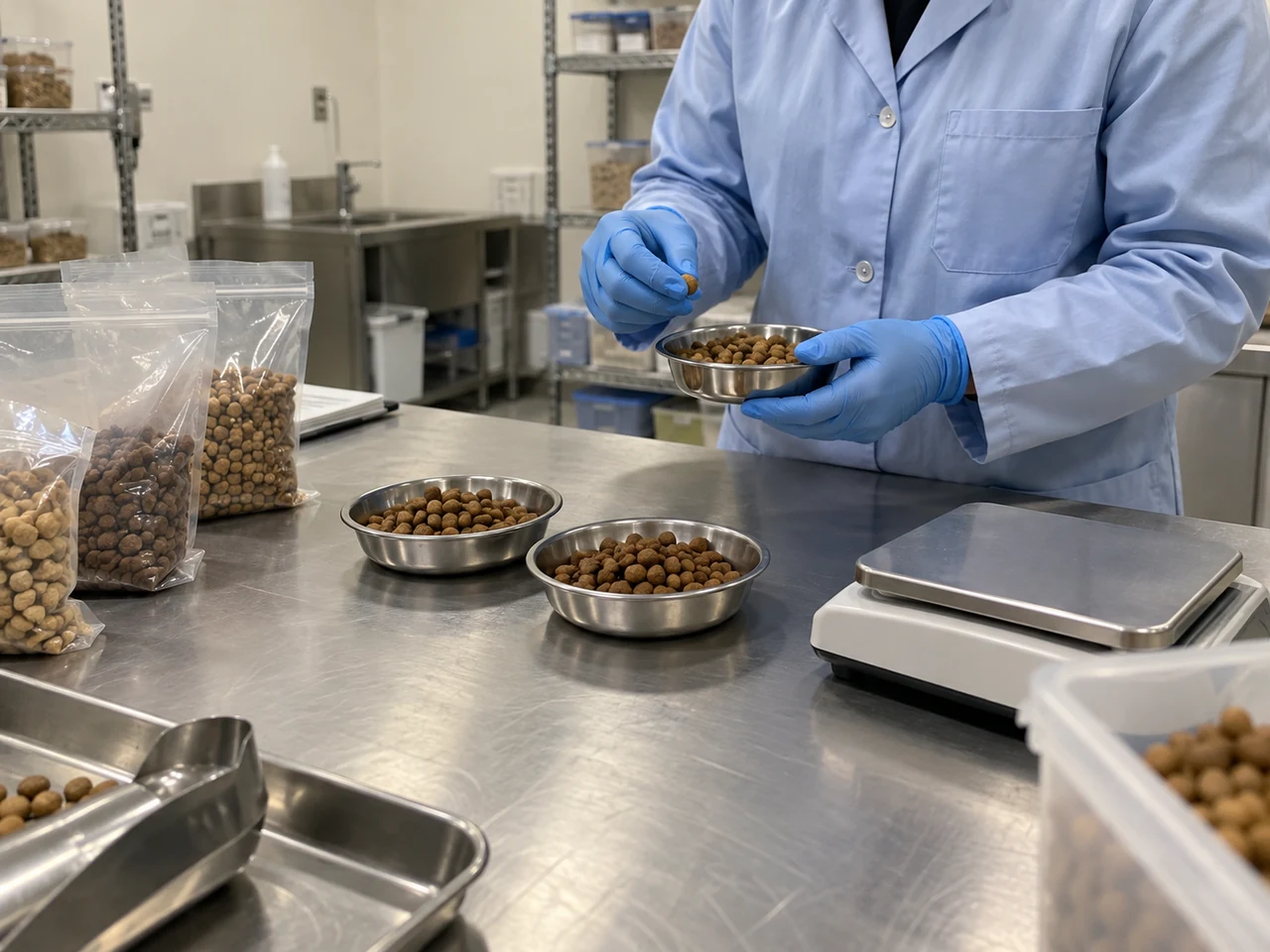
Before requesting samples, list what you need to assess: kibble size and shape, texture, appearance, handling or another agreed characteristic. Identify any product information or tests that your quality team needs alongside the physical sample.
Record the sample reference, formula direction and review comments together. A visual or handling assessment serves a different purpose from nutritional information or a defined evaluation of acceptance by the intended dogs; agree the appropriate scope for each question.
When a sample is accepted, connect it with the final product specification, packaging choice and artwork version. Confirm changed requirements before treating an earlier sample as the approval basis for a new SKU.
Define your small-breed product
Turn the chosen direction into a launch brief
Coordinate the product, sample, pack and order decisions before confirming the production scope.
Dog food pack directions include 1–3 kg retail packs, 5–8 kg family packs and 10–20 kg bulk bags. Select the format for the channel and intended use; the applicable quantities and commercial terms are confirmed against the proposed product and packaging.
Define the SKU
Name the small-breed audience and life stage, formula priorities, physical requirements and intended market.
Review the sample
Agree the evaluation questions and record the accepted product reference and any required changes.
Confirm the pack
Select the bag size and format, review the label information and identify each artwork version.
Confirm the order
Request product and packaging minimums per SKU, the quoted scope and the available production and delivery arrangements.
READY FOR THE NEXT STEP?
Keep the accepted sample linked to the final specification.
Share the selected SKU, pack sizes and order priorities.
Define your small-breed product
Small-breed dog food OEM questions
Clarify the product and order assumptions before moving into samples or artwork.
01Can we develop a small-breed adult or puppy product?
Yes. Small-breed and puppy/adult directions can be discussed for your brand. Define the intended dogs and life stage so the formula, physical sample and finished-product information are reviewed against the correct brief.
02Is there one standard kibble size for every small-breed project?
Specify the dimensions, shape and physical characteristics you want to assess. The selected sample and agreed specification establish the project requirements; a generic product category or illustration does not define exact dimensions.
03Can we choose the flavour and ingredient direction?
Chicken, beef, lamb and fish flavour directions can be discussed. Include ingredient priorities, source requirements and exclusions so the proposed finished formula can be reviewed for your project.
04Does a small kibble automatically mean the nutrition is suitable?
Review the finished formula and intended life-stage specification separately from kibble appearance. Request the relevant product information and confirm the basis of any market-specific nutritional adequacy wording.
05What is the minimum order for a small-breed SKU?
Provide the product direction, bag size, artwork versions and quantity per SKU. Product and packaging minimums are confirmed for that scope, together with sample charges and commercial arrangements.
06What should I send to start the discussion?
Send the destination country, intended dog group and life stage, preferred formula direction, kibble reference or physical requirements, pack sizes and quantity estimate. Include the questions your sample review needs to resolve.
Explore product directions
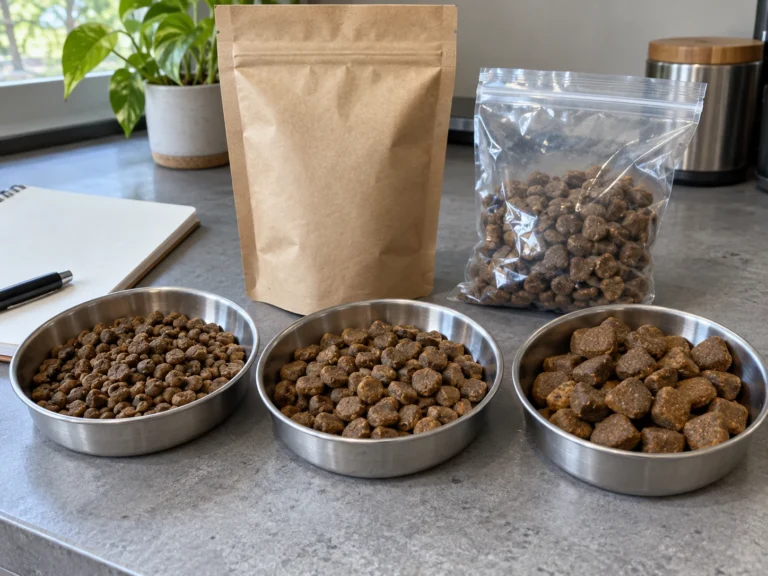
Adult Dog Dry Food OEM & Private Label
An adult dog dry food development direction for brands choosing breed-size kibble, flavour, positioning and packaging for a defined sales channel.
Explore this direction
Puppy Dry Food OEM & Private Label
A puppy dry food development direction with life-stage, expected breed size, sample review and packaging defined for your private-label project.
Explore this directionRelated formula directions
Adult Dog Dry Food Formula
A qualitative adult dog formula reference for discussing the product brief, ingredient preferences, sample requirements and final specification.
Explore this directionPuppy Dry Food Formula
A qualitative puppy formula reference for discussing the product brief, ingredient preferences, sample requirements and final specification.
Explore this directionContinue planning your project
Custom Dry Dog Food for Your Brand
Plan custom dry dog food around life stage, breed size, formula direction, packaging and sample review. Discuss a focused product range with ZoePetSup.
Explore this directionPrivate Label Dog Food for Your Brand
Plan a private label dry dog food range with product, sample, packaging and order requirements. Review adult and puppy directions with ZoePetSup.
Explore this directionStart with your requirements
Tell Arlo about your small-breed dog food project
Share the destination, intended dog group and life stage, formula direction, kibble preferences, pack sizes and estimated quantity per SKU. Add the sample or label questions you need to resolve.
Your contact at ZoePetSup
Hi, I’m Arlo.
Tell me which pet food project you are planning and what you need to confirm first. A rough brief helps us identify the next questions together.
- Destination market and sales channel
- Life stage, product and flavour direction
- Pack sizes and quantity per SKU
- Artwork status and target launch window