Dry cat & dog food · differentiated brand ranges
Premium Private Label Pet Food
Define the product features that make your premium range meaningful, then connect each proposed selling point with the formula, sample and supporting information.
ZoePetSup can discuss premium-style dry cat and dog food projects for your brand. Bring the customer need, ingredient priorities and pack expectations you want the range to address so development starts with a clear brief.
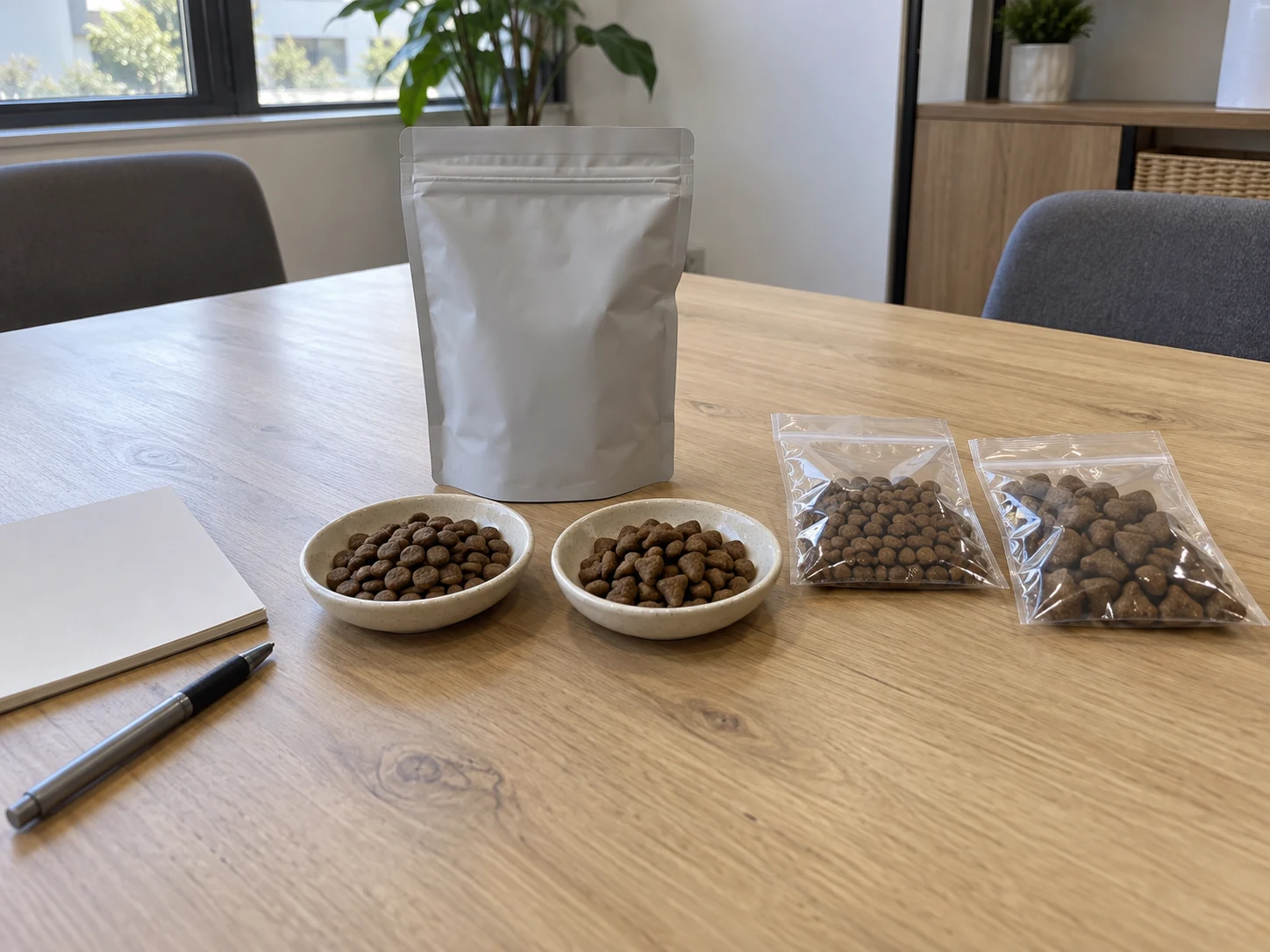
Connect the customer need, product and supporting information.
Your premium-range decisions
Build a differentiated range brief
Plan your OEM project
Define the reason to choose your range
Describe the customer need and the specific product features behind your premium positioning.
Premium can describe many different range ideas. Choose the features your customers need to recognise, such as a defined ingredient direction, an intended life stage, a physical product preference or a particular pack experience. Explain which features matter most.
A clear brief separates the intended product from its presentation. Show the ingredient, finished-product and sample requirements alongside the brand story so a polished bag does not become the only point of difference.
ZoePetSup can discuss dry cat and dog food directions across flavours, life stages and range positions. The selected formula, analysis, physical specification and public wording are confirmed for the project.
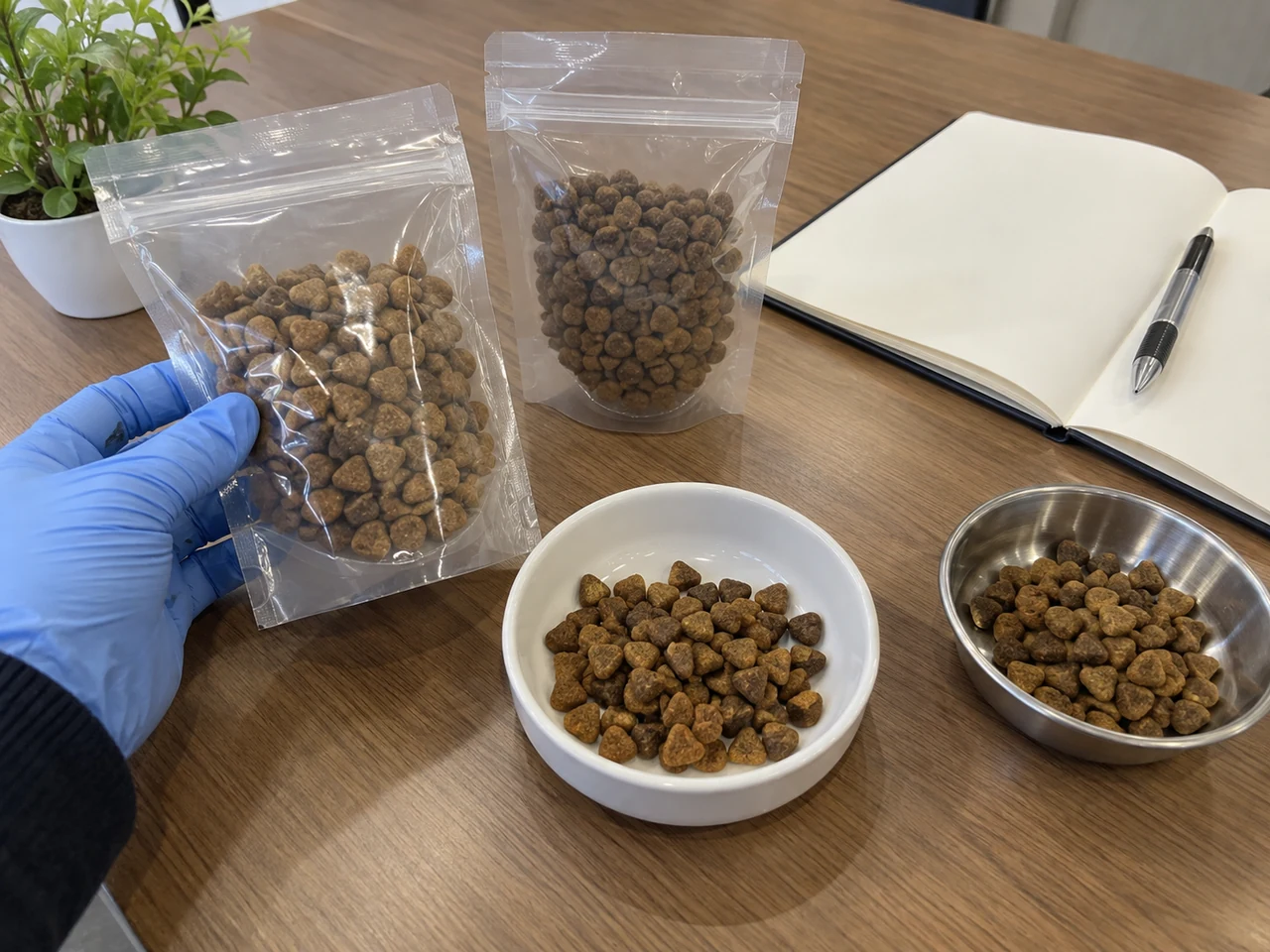
Plan your OEM project
Turn each selling point into a review question
Identify what the customer should notice and the information needed to support that feature.
Avoid using an undefined premium label as a substitute for a specification. If an ingredient percentage, sourcing statement or other factual claim is proposed, identify the relevant supporting information for the actual product.
The ingredient list alone does not answer every product question. Keep the finished analysis, intended-use information and sample review within the same approval package.
| Proposed difference | Define in the brief | Review before approval |
|---|---|---|
| Ingredient direction | The source, inclusion or exclusion requirement and intended wording. | The selected formula and evidence relevant to the claim. |
| Life-stage focus | The intended cats or dogs and product objectives. | The finished specification and market-appropriate label basis. |
| Physical product | Shape, texture, appearance and handling priorities. | An identified sample and agreed acceptance criteria. |
| Pack experience | Format, opening, reclosing, presentation and information priorities. | The accepted pack sample and complete artwork version. |
Plan your OEM project
Choose the product directions your range needs
Build the range around intended customers and product objectives before adding more flavours or pack versions.
Product and Formula references provide starting points for enquiry. Final composition, analysis, exact dimensions and supported claims belong to the selected project specification rather than the reference page alone.
Cat food range
Adult-cat and kitten directions can be discussed, together with flavour and product-positioning priorities. Confirm the finished specification and wording for each selected SKU.
Dog food range
Adult-dog and puppy directions can be discussed with breed-group and physical product requirements. Keep intended use and life-stage review clear for every product.
Range architecture
Choose how the first products fit together and which features remain consistent. Treat each formula, pack size and language version as an identifiable part of the range.
DEFINE THE REQUIREMENTS THAT MATTER
Make the proposed differences specific.
Link the formula, sample and evidence to the features your brand wants to communicate.
Plan your OEM project
Review evidence alongside the sample
Agree what a physical sample can show and which claims require supporting product information.
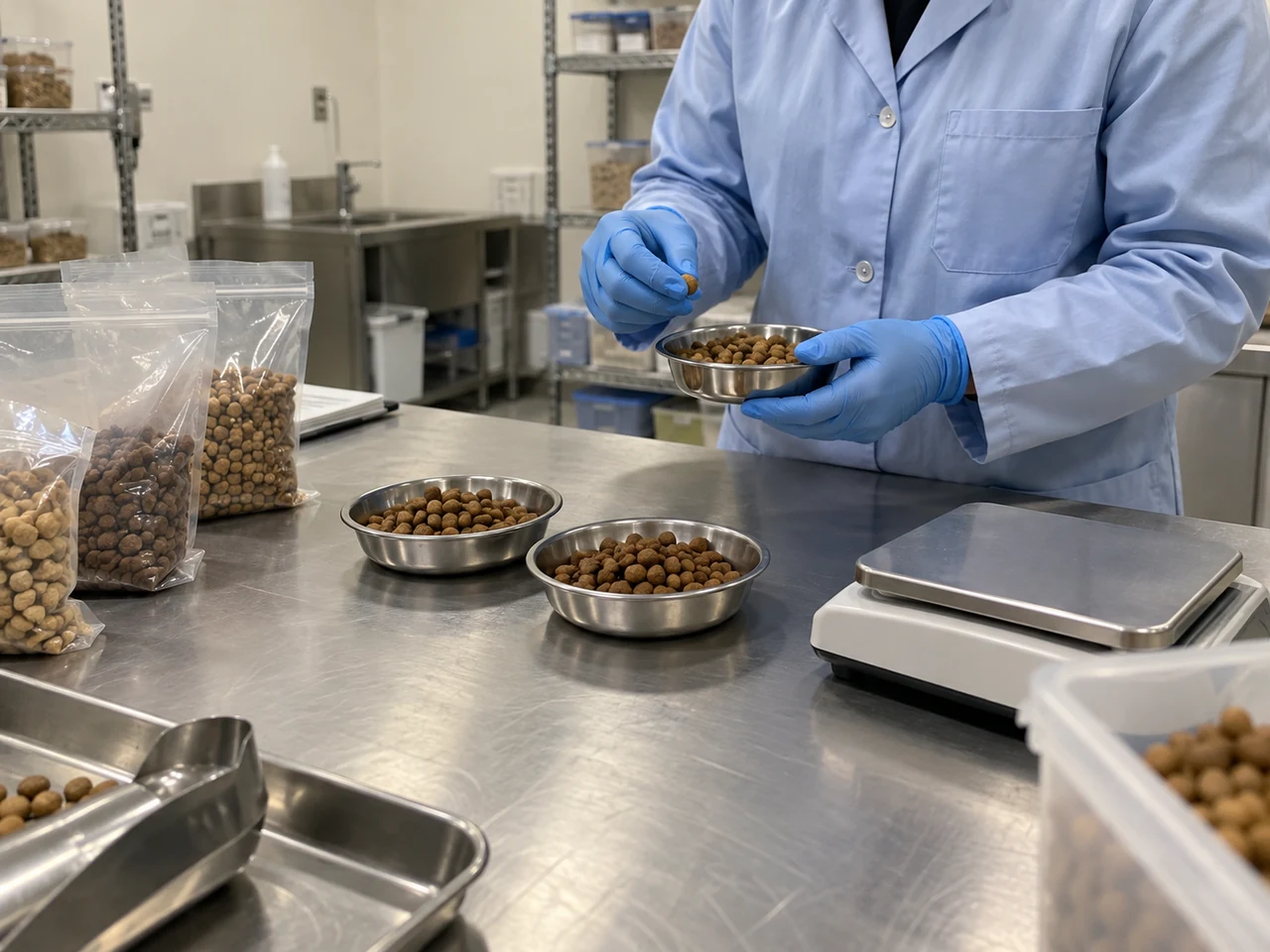
List the sample questions before the review: physical appearance, texture, dimensions, handling or pack presentation. Define a separate evaluation when the project needs to assess acceptance or another performance question.
Request the finished-product information relevant to your market and intended use. Match the sample reference, formula version, test information and proposed public wording so the reviewer can see which product each record describes.
Health, comparative performance, ingredient-origin and other factual statements need an appropriate basis. Confirm the evidence and destination-market wording before using those statements in artwork or sales materials.
Plan your OEM project
Make the packaging match the product story
Use the approved product information to plan the pack format and information hierarchy.
Confirm construction and product protection requirements as well as appearance. A premium-looking illustration does not demonstrate barrier performance, recyclability or the final specification of a commercial bag.
| Pack decision | What your team should resolve | Approval input |
|---|---|---|
| Presentation | Which features need to be recognised at shelf or online? | An agreed front-panel hierarchy based on supported wording. |
| Product information | Which market and language versions are required? | Reviewed source copy for the selected product. |
| Functional format | Which opening, closure and handling features matter? | The accepted bag construction and physical sample. |
| Version control | How many product, size and language combinations will launch? | A version list linking formula, net weight, artwork and quantity. |
Plan your OEM project
Select a coherent first launch
Prioritise the differences your brand can explain and support in the first order.
Discuss priorities when the desired features exceed the initial project scope. Keep the essential product requirements visible and mark optional features so the quotation can address a feasible first range.
Define the customer need
Name the intended animals, customer, market and reason to choose the range.
Review the product
Link the proposed features to the formula, sample and required evidence.
Confirm the presentation
Approve the pack and artwork against the selected product information.
Agree the launch mix
Confirm per-SKU quantities, commercial scope and production arrangements.
READY FOR THE NEXT STEP?
Keep the product story aligned with the accepted version.
Confirm the specification, pack and supported wording together.
Plan your OEM project
Premium private label pet food questions
Clarify differentiation, evidence and launch scope before approving the range.
01What does premium mean for an OEM project?
Define the specific features behind the position, such as ingredient priorities, intended use, physical characteristics or pack experience. The final specification and evidence make the proposed differences reviewable.
02Can we discuss ingredient requirements or exclusions?
Yes. Include the exact requirements and proposed public wording. Review the selected formula and relevant supporting information before confirming a claim.
03Does the range label establish a health or performance benefit?
A premium label alone does not establish a benefit. Review the actual product, appropriate evidence and destination-market wording for each proposed claim.
04Can we launch cat and dog products together?
Discuss the intended SKU mix, but keep species, life stage, formula, pack and artwork versions clear. Each product needs its own accepted specification and approval reference.
05How can we compare samples fairly?
Use the same defined questions for comparable options and identify each sample. Request the product information needed for questions that physical appearance cannot resolve.
06What is needed for the first enquiry?
Send the market, intended animals and life stage, customer need, ingredient and product priorities, proposed selling points, pack sizes and quantities. Include the evidence your team expects.
Explore product directions
Adult Cat Dry Food OEM & Private Label
An adult-cat dry food development direction for brand owners and importers, with project-specific formula, kibble, flavour and packaging choices.
Explore this direction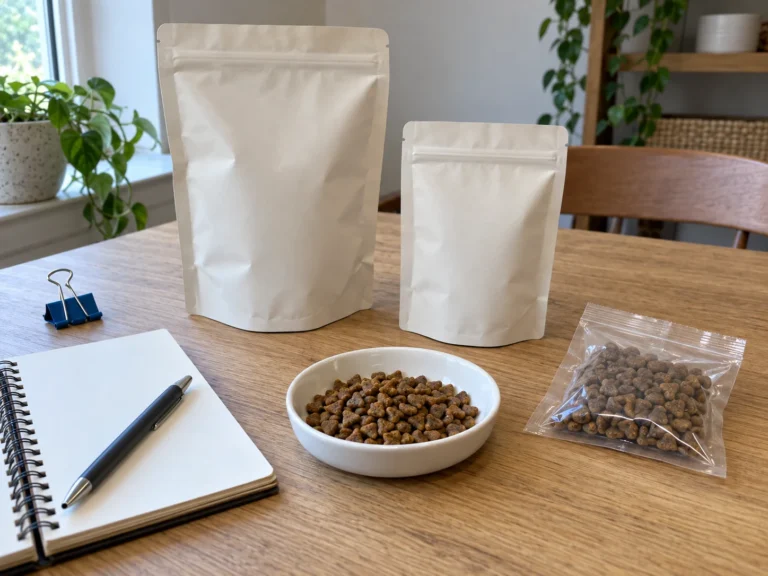
Kitten Dry Food OEM & Private Label
A kitten dry food development direction for brands planning a growth-stage SKU, with product specification, kibble and packaging reviewed for the project.
Explore this direction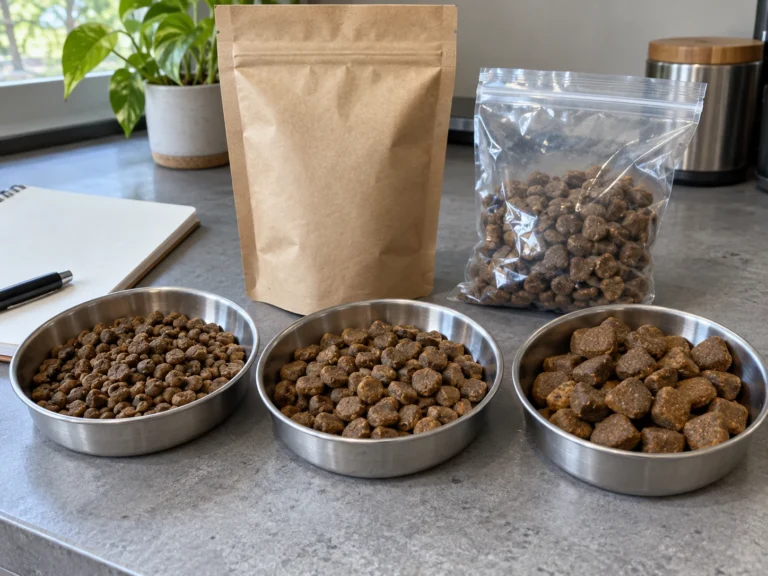
Adult Dog Dry Food OEM & Private Label
An adult dog dry food development direction for brands choosing breed-size kibble, flavour, positioning and packaging for a defined sales channel.
Explore this direction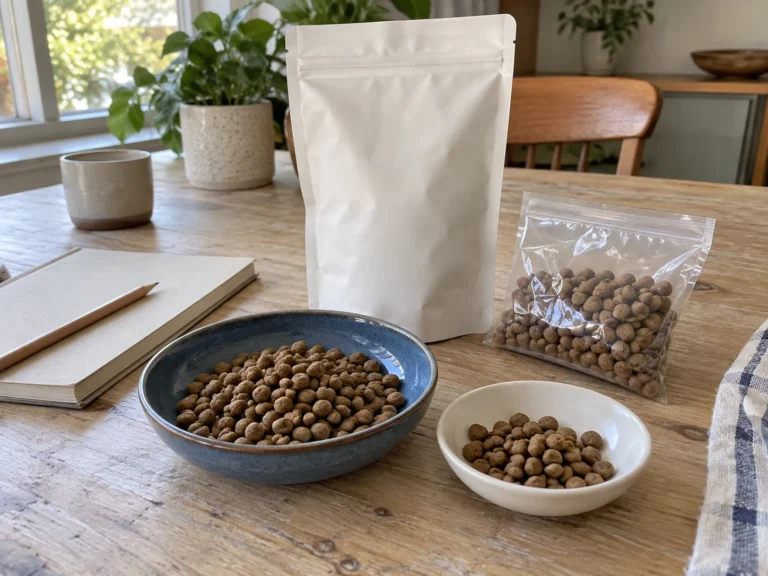
Puppy Dry Food OEM & Private Label
A puppy dry food development direction with life-stage, expected breed size, sample review and packaging defined for your private-label project.
Explore this directionRelated formula directions
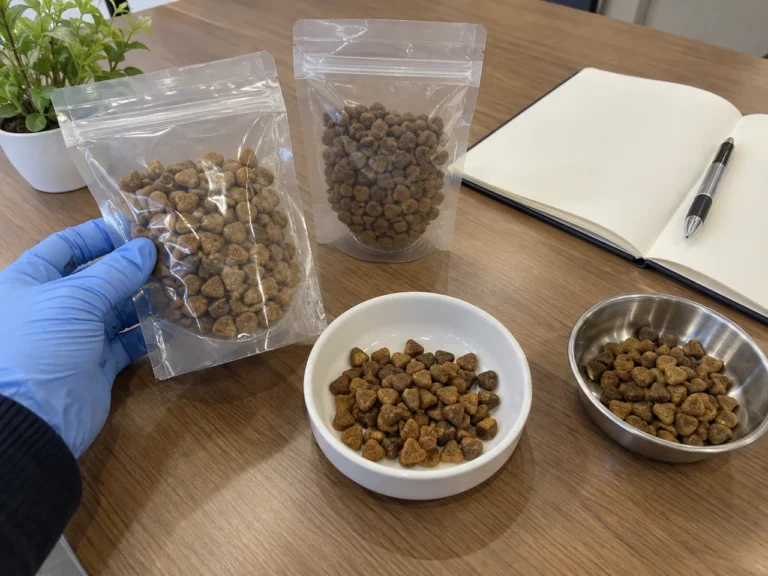
Adult Cat Dry Food Formula
A qualitative adult-cat formula direction for structuring your development brief.
Explore this directionKitten Dry Food Formula
A qualitative kitten formula reference for preparing a distinct growth-stage product brief.
Explore this directionAdult Dog Dry Food Formula
A qualitative adult dog formula reference for discussing the product brief, ingredient preferences, sample requirements and final specification.
Explore this directionPuppy Dry Food Formula
A qualitative puppy formula reference for discussing the product brief, ingredient preferences, sample requirements and final specification.
Explore this directionContinue planning your project
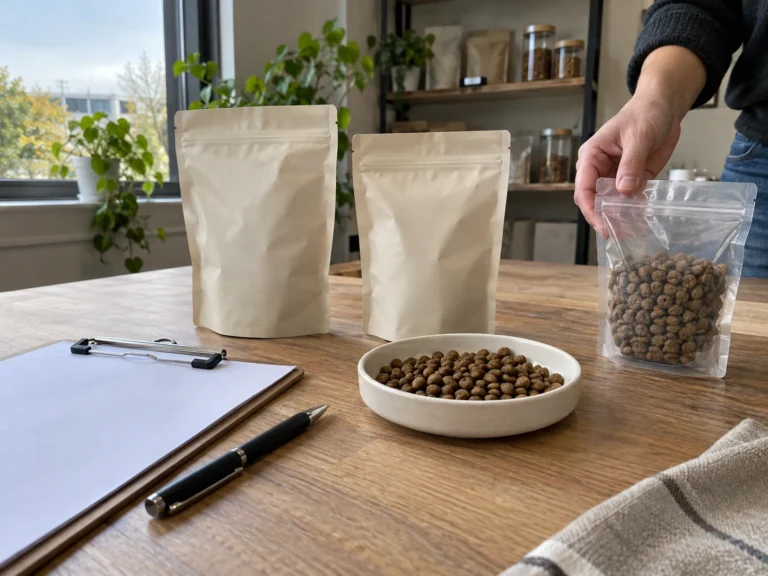
Custom Dry Cat Food for Your Brand
Develop a custom dry cat food SKU around your market, life stage, ingredients, kibble and packaging. Discuss samples and your product brief with ZoePetSup.
Explore this direction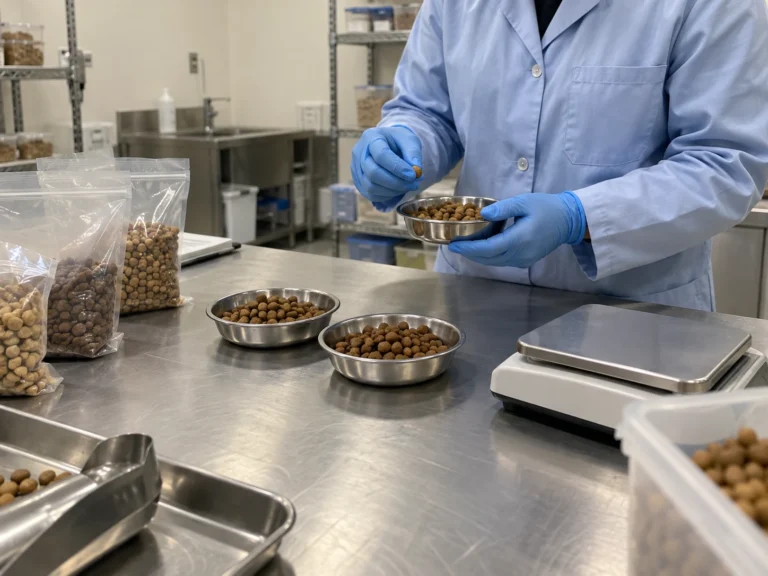
Dry Pet Food Inspection Planning
Plan dry pet food inspection with clear specifications, sample and batch references, requested checks and release responsibilities for your OEM order.
Explore this directionStart with your requirements
Tell Arlo about your premium pet food range
Share the market, intended cats or dogs and life stage, customer need, ingredient priorities, proposed selling points, pack sizes and quantity per SKU. Include any evidence your team requires.
Your contact at ZoePetSup
Hi, I’m Arlo.
Tell me which pet food project you are planning and what you need to confirm first. A rough brief helps us identify the next questions together.
- Destination market and sales channel
- Life stage, product and flavour direction
- Pack sizes and quantity per SKU
- Artwork status and target launch window