OEM packaging coordination · market and language versions
Multilingual Pet Food Labels
Organise multilingual pet food labels with a clear market matrix, reviewed source copy and controlled artwork versions.
Bring the destinations and languages planned for your dry-food or soft-chew project. Coordinate the product information, translation review and pack layout so each printed version stays linked to the correct product and market.
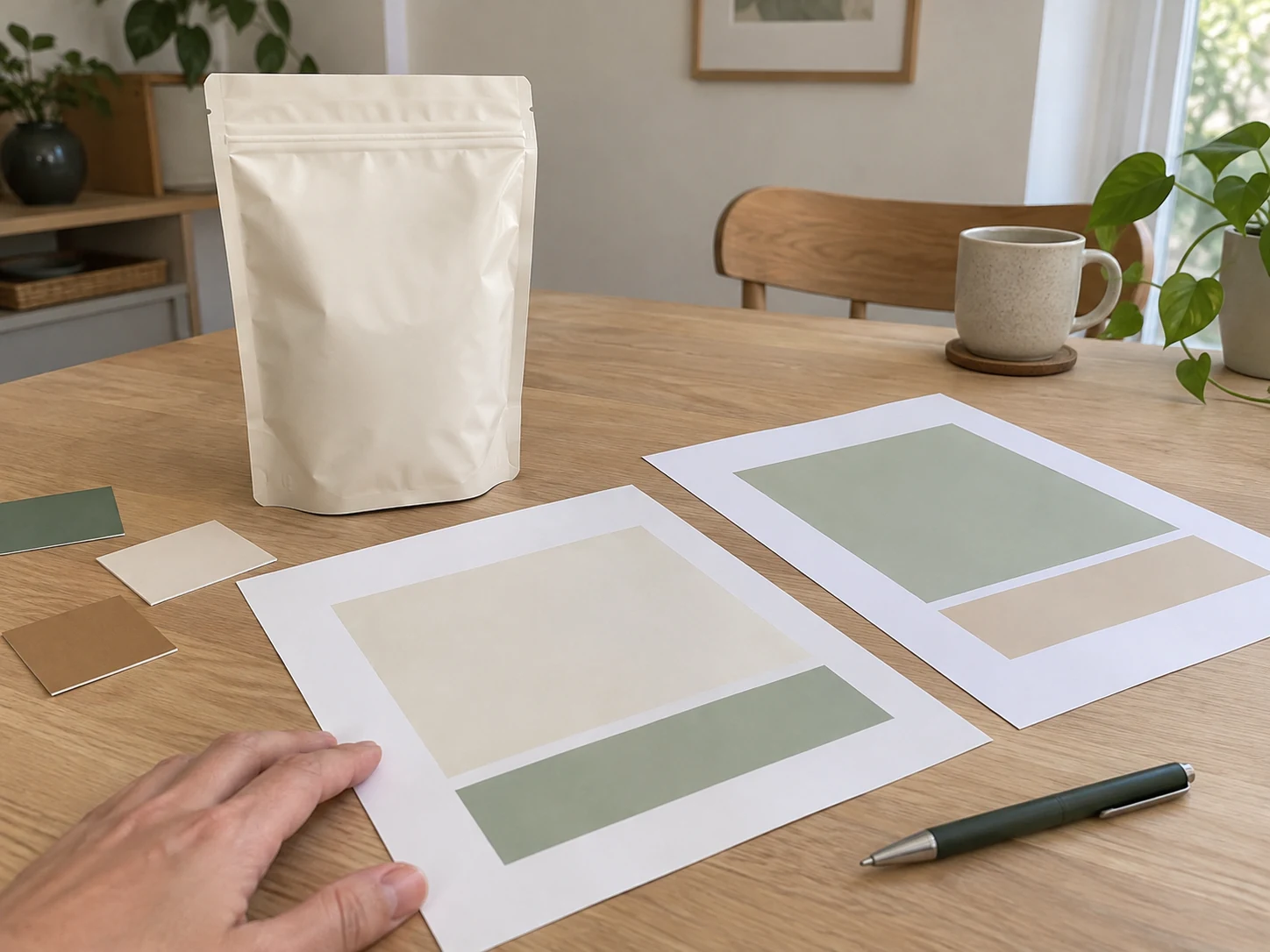
Link the product, reviewed wording and artwork files.
Your multilingual label decisions
Plan your language and artwork versions
Plan your OEM project
Map markets and languages before artwork
List the product, destination, language and pack combinations that need separate review.
A multilingual pack and several separate market packs create different layout and version questions. Begin with a matrix showing the selected product, destination, intended languages, net weight and proposed artwork reference.
Do not assume that one translation or one approved pack automatically covers every destination. Identify the reviewer responsible for each market and the source information they need before the layout is treated as ready for print.
Label coordination sits within the agreed OEM packaging scope. Confirm who supplies the technical information, who provides the translations and who approves the final market wording.
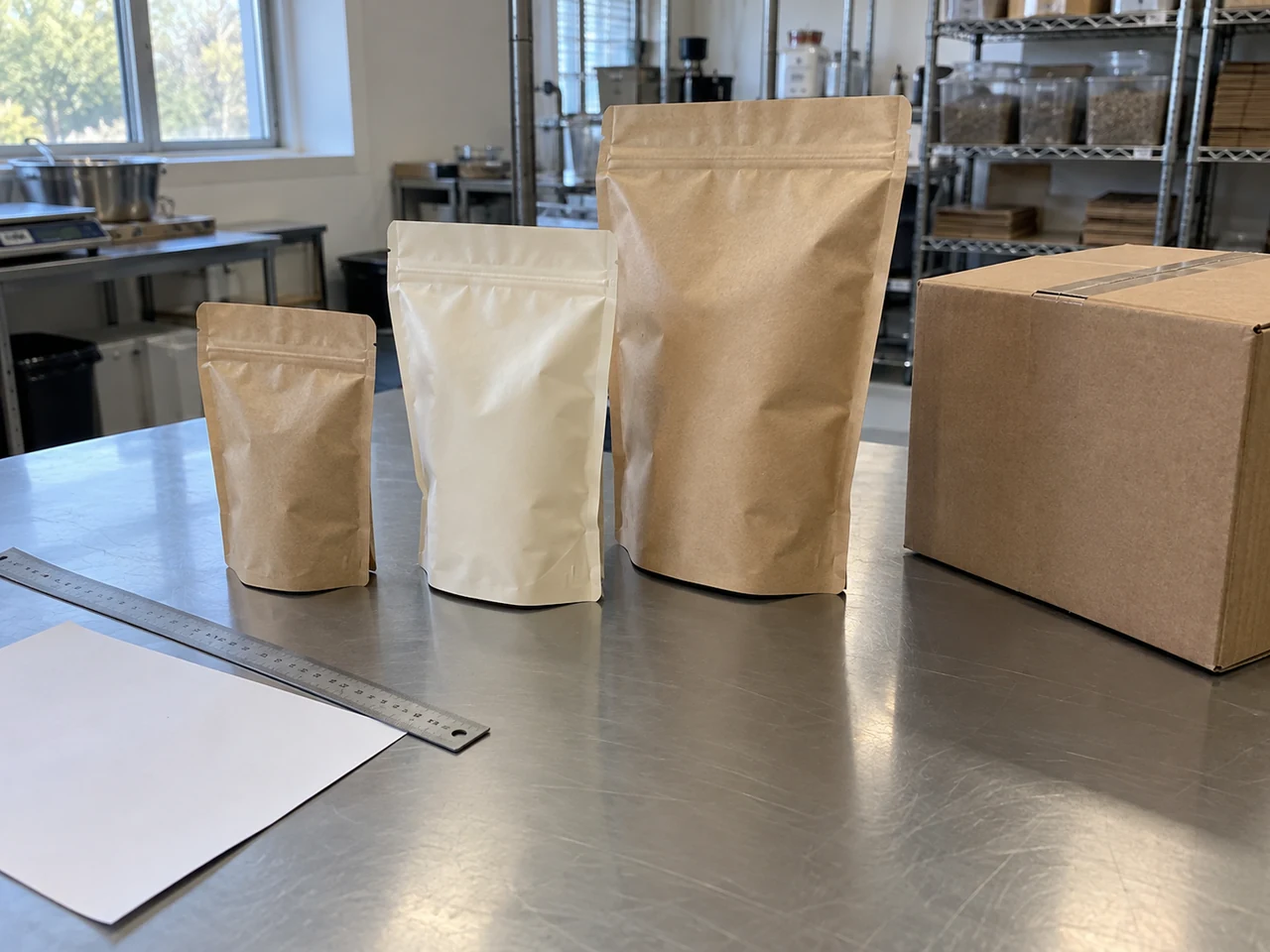
Plan your OEM project
Establish one reviewed source copy
Confirm the product information before translating or fitting it into the pack.
Keep technical values and units consistent with the selected product reference. Mark missing information and unresolved wording before translation starts rather than filling gaps with an assumption.
A source-copy update can affect several translations and artwork files. Identify the affected versions whenever formula information, net weight or proposed wording changes.
| Source area | Confirm first | Version link |
|---|---|---|
| Product identity | Selected product, species, intended use and life stage where applicable. | The accepted finished-product specification. |
| Technical information | Ingredients, analysis, feeding or use information and other required source data. | The reviewed product information with clear units. |
| Claims and descriptions | Proposed product, ingredient or benefit wording. | Supporting information and the responsible market review. |
| Commercial details | Net weight, responsible business details and other agreed pack information. | The correct product, pack size and market version. |
Plan your OEM project
Define translation and approval responsibilities
Agree who supplies, checks and approves each language version before print release.
Do not use an unreviewed automatic translation as the final approval record. Confirm the qualified review and commercial responsibilities agreed for the project; language coordination does not itself establish regulatory acceptance.
Meaning and terminology
Give the translation reviewer the approved source copy and product context. Keep product names, ingredient terms, instructions and units tied to the same source version.
Market review
Ask the responsible reviewer to confirm the wording for the intended destination. Translation completion and market-specific label review are separate approval questions.
Change control
Record the source version, language version, reviewer and revision date. Revisit affected translations when the underlying product information changes.
DEFINE THE REQUIREMENTS THAT MATTER
Confirm the source copy before layout.
Keep technical values, translations and market review linked to the correct product.
Plan your OEM project
Check the full language version in the pack
Review the wording in its final panel layout so fit, legibility and product identity are checked together.
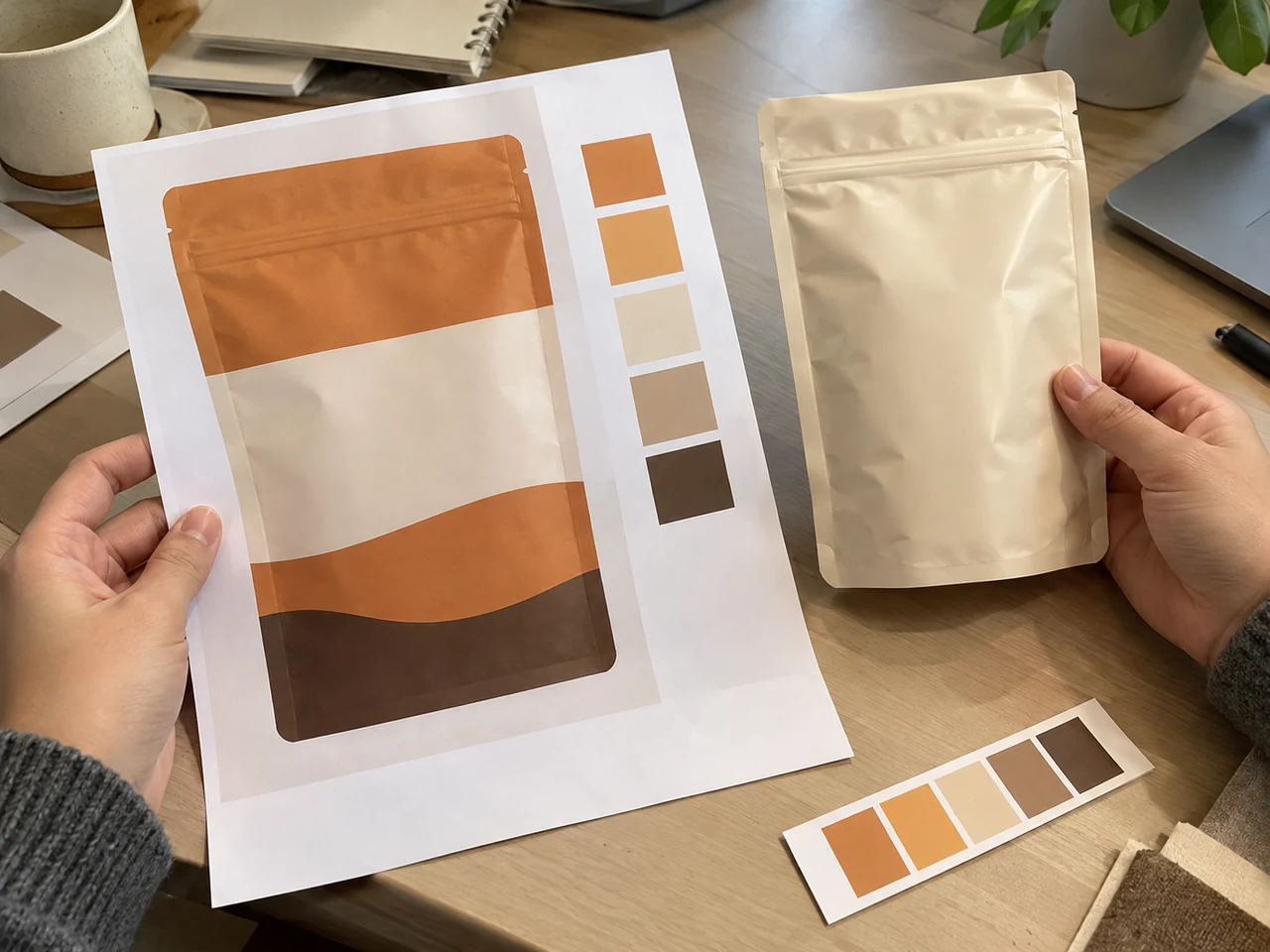
Provide the final reviewed language copy for each artwork version. Check that headings, paragraphs, units and symbols fit the intended information areas and that no text is missing or obscured by the pack construction.
Review the production file against the agreed print requirements, including linked assets, fonts, text overflow and image quality where relevant. Keep required technical settings tied to the actual printer and pack rather than assuming one universal template.
When a print proof or physical sample is part of the scope, identify the version being checked and record the remaining changes. An illustrative blank-panel photo does not represent an approved translation or customer artwork.
Plan your OEM project
Keep language versions connected to the order
Use a controlled reference for each product, language and pack combination.
A shared design can still need separate review when the language, net weight, product or market changes. Confirm the minimums and quotation scope for the actual printed-version mix.
| Register field | What to record | Check before release |
|---|---|---|
| Product and pack | Formula reference, species, net weight and bag or container format. | The source copy belongs to the ordered product. |
| Market and language | Destinations and all language versions on that artwork. | The responsible reviewers have checked the intended use. |
| File and approval | Artwork reference, revision and approval record. | The final file matches the accepted wording and layout. |
| Quantity | Estimated units per printed version and order priority. | Product and packaging quantities reflect the actual mix. |
Plan your OEM project
Release the reviewed version
Connect the product information, language review, artwork and order before confirming print.
For later orders, identify any changes in product information, market requirements or business details before reusing the previous artwork. Keep the current approval linked to the file that will actually be printed.
Map the versions
Identify each product, market, language and pack combination.
Approve source and translations
Confirm the technical source, responsibilities and reviewed language copy.
Review the final layout
Check the complete artwork and any agreed proof against the accepted requirements.
Confirm the release
Use the approved file reference and quantity for each printed version.
READY FOR THE NEXT STEP?
Release the approved language and artwork version.
Check the final file against the product, market and order matrix.
Plan your OEM project
Multilingual pet food label questions
Clarify wording, responsibilities and version scope before the artwork stage.
01Can we plan labels for several languages?
Yes. Share the intended products, destinations and language combinations. Confirm the source-copy, translation and approval responsibilities within the agreed packaging scope.
02Does translation automatically make a label suitable for every market?
No automatic market acceptance is established by translation. The responsible reviewer needs to check the actual product and wording for the intended destination.
03Who should approve the technical source copy?
Identify the responsible product and market reviewers for the project. Technical values, units and descriptions should match the selected product and its supporting information.
04Can one multilingual bag replace several separate versions?
Describe the destinations, languages and information required. Review layout feasibility and the market-specific requirements before choosing a combined or separate version plan.
05What changes need a new review?
A change to the product, technical information, proposed claim, net weight, language or relevant business detail can affect the artwork. Identify the affected versions and confirm the appropriate review.
06What should we send at the first enquiry?
Send the products, destinations, languages, pack sizes and estimated quantities. Include your source-copy and translation responsibilities, existing artwork references and unresolved questions.
Explore product directions
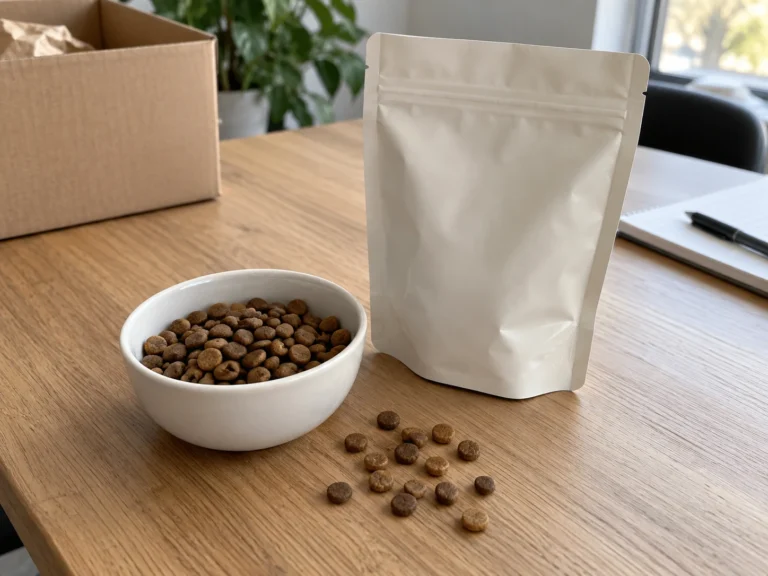
Adult Cat Dry Food OEM & Private Label
An adult-cat dry food development direction for brand owners and importers, with project-specific formula, kibble, flavour and packaging choices.
Explore this direction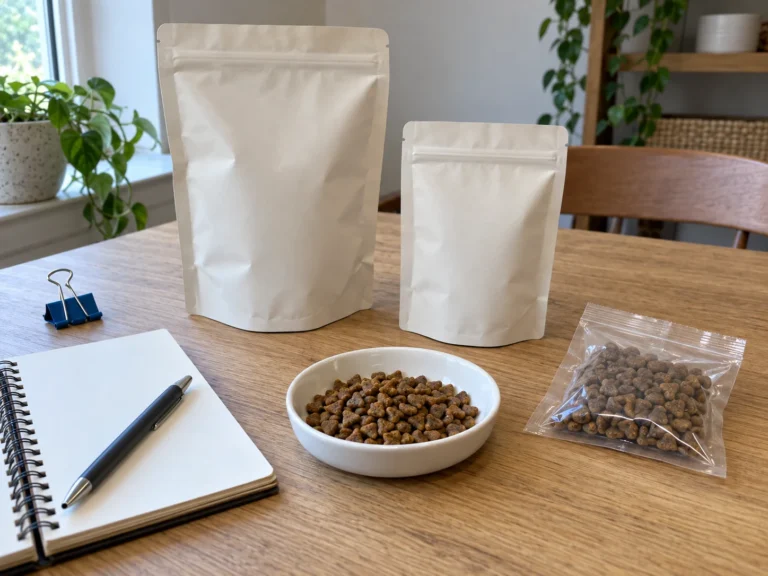
Kitten Dry Food OEM & Private Label
A kitten dry food development direction for brands planning a growth-stage SKU, with product specification, kibble and packaging reviewed for the project.
Explore this direction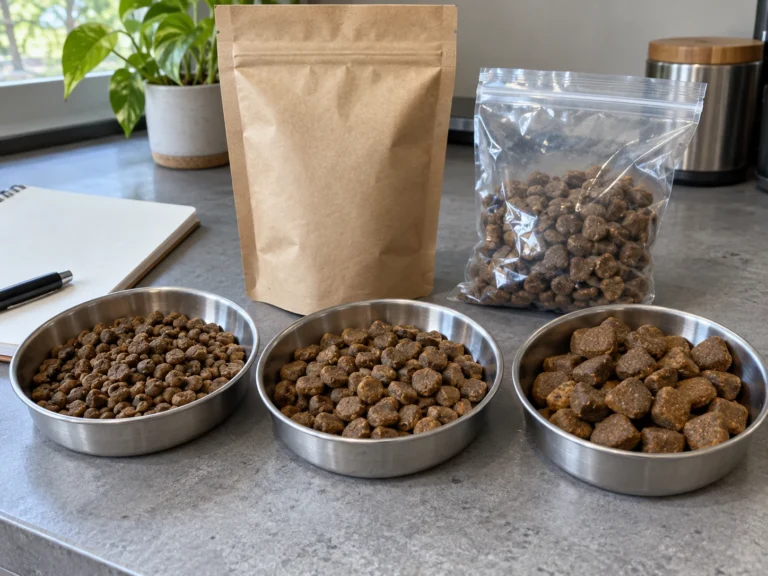
Adult Dog Dry Food OEM & Private Label
An adult dog dry food development direction for brands choosing breed-size kibble, flavour, positioning and packaging for a defined sales channel.
Explore this direction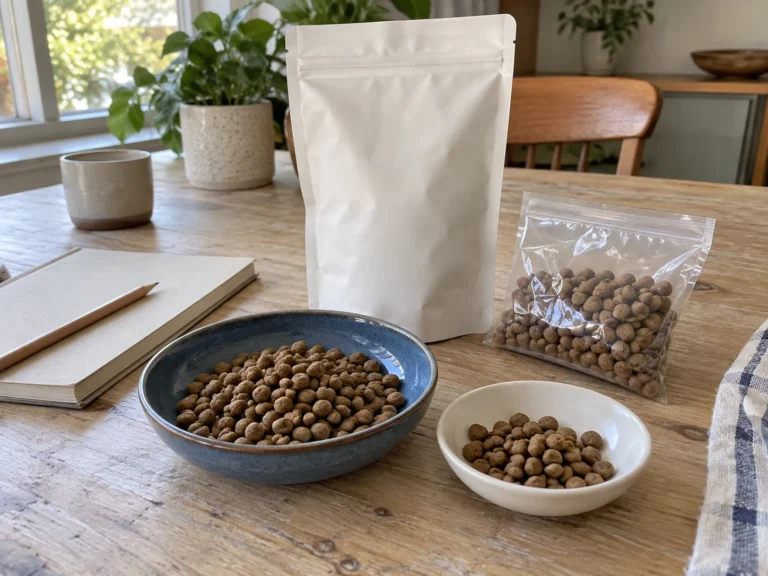
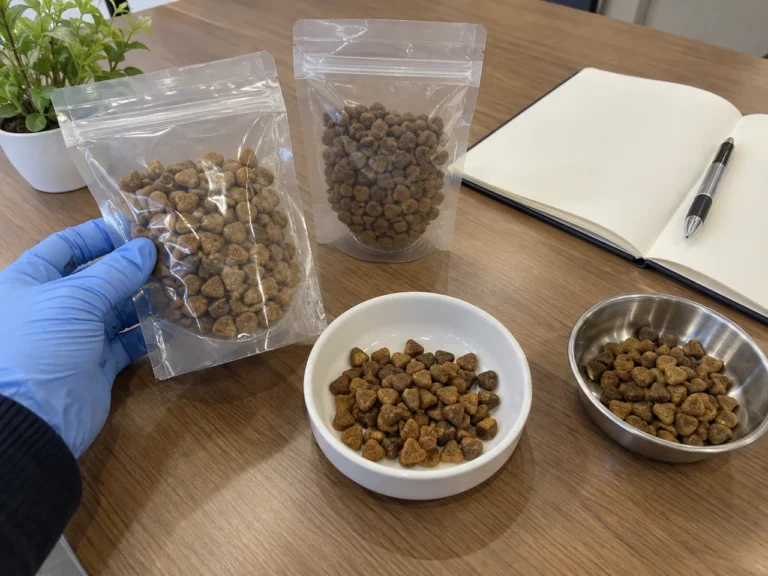
Puppy Dry Food OEM & Private Label
A puppy dry food development direction with life-stage, expected breed size, sample review and packaging defined for your private-label project.
Explore this directionRelated formula directions
Adult Cat Dry Food Formula
A qualitative adult-cat formula direction for structuring your development brief.
Explore this directionKitten Dry Food Formula
A qualitative kitten formula reference for preparing a distinct growth-stage product brief.
Explore this directionAdult Dog Dry Food Formula
A qualitative adult dog formula reference for discussing the product brief, ingredient preferences, sample requirements and final specification.
Explore this directionPuppy Dry Food Formula
A qualitative puppy formula reference for discussing the product brief, ingredient preferences, sample requirements and final specification.
Explore this directionContinue planning your project
Pet Food Label Artwork Support
Prepare pet food label artwork with clear product inputs, panel planning, file checks and version approvals. Discuss your OEM packaging project with ZoePetSup.
Explore this direction
Pet Food Export Document Planning
Plan pet food export documents around the destination, selected product and importer requirements. Coordinate records, responsibilities and shipment handoff.
Explore this directionStart with your requirements
Tell Arlo about your markets and label languages
Share the products, destinations, required languages, pack sizes, artwork versions and quantities. Explain who will provide and approve the source wording and translations, and which questions remain open.
Your contact at ZoePetSup
Hi, I’m Arlo.
Tell me which pet food project you are planning and what you need to confirm first. A rough brief helps us identify the next questions together.
- Destination market and sales channel
- Life stage, product and flavour direction
- Pack sizes and quantity per SKU
- Artwork status and target launch window