Soft chews OEM · private label development
Custom Pet Soft Chew Development
Develop a pet soft-chew range with a clear species, product direction, physical format and packaging brief.
ZoePetSup works on pet soft-chew OEM and private-label projects. Start with the customer need and intended market, then discuss the formula, sample, pack and order requirements that turn your concept into a defined product.
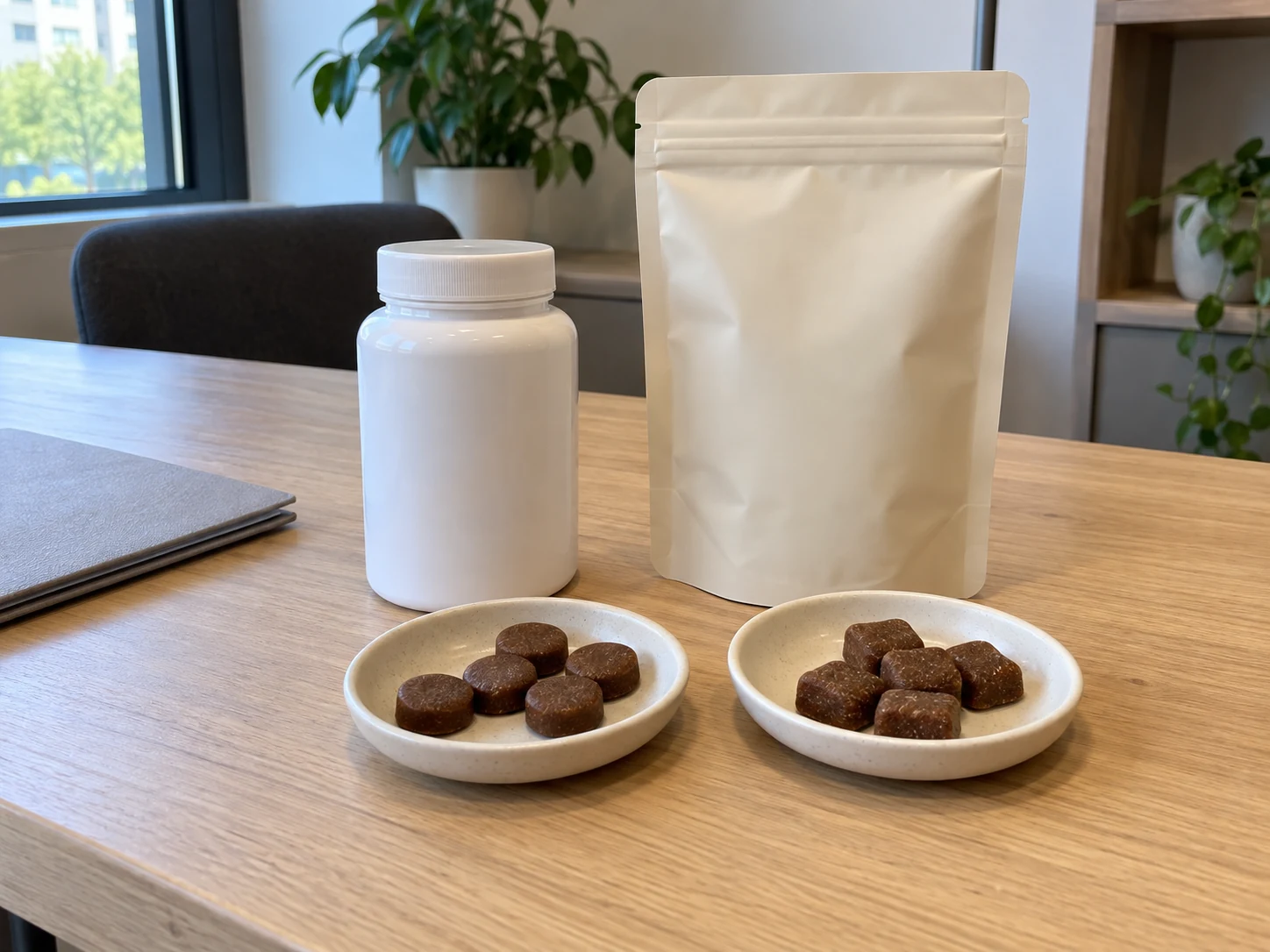
Connect the species, formula, piece and pack requirements.
Your soft-chew development decisions
Build a custom soft-chew brief
Plan your OEM project
Define the species and range position
Choose the intended pets and product direction before selecting ingredients or a piece format.
A cat product and a dog product need their own formula, serving and physical-format discussion. Identify the intended species and any life-stage or animal-size context that matters for your range. Do not treat a similar-looking chew as the same finished product for every pet.
Available project directions include joint, digestive, skin and coat, multivitamin, calming and other soft-chew range concepts. The selected formula and proposed market wording are reviewed for the actual species and destination.
Explain where the range will be sold and what your customer expects from it. A focused first product brief makes the sample and pack discussion more useful than an undifferentiated list of every possible range position.
Plan your OEM project
Separate the choices in a custom project
Identify what you already know and what you want to develop.
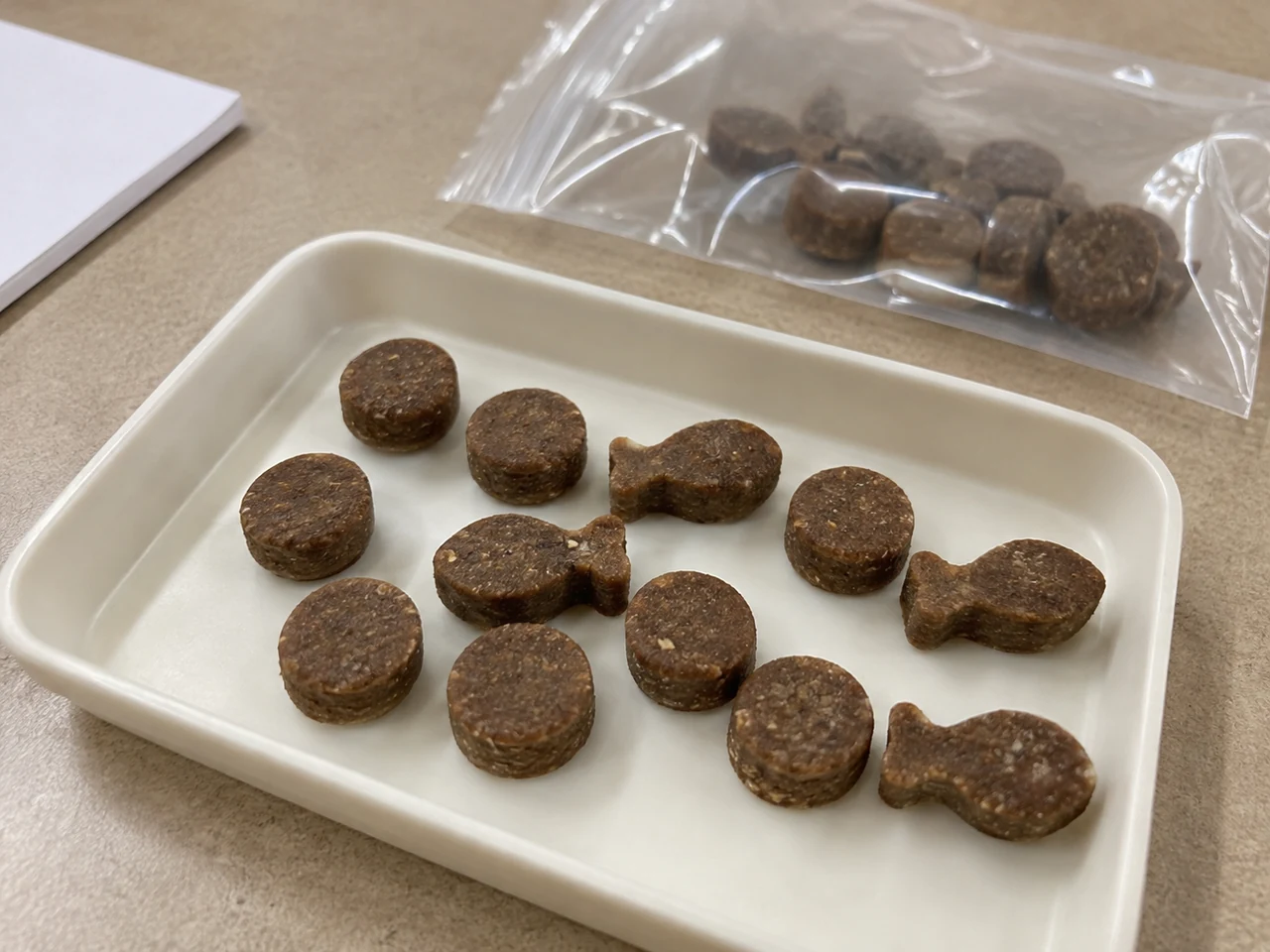
Reference format directions include 0.5–3.5 g pieces and heart, bone, paw, fish, round or square shapes. These describe reference possibilities, not a ready specification for every formula or species. Confirm the selected combination through the project and sample review.
If you have a benchmark, describe the characteristics you want to discuss rather than assuming it can be copied. An existing reference and a newly proposed formula may require different feasibility, sample and commercial discussions.
| Project choice | Include in the brief | Review together |
|---|---|---|
| Formula direction | Species, intended use, ingredient priorities and restrictions. | Feasibility, proposed serving and needed product information. |
| Physical format | Preferred shape, piece weight and texture. | The sample characteristics and pack fit. |
| Flavour direction | Your intended preference and any restrictions. | Suitability for the selected species and formula. |
| Pack and label | Bottle or pouch, count or net weight and market versions. | Container fit, label content and approval references. |
| Order mix | Products, versions and quantity per combination. | Applicable product and packaging minimums. |
Plan your OEM project
Review the formula and intended wording together
Make ingredient priorities, serving and proposed selling points part of one product discussion.
A range name such as joint or digestive support is a starting position for development. It does not establish a clinical outcome or mean that any ingredient combination is suitable for every animal and market. Keep the final product and wording review specific to the project.
Ingredient brief
Provide the ingredient names or requirements, relevant specifications and anything you want excluded. Explain the reason for a priority where it affects the product concept.
Serving and piece format
Discuss the proposed daily use alongside the formula and piece weight. A larger or smaller shape does not by itself establish an appropriate serving.
Market wording
Submit the intended label and selling points for review. The product information and supporting basis need to match the selected formula and destination.
DEFINE THE REQUIREMENTS THAT MATTER
Review formula and physical format together.
Explain the intended use, ingredient priorities and sample questions.
Plan your OEM project
Build the private-label pack around the product
Select the pack, fill and reviewed label content as a connected product specification.
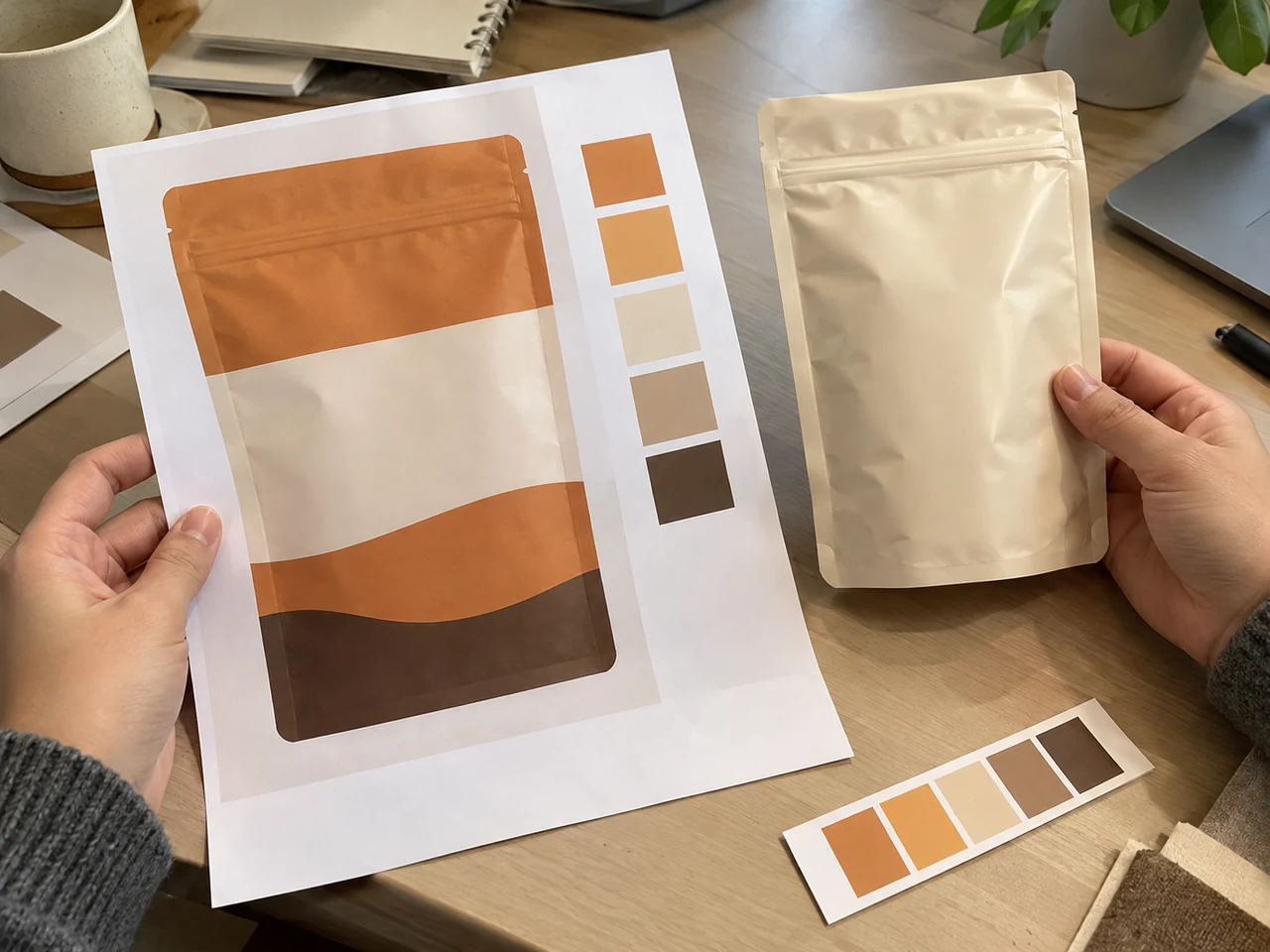
Bottle, stand-up pouch and private-label sticker directions are available for discussion. State the intended count or net weight, sales channel, label area and any opening or closure preferences that matter to your customer.
Check the chosen piece format against the proposed pack. The physical sample and pack review should resolve fit, presentation and handling questions rather than relying on a photograph to define the commercial product.
Provide the product details, proposed directions for use, language versions and design files needed for the label. Agree the correct template and approval reference before the final artwork is connected to the order.
Plan your OEM project
Give each sample round a clear purpose
Define what the sample needs to answer and record your feedback against the selected reference.
Agree the sample scope, costs, timing and any proposed evaluation arrangements for the selected product. No fixed number of rounds or automatic acceptance is assumed. When requesting a revision, identify the sample and separate formula, physical and packaging changes.
A sample photograph can help explain a request, while the finished specification, relevant records and agreed acceptance basis connect that request to the actual product.
| Review question | What to identify | Useful feedback |
|---|---|---|
| Physical appearance | Sample reference, shape, colour and piece format. | What is accepted and what you want changed. |
| Texture and handling | The practical characteristics important to the range. | Specific observations and the intended use context. |
| Formula information | The product information and serving questions under discussion. | The details your reviewer needs before approval. |
| Packaging fit | The selected container and proposed fill. | Fit, presentation and label questions to resolve. |
Plan your OEM project
Turn the concept into a quotable project
Bring product, pack and quantity decisions into one current scope.
Product and packaging minimums are quoted separately for the selected project. Provide the quantity per formula, pack and label version rather than only a combined range total. Ask which requirements remain open before relying on a final quotation or production arrangement.
Define the product
Name the species, market, direction and formula priorities.
Review the sample
Agree the physical format and questions needed for approval.
Confirm the pack
Link the chosen container, fill and reviewed label version.
Discuss the order
Provide quantities per product and pack for the commercial review.
READY FOR THE NEXT STEP?
Connect the approved product to the order.
Confirm the sample, specification, pack and quantity references.
Plan your OEM project
Custom pet soft-chew questions
Start with a defined species, market and product concept.
01Can we discuss both existing and custom formula directions?
Yes. Identify the reference or proposed concept, intended species and market. Formula, serving, physical format and wording are reviewed for the selected project.
02Can the same chew be used for cats and dogs?
Treat the species as separate product-review inputs. Confirm the selected formula, serving and physical format for the intended animals rather than assuming one reference applies to both.
03Which shapes and piece weights can we discuss?
Reference directions include 0.5–3.5 g pieces with heart, bone, paw, fish, round and square shapes. Confirm the actual formula, shape, weight and sample requirements together.
04Which packaging directions are available?
Bottles, stand-up pouches and private-label stickers are directions for discussion. The selected pack, fill and label requirements need confirmation for the product.
05Is the reference minimum the same for every project?
No. Product and packaging minimums are quoted separately for the selected formula, piece, pack and quantity mix. Send the actual project brief for review.
06What should we send first?
Provide the species, destination, product direction, ingredient priorities, desired physical format, packaging and quantity. A benchmark or current formula reference can help explain the questions you want to resolve.
Continue planning your project
Soft Chew Ingredient Planning
Prepare a soft-chew ingredient brief with species, material specifications, formula priorities and market needs. Discuss the selected product with ZoePetSup.
Explore this direction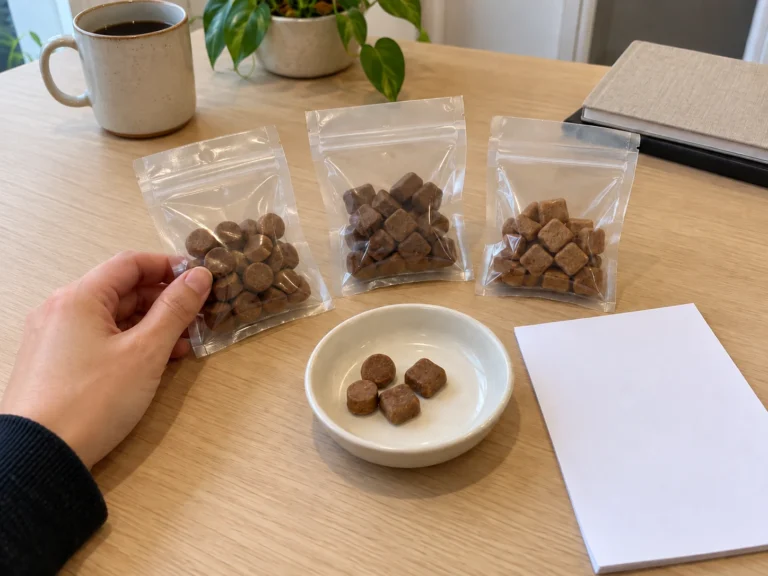
Soft Chew Sample Development
Prepare soft-chew samples with clear product questions, review references and revision feedback. Connect the selected sample, specification and pack.
Explore this directionStart with your requirements
Tell Arlo about your soft-chew range
Share the species, destination, product direction, ingredient priorities, desired piece format and packaging. Include your proposed serving, count per pack and quantity, or tell us which choices you need help reviewing.
Your contact at ZoePetSup
Hi, I’m Arlo.
Tell me which pet food project you are planning and what you need to confirm first. A rough brief helps us identify the next questions together.
- Destination market and sales channel
- Life stage, product and flavour direction
- Pack sizes and quantity per SKU
- Artwork status and target launch window