Pet soft chews · sample and approval workflow
Soft Chew Sample Development
Give each soft-chew sample a clear purpose, a named reference and specific feedback that can guide the next product decision.
Prepare a sample brief with ZoePetSup around the selected species, formula direction, physical format and pack. Agree what needs to be assessed and how the accepted reference will connect to the finished specification and order.
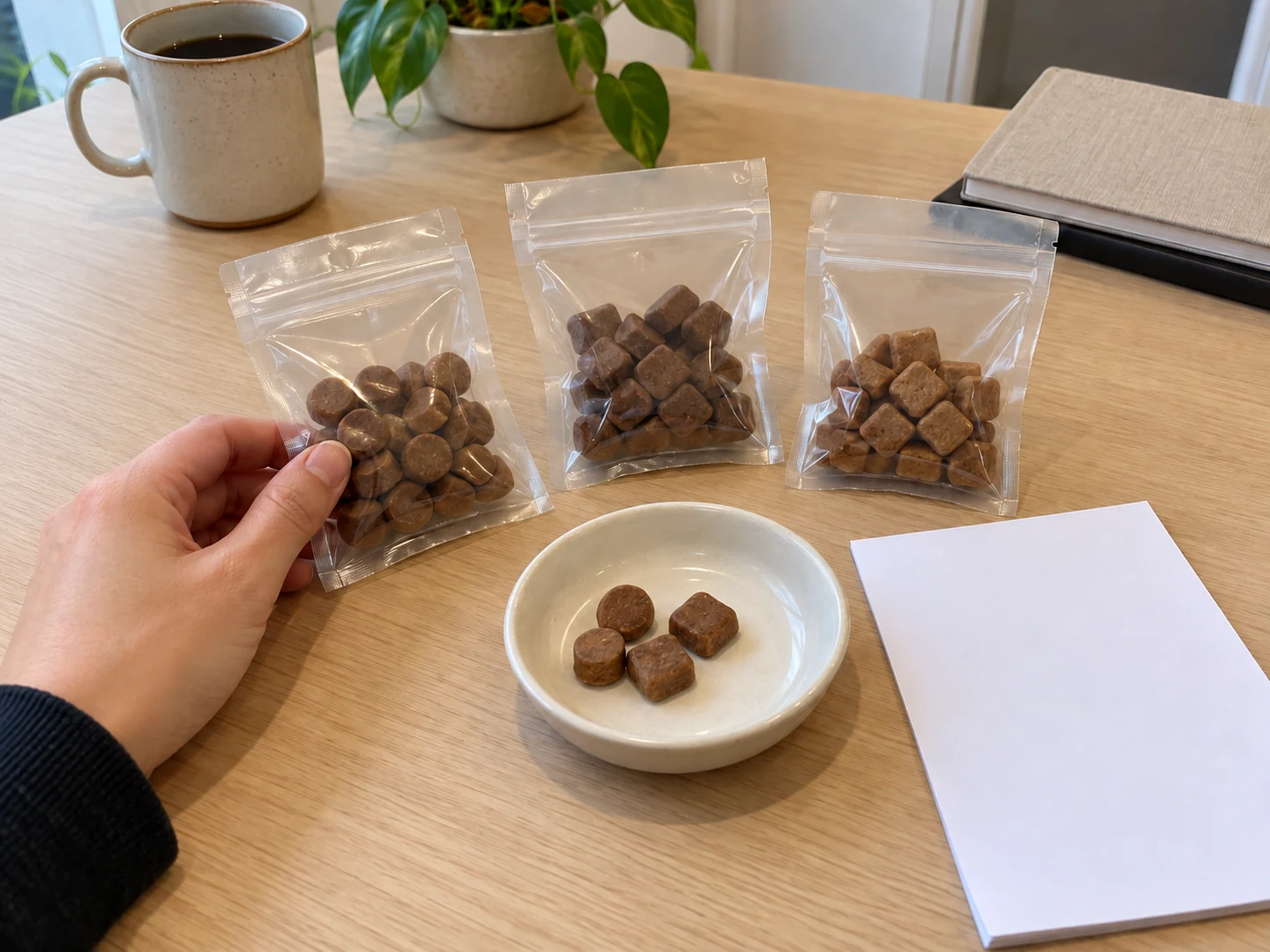
Identify the reference, review questions and next step.
Your soft-chew sample decisions
Prepare a focused sample review
Plan your OEM project
Prepare the brief before requesting samples
Identify the product concept and the decisions the sample is intended to support.
State the intended species and market, selected range direction, formula or ingredient priorities and physical preferences. If you have an existing product reference, identify it and explain the features you want to discuss.
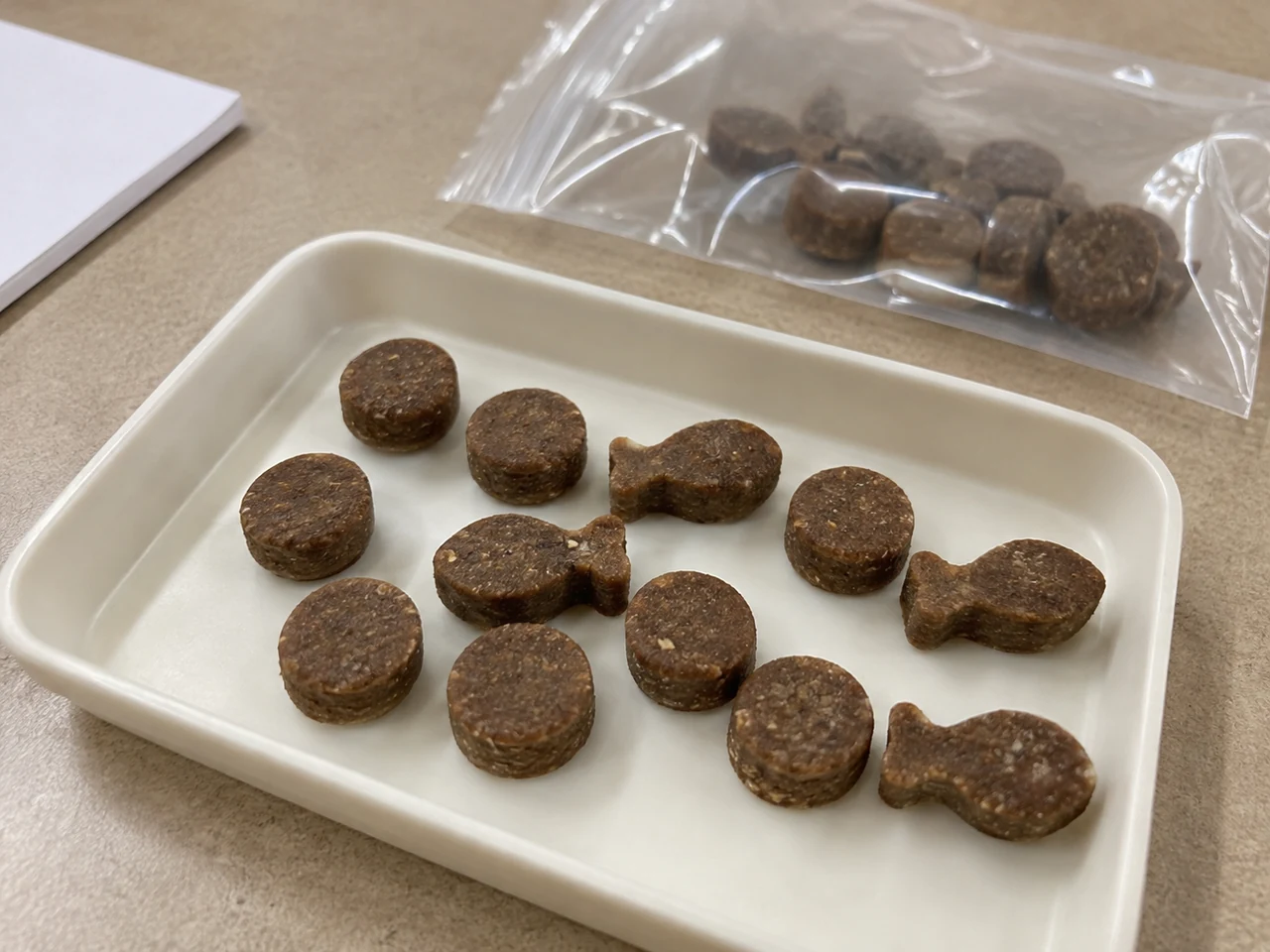
List the questions that must be resolved: appearance, shape, piece weight, texture, formula information, packaging fit or another defined requirement. A request for a good sample leaves these decisions too open to guide the review.
Explain what information your product, quality and packaging reviewers need. The sample brief should connect their questions rather than allowing each reviewer to assess an unidentified or different version.
Plan your OEM project
Decide what each part of the review can establish
Match the review activity with the question and evidence it needs.
A visual or handling review does not establish every formula, use or market requirement. Identify the separate product information and any proposed evaluation arrangements needed for those decisions.
Agree the sample scope before treating a reference as approval of the finished order. Keep the purpose of each review clear enough that the next decision follows from the evidence actually available.
| Review area | Define the question | Record the outcome |
|---|---|---|
| Appearance and shape | Which physical features need assessment or comparison? | Sample reference, observations and accepted characteristics. |
| Texture and handling | Which practical characteristics matter to the intended product? | Specific findings and requested changes. |
| Formula and use information | What does the product reviewer need to assess? | The selected formula reference and unresolved information requests. |
| Proposed evaluation | Are additional use or palatability questions part of the project? | Agreed arrangements, responsibilities and the relevant findings. |
| Pack fit | How should the selected pieces fit the proposed container and fill? | The product/pack combination and remaining questions. |
Plan your OEM project
Agree a practical review plan
Give the sample a shared identity and the feedback a clear route.
If palatability or another use evaluation is important to your range, describe the proposed approach and information requirements for review. A development photograph or an informal impression should not be presented as a completed evaluation result.
Reference and reviewers
Identify the sample and who reviews physical format, formula information and packaging. Keep comments connected to the same product version.
Conditions and arrangements
Discuss how samples are handled, which comparisons are intended and any additional evaluation requirements. Confirm costs, timing and responsibilities for the agreed scope.
Decision record
Separate accepted features, requested changes and open questions. Name the person who consolidates feedback and confirms the next decision.
DEFINE THE REQUIREMENTS THAT MATTER
Keep feedback connected to the sample.
State accepted features, separate changes and unresolved questions.
Plan your OEM project
Make revision feedback specific
Tell the next sample what to keep, what to change and what still needs an answer.
Consolidate comments from the relevant reviewers before sending a revision request. If two comments conflict, state the priority or ask for the options to be reviewed rather than leaving the supplier to guess.
There is no fixed number of sample rounds assumed for every project. The next step, sample arrangements and timing are confirmed against the current request and the questions still open.
| Feedback element | Useful content | Purpose |
|---|---|---|
| Sample identity | Product and sample reference under review. | Keep the baseline clear. |
| Accepted features | The characteristics the team wants to retain. | Avoid reopening settled preferences unintentionally. |
| Requested revision | Separate formula, shape, weight, texture, flavour and pack requests. | Review the effect of each proposed change. |
| Open questions | Missing product information or a decision still pending. | Identify the next input and responsible reviewer. |
Plan your OEM project
Review the selected sample with its pack
Connect the physical reference to the proposed container, fill and label information.
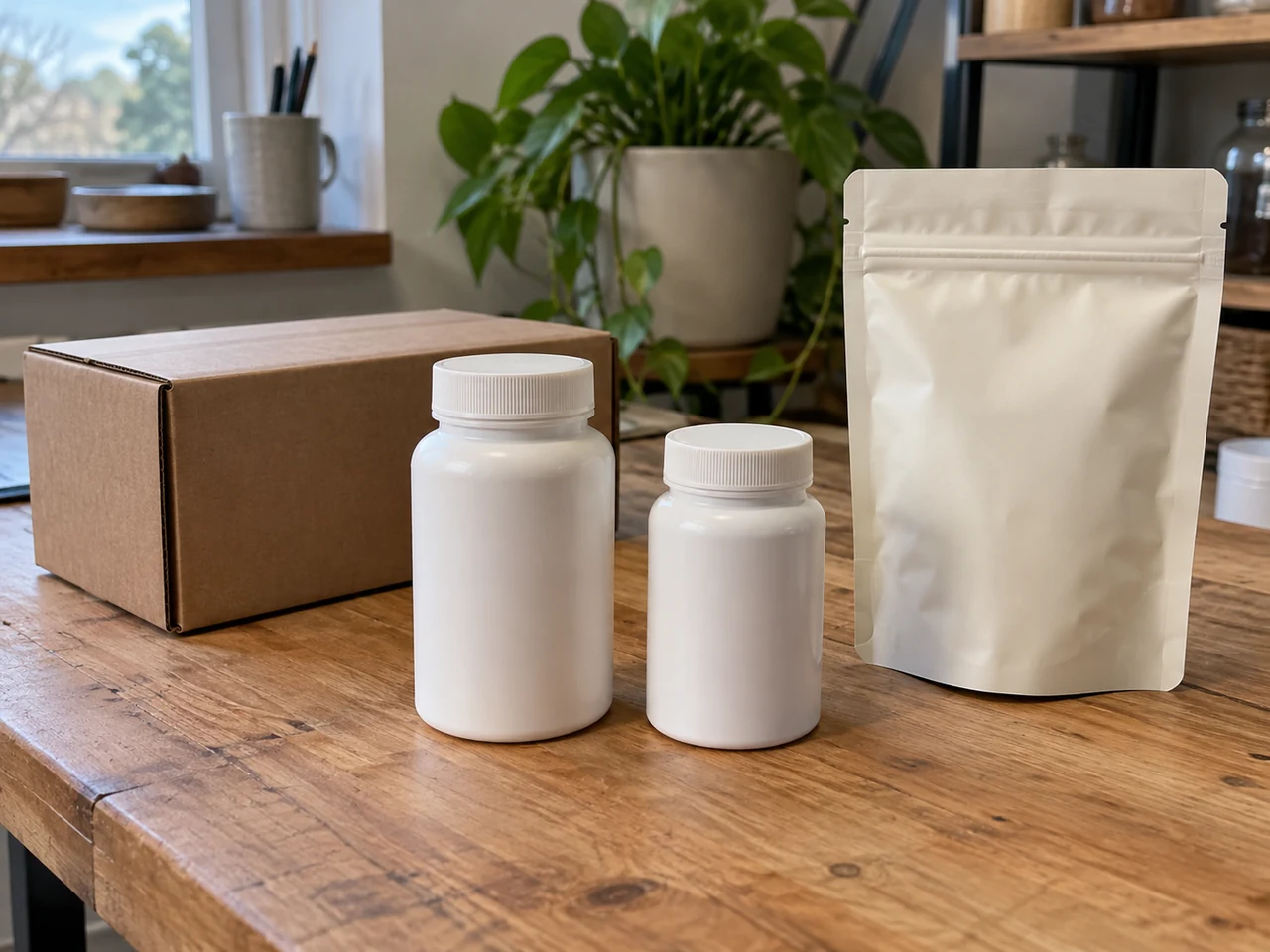
Review the selected piece format with the intended bottle or pouch and count or net weight. Identify any fit, presentation, opening or handling questions that should be resolved before the pack is approved.
Confirm which product and serving information is used for the proposed label. The physical sample, formula reference, product details and artwork should describe the same selected version.
When a sample is accepted, record what that acceptance covers and any remaining conditions. Agree the finished specification, relevant records and packaging references needed to move from development to an order.
Plan your OEM project
Confirm the next step after the review
Use the accepted reference to define the product and commercial discussion.
Include your intended order mix when discussing samples, even if quantities are estimates. Product and packaging minimums are reviewed separately for the actual formula and pack, while sample arrangements are confirmed for the development work requested.
Define the review
Send the species, formula direction and specific sample questions.
Agree arrangements
Confirm the sample scope, information needs, cost and timing.
Review and revise
Record acceptance, changes and unresolved questions by reference.
Connect the order
Link the selected sample, specification and pack to quantities.
READY FOR THE NEXT STEP?
Connect the selected sample to the order.
Confirm the specification, product information and packaging references.
Plan your OEM project
Soft-chew sample development questions
A focused brief and referenced feedback make the next development decision clearer.
01What should a sample request include?
Send the species, destination, formula or product direction, physical preferences, packaging and the specific questions to resolve. Include a benchmark or current reference where useful.
02Are samples automatically free?
Sample scope, costs, timing and shipping arrangements need confirmation for the selected project. Describe the requested work so the arrangements can be reviewed.
03How many sample rounds are included?
No fixed number is assumed for every formula and format. Agree the development scope and review the next step against the feedback and open questions.
04Does approving appearance approve the complete formula?
State what the review covers. Physical appearance, formula information, proposed use, packaging and market wording may require separate decisions connected to the same product.
05How should we request a revision?
Identify the sample, accepted characteristics, separate change requests and remaining questions. Consolidate reviewer comments and state the priority if requests conflict.
06What happens after a sample is selected?
Confirm the finished specification, relevant product information, pack and artwork references, then review quantities and current order arrangements.
Continue planning your project
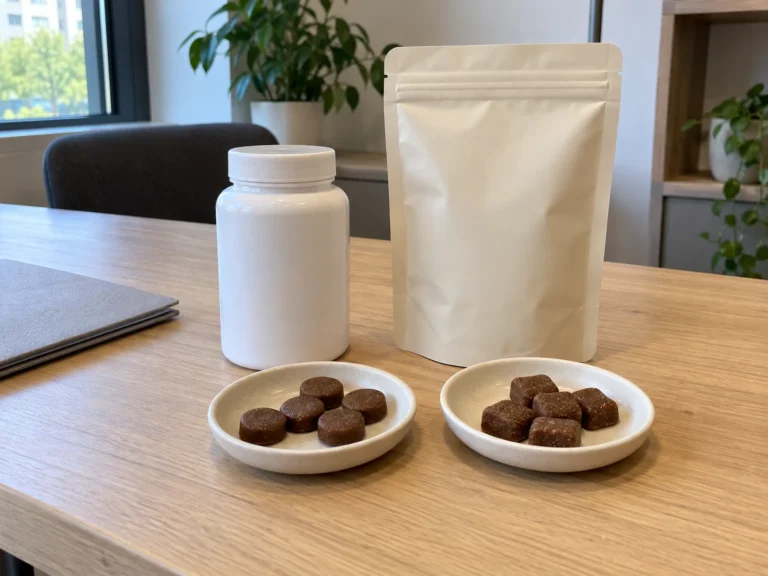
Custom Pet Soft Chew Development
Plan custom pet soft chews by species, formula direction, shape, sample and packaging. Build a clear OEM or private label project brief with ZoePetSup.
Explore this direction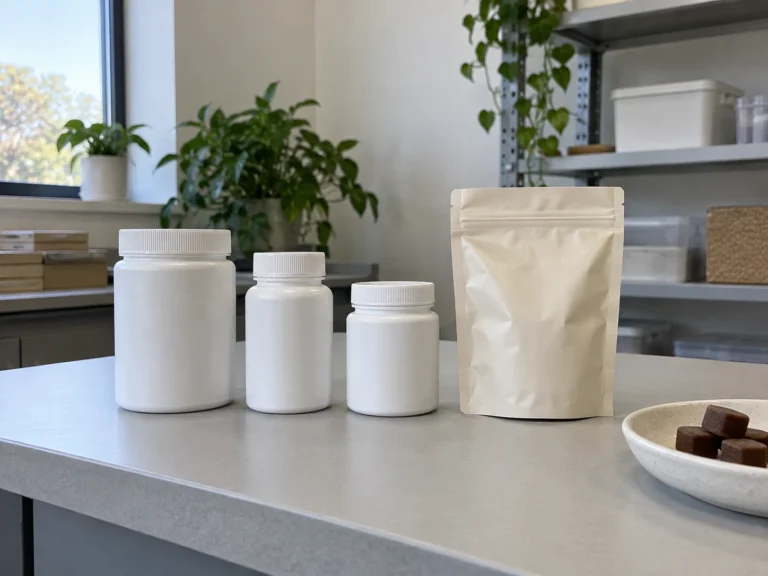
Soft Chew Stability and Packaging Planning
Plan soft-chew stability questions around the selected formula, pack and storage conditions. Review evidence needs before confirming product information.
Explore this directionStart with your requirements
Tell Arlo what your soft-chew sample needs to answer
Share the species, target market, product or formula direction, physical preferences and packaging. Identify the sample questions, benchmark, reviewer requirements and planned quantities so sample scope, cost and timing can be discussed.
Your contact at ZoePetSup
Hi, I’m Arlo.
Tell me which pet food project you are planning and what you need to confirm first. A rough brief helps us identify the next questions together.
- Destination market and sales channel
- Life stage, product and flavour direction
- Pack sizes and quantity per SKU
- Artwork status and target launch window