DRY CAT & DOG FOOD · OEM SAMPLE DEVELOPMENT
OEM Pet Food Sample Development
Request samples with a clear purpose, compare the agreed attributes and turn your feedback into a product decision your team can approve.
Planning dry cat or dog food for your brand? Start with the SKU you want to develop and the questions a sample needs to answer. ZoePetSup can discuss a sample plan that connects your product brief, review criteria, packaging decisions and first-order requirements.
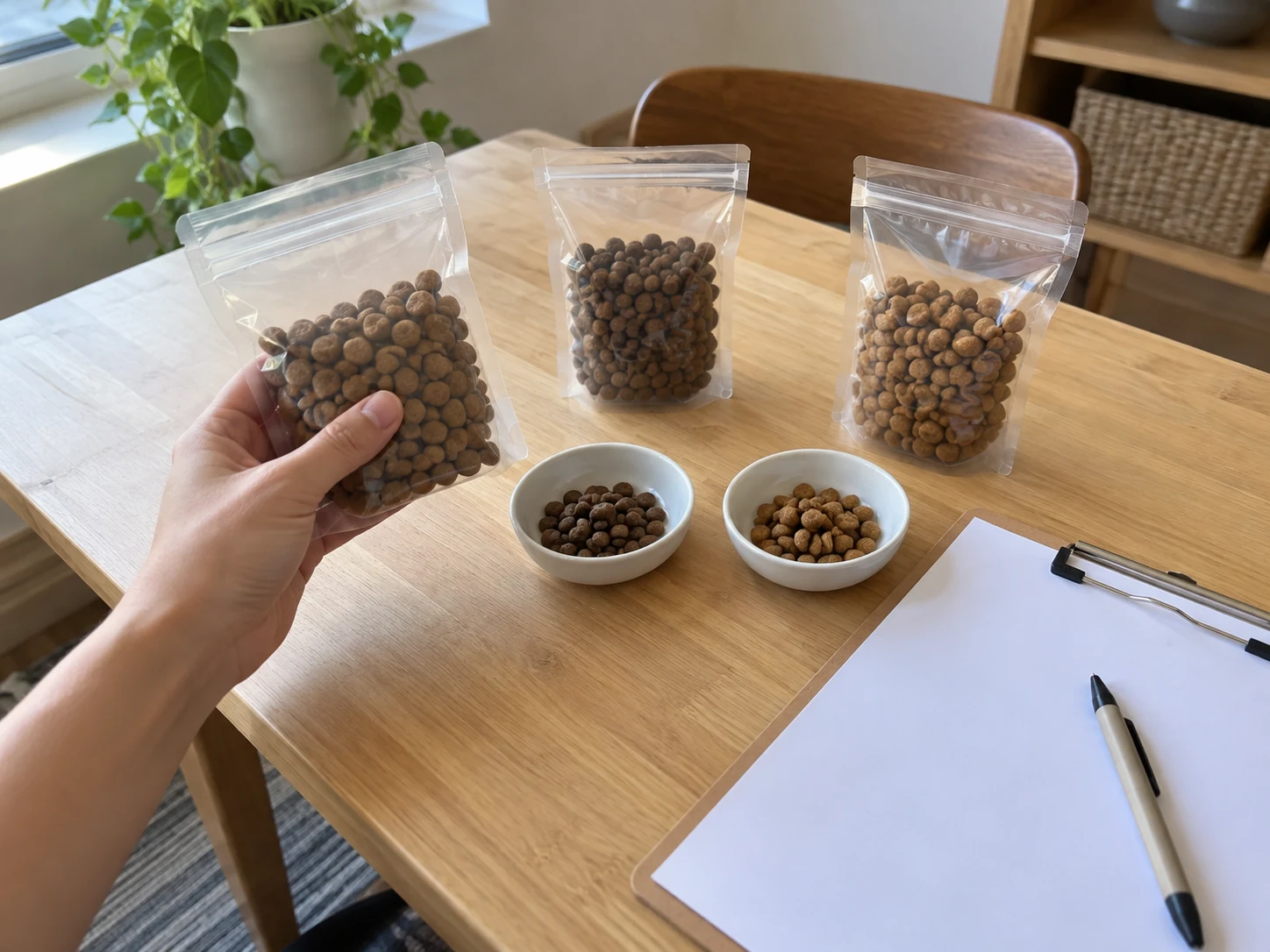
Keep each reviewed sample connected to your product brief.
From request to approval
Plan a sample review that moves the project forward
ASK THE SAMPLE TO ANSWER SOMETHING
Prepare a useful sample request
Describe the intended SKU and the decisions you need to make, rather than asking for an unspecified selection of pet food.
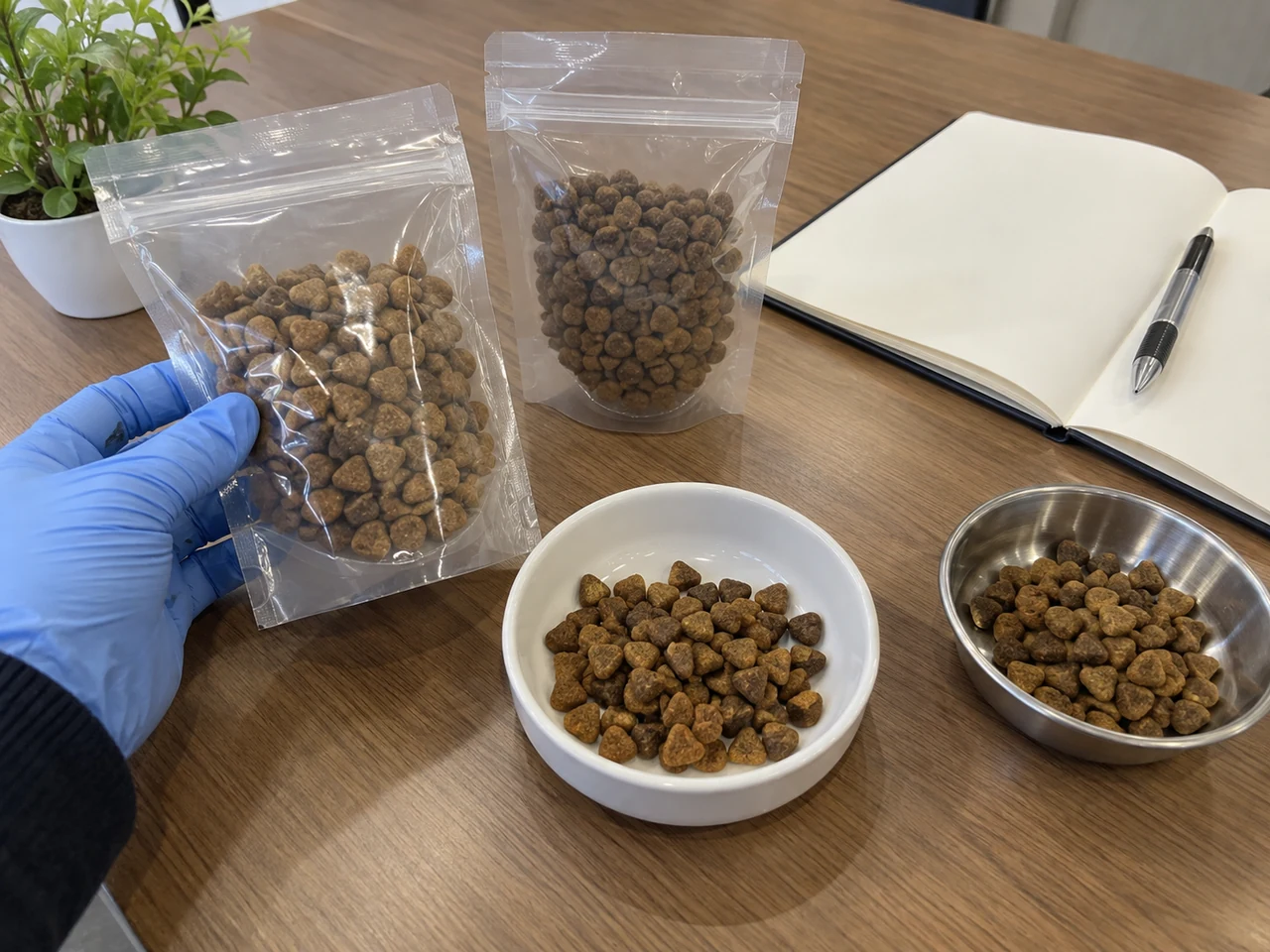
Send the destination country, cat or dog life stage, sales channel and proposed product positioning. Add the flavour direction, ingredient priorities, kibble preferences and pack plan. If you already have a specification or reference product, explain the particular attributes you want to discuss.
Separate essential requirements from preferences. For example, a brief might identify an adult-cat retail SKU and ask to compare two kibble shapes while keeping the agreed flavour direction unchanged. This makes the sample discussion focused. Any proposed ingredient exclusion, nutrient target or label statement should be reviewed separately for feasibility and the support it needs.
CONFIRM THE SCOPE BEFORE DISPATCH
Agree the sample arrangement
Confirm what will be supplied, what it is intended to demonstrate and how charges, timing and delivery will be handled.
Sample cost and lead time depend on the agreed request. Ask for the arrangement against your brief before sample work or shipping is confirmed. A development sample and a packaging mock-up answer different questions; identify which you need and what remains outside that review.
| Item to confirm | Information to provide | Decision to record |
|---|---|---|
| Sample purpose | Product attributes or packaging questions to resolve | The sample type and the intended review scope |
| Versions and quantity | Which variants your team needs to compare | The agreed sample set and version identification |
| Charges | Development needs and dispatch destination | Sample charges, shipping charges and payment arrangements |
| Timing | Your review window and target launch date | Preparation and dispatch estimates with their assumptions |
| Delivery | Recipient, delivery location and import requirements to check | The agreed shipment arrangement and responsible contact |
AGREE THE SAMPLE SCOPE
Tell us which decisions the sample should answer.
A focused request makes the sample set, review criteria and dispatch arrangement easier to agree.
COMPARE THE AGREED ATTRIBUTES
Compare samples against the same brief
Identify each version and use the same review criteria so your team can explain what should be accepted or changed.
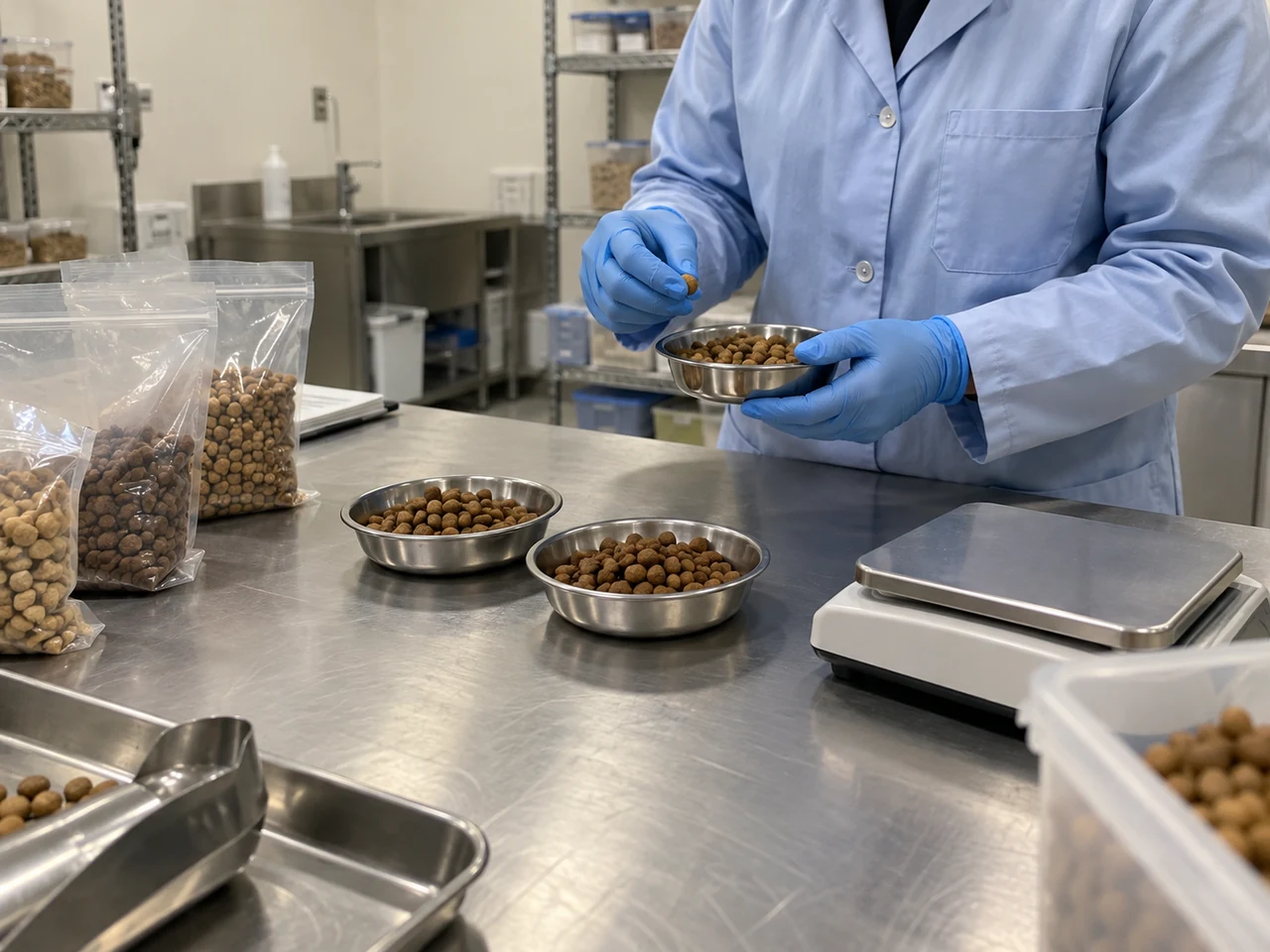
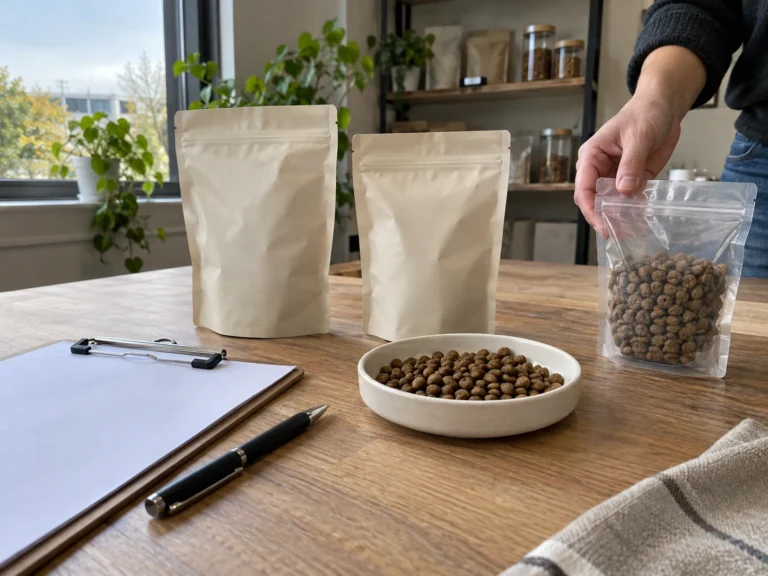
Record the sample reference, review date and the agreed attributes: appearance, kibble size and shape, odour, handling and any other points in the brief. Use comparable conditions for the observations. Keep a photograph or note beside the relevant sample reference so feedback does not become detached from the version your team reviewed.
Keep sensory observations separate from analytical results and proposed label claims. Product testing, any feeding evaluation and the final nutrient specification require an agreed scope. ZoePetSup's quality workflow includes finished-product testing, retained samples and batch traceability; confirm which records and test items apply to the proposed order. A sample photograph cannot replace those records.
MAKE THE NEXT REVISION CLEARER
Make revision feedback specific
State which sample you reviewed, which attribute should change, why it matters and what should stay the same.
Ask your reviewers to consolidate their comments before sending the next brief. A ranked change list makes trade-offs easier to discuss than conflicting messages from different teams. The examples below show a feedback format; the final change still needs feasibility and sample review.
| Feedback topic | Useful information to send | What to keep clear |
|---|---|---|
| Kibble | Identify the sample and the size or shape difference you want to discuss | Whether the flavour direction and other attributes should remain unchanged |
| Appearance or handling | Describe the observed attribute and attach a relevant photograph | The sample reference and the conditions of the observation |
| Ingredient priorities | List the requested change and the commercial reason for it | Which requirements are essential and which are flexible |
| Several reviewers | Provide one agreed list with priorities and open questions | Who can approve the next version on your side |
CLOSE THE GAP BETWEEN SAMPLE AND ORDER
Connect sample approval to the order
Record the accepted version and connect it to the final specification, packaging and commercial approvals before production is planned.
Sample approval should say what your team has accepted and which decisions are still open. Keep product, quality and artwork records aligned. Review further product or packaging changes before assuming the previous approval still applies.
Identify the accepted sample
Record the sample version, acceptance date, reviewer and agreed attributes. Keep unresolved questions visible so a partial approval is not mistaken for a complete order release.
Confirm the product specification
Agree the final ingredient and nutrient specification, relevant test requirements and the records needed for the proposed product. Link the accepted sample to that specification version.
Approve the matching pack
Confirm the pack format, artwork version, label language and proposed statements for the intended market. Check that the approved artwork describes the product you have agreed.
Set the order requirements
Confirm quantity per SKU, product and packaging MOQ, commercial terms, destination and production timing. Keep these order decisions with the accepted product and pack records.
READY FOR THE NEXT STEP?
Turn sample approval into a complete handoff.
Keep the accepted version, final specification, artwork and order terms together.
BEFORE THE SAMPLE REQUEST
Questions before requesting samples
Bring an initial brief and the decisions you need help with. Sample terms are confirmed for the proposed project.
01Can I request a sample without a complete recipe?
Yes, you can begin the discussion with the destination market, species, life stage, product direction and attributes you want to review. Explain what is already decided and what is still open so the sample scope can be discussed.
02Are samples free, and how long do they take?
Sample charges, shipping costs and preparation time are confirmed against the agreed request. Share your destination and review window, and ask for a written arrangement before work or dispatch is confirmed.
03How many sample revisions are included?
There is no confirmed standard number of revision rounds for every dry-food project. Agree the initial sample scope, how feedback will be handled and any additional work or charges before requesting a revision.
04Can I compare several flavours or kibble sizes?
Describe the variants you want to compare and the decision each comparison should support. Agree a focused sample set and version identification. The feasibility, quantities, costs and timing of the proposed variants need project review.
05Does sample approval confirm the nutrient values or label claims?
The accepted sample must be connected to an agreed product specification and the relevant supporting records. Sensory approval alone does not establish analytical results or support every proposed statement on the label. Confirm those requirements separately.
06Can I confirm packaging at the same time?
You can discuss the packaging plan alongside sample development. Identify whether you need product samples, a packaging mock-up or both. Final artwork should match the agreed product specification, pack format and destination-market requirements.
Explore product directions
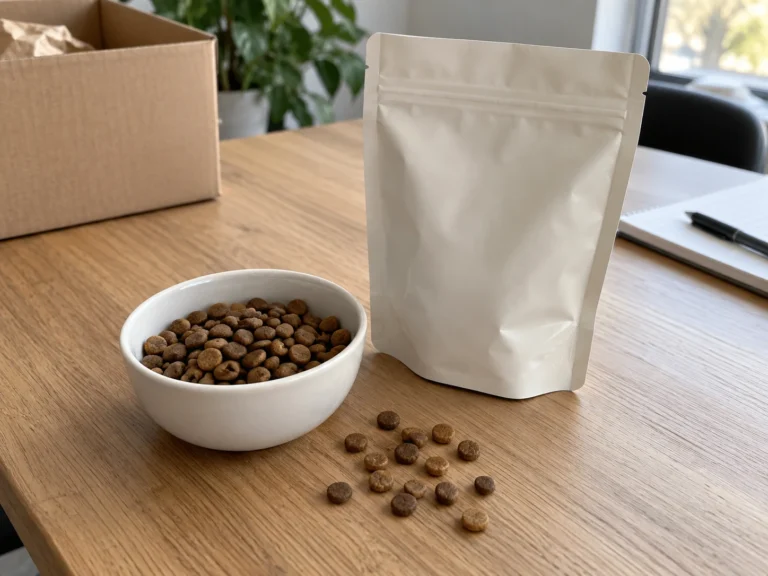
Adult Cat Dry Food OEM & Private Label
An adult-cat dry food development direction for brand owners and importers, with project-specific formula, kibble, flavour and packaging choices.
Explore this direction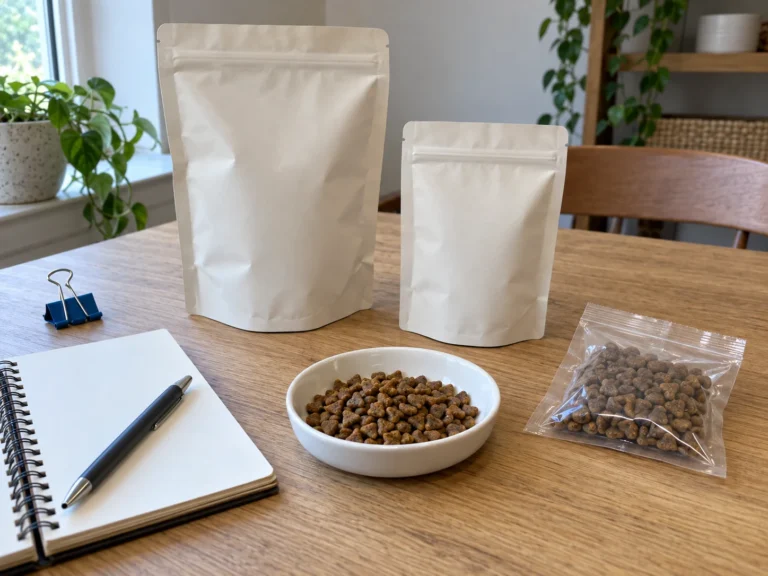
Kitten Dry Food OEM & Private Label
A kitten dry food development direction for brands planning a growth-stage SKU, with product specification, kibble and packaging reviewed for the project.
Explore this direction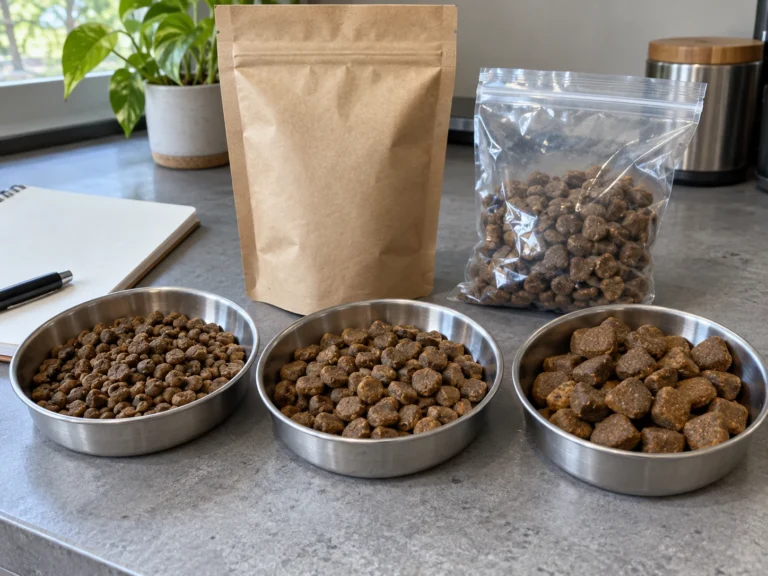
Adult Dog Dry Food OEM & Private Label
An adult dog dry food development direction for brands choosing breed-size kibble, flavour, positioning and packaging for a defined sales channel.
Explore this direction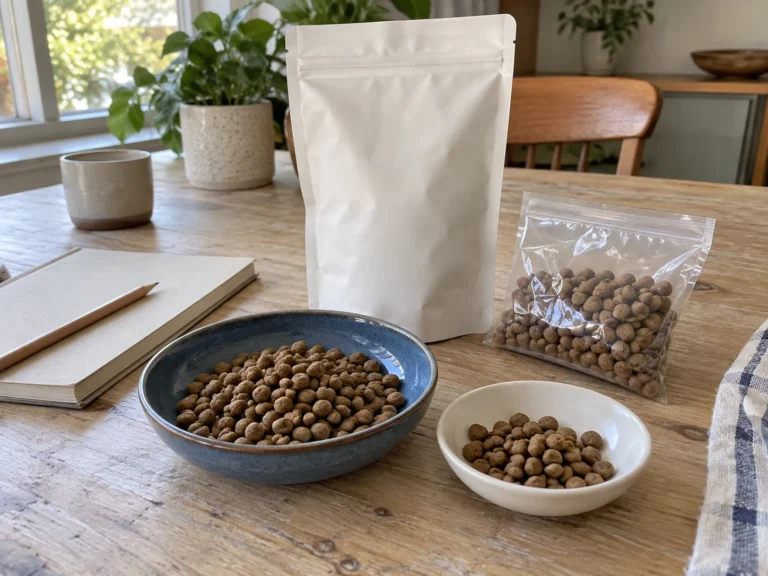
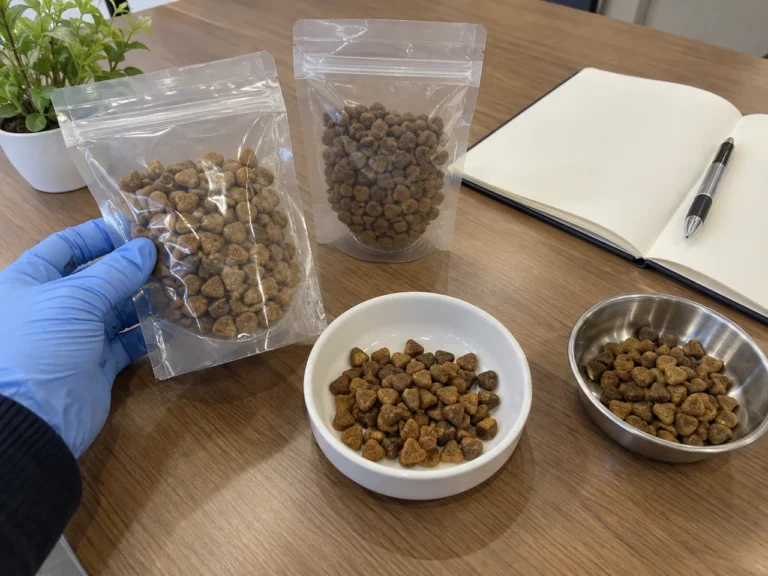
Puppy Dry Food OEM & Private Label
A puppy dry food development direction with life-stage, expected breed size, sample review and packaging defined for your private-label project.
Explore this directionRelated formula directions
Adult Cat Dry Food Formula
A qualitative adult-cat formula direction for structuring your development brief.
Explore this directionKitten Dry Food Formula
A qualitative kitten formula reference for preparing a distinct growth-stage product brief.
Explore this directionAdult Dog Dry Food Formula
A qualitative adult dog formula reference for discussing the product brief, ingredient preferences, sample requirements and final specification.
Explore this directionPuppy Dry Food Formula
A qualitative puppy formula reference for discussing the product brief, ingredient preferences, sample requirements and final specification.
Explore this directionContinue planning your project
Custom Dry Cat Food for Your Brand
Develop a custom dry cat food SKU around your market, life stage, ingredients, kibble and packaging. Discuss samples and your product brief with ZoePetSup.
Explore this direction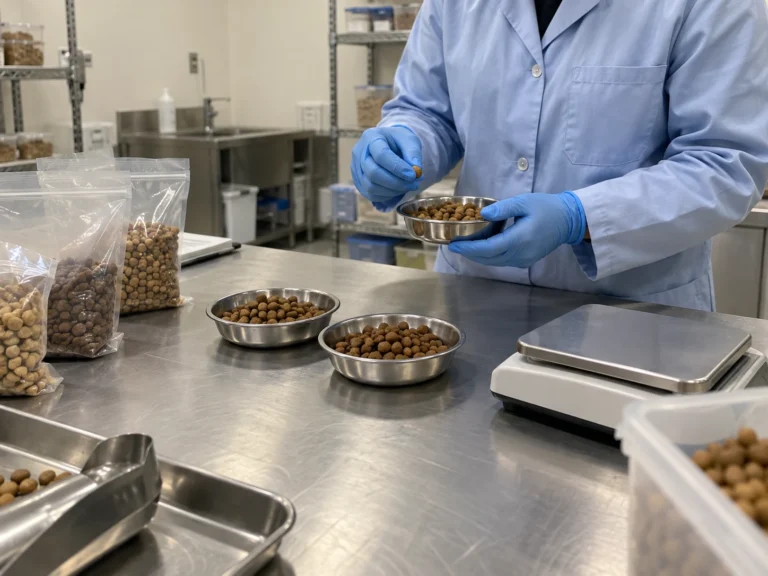
Dry Pet Food Inspection Planning
Plan dry pet food inspection with clear specifications, sample and batch references, requested checks and release responsibilities for your OEM order.
Explore this directionPlan your product range
Choose the product direction before comparing samples
Link each sample to its intended positioning and an agreed evaluation checklist. A useful benchmark records the product specification, pack and acceptance questions.
Indoor Cat Food OEM & Private Label
Position an indoor-cat range around the channel, kibble sample and packaging brief.
Review this brief →Sensitive Stomach Cat Food OEM
Review ingredients, traceability and sample evaluation for a digestive-support positioning.
Review this brief →Senior Cat Dry Food OEM & Private Label
Plan senior-cat positioning, sample acceptance and a linked formula discussion.
Review this brief →Senior Dog Dry Food OEM & Private Label
Define a senior-dog range by size, sample acceptance and an agreed specification.
Review this brief →Baked Dog Food OEM & Private Label
Compare the baked-food process brief, texture samples, packaging and supply questions.
Review this brief →Start with your requirements
Tell Arlo what your sample needs to resolve
Share your market, species, life stage, intended product and the attributes you want to review. Include the destination for the sample, planned pack sizes and order estimate if known.
Your contact at ZoePetSup
Hi, I’m Arlo.
Tell me which pet food project you are planning and what you need to confirm first. A rough brief helps us identify the next questions together.
- Destination market and sales channel
- Life stage, product and flavour direction
- Pack sizes and quantity per SKU
- Artwork status and target launch window